

Abdul Desnavi Family Tree
Abdul Desnavi - A Lifestory
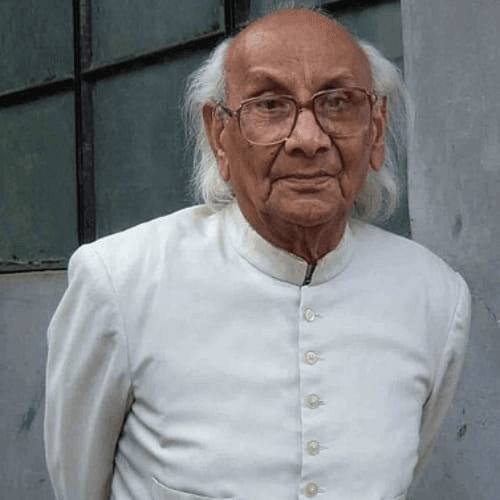
Abdul Desnavi (1930) was a prominent Indian Urdu language writer, scholar, and professor. Born in Desna, a village in the Bihar state of India, his full name was Syed Abdul Qawi Desnavi. He received his early education in Arrah and later moved to Patna for higher studies. He earned his MA in Urdu from Patna University and began his career as a lecturer at S.N. College, Muzaffarpur. In 1961, he joined the Urdu Department of St. Xavier's College, Mumbai, where he remained until his retirement as the Head of the Department in 1990.
Desnavi was a prolific writer and authored over fifty books, encompassing a wide range of genres including literary criticism, essays, biographies, and poetry. He was particularly known for his insightful and scholarly analysis of Urdu literature, particularly on the works of Allama Iqbal, Ghalib, and Abul Kalam Azad. His critical works are considered significant contributions to the field of Urdu literary criticism, offering fresh perspectives and interpretations of classic texts.
Beyond his academic pursuits, Desnavi was also a celebrated poet, composing ghazals and nazms that reflected his deep understanding of human emotions and societal issues. His poetry was characterized by its simplicity, clarity, and powerful imagery. He received numerous awards and accolades for his literary contributions, recognizing his profound impact on Urdu language and literature. Abdul Desnavi played a crucial role in promoting Urdu language and literature through his teaching, writing, and scholarly endeavors. His legacy continues to inspire generations of Urdu scholars and writers.
Family and Early Years
Personal Details
- 🎂 Date of Birth
- 01 November 1930
- 🌍 Place of Birth
- Desna Bihar, India.
Early Career
- Abdul Desnavi embarked on his creative journey with a passion for literature and a keen interest in Urdu language and poetry laying the foundation for his future contributions to the literary world.
- 📚 Early Literary Pursuits
- Desnavi's initial years were marked by extensive reading and a deep engagement with classical and contemporary Urdu literature. He immersed himself in the works of renowned poets and writers honing his understanding of language, style, and narrative techniques. This period of self-study and reflection was crucial in shaping his literary sensibilities.
- ✍️ First Major Opportunity
- His first major opportunity arrived with the publication of his early articles and essays in reputable Urdu literary magazines. These writings showcased his insightful analysis and unique perspective on various literary and cultural topics.
- 📢 Debut and Reception
- While specific titles of his debut publications may not be widely known the impact of his early writings was significant within literary circles. His work was appreciated for its intellectual depth, clarity of expression, and fresh approach to traditional subjects. The positive reception encouraged him to pursue his literary ambitions further.
- 🚧 Challenges Faced
- Like many aspiring writers Desnavi faced challenges in gaining wider recognition and establishing himself in the literary world. Competition was fierce, and breaking into established literary circles required perseverance and dedication. Overcoming these obstacles involved continuous writing, networking with fellow writers and critics, and actively participating in literary events.
A Journey of Recognition
Career Journey
- ✒️ A Master of Urdu Literature: Abdul Qavi Desnavi was a celebrated Indian Urdu language writer critic, and bibliographer, renowned for his contributions to Urdu literature and literary criticism.
- 📚 Early Career & Foundational Works: After establishing himself in the literary world Desnavi dedicated himself to teaching and writing. He served as a professor at St. Xavier's College, Mumbai, shaping the minds of future generations. His early works, including "Talash-e-Wajud," explored themes of identity and existence, laying the groundwork for his later, more complex explorations.
- 🌟 Landmark Publications: Desnavi's career is marked by several significant publications. His critical work on Maulana Abul Kalam Azad "Hayat-e-Abul Kalam Azad," is considered a seminal study. Other notable works include "Sat Tahriren," a collection of essays, and "Mutala-e-Khotut Ghalib," a critical analysis of Ghalib's letters. These publications solidified his position as a leading literary figure.
- 🤝 Collaborations & New Ventures: While primarily a solo writer and critic Desnavi engaged in collaborative projects within the academic sphere, participating in seminars and conferences. He also contributed articles to various literary journals and magazines, broadening his reach and influence. His exploration of different literary forms, from essays to critical analyses, demonstrated his versatility.
- 🏆 Critical Acclaim & Legacy: Desnavi's works were widely praised for their insightful analysis elegant prose, and deep understanding of Urdu literature and culture. He received numerous awards and accolades for his contributions. His legacy lies in his profound impact on Urdu literary criticism and his dedication to preserving and promoting Urdu language and culture. His work continues to be studied and appreciated by scholars and enthusiasts of Urdu literature.
Achievements and Milestones
- Here's a list of awards received by Abdul Desnavi:
- 🏆 Ghalib Award
- ✍️ Urdu Academy Award
- 🏅 Padma Shri.
Additional Highlights
Death
- Abdul Desnavi passed away on 07 July 2011.
Did you find this lifestory interesting?