

Bhupendra Dutta Family Tree
Bhupendra Dutta - A Lifestory
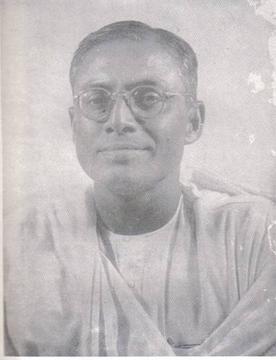
Bhupendra Dutta was a prominent figure in the Indian independence movement, dedicating his life to the cause of freedom from British rule. He was deeply influenced by nationalist ideologies and actively participated in various revolutionary activities aimed at challenging colonial authority. Dutta's commitment to the nation's liberation led him to join secret societies and organizations that advocated for armed resistance against the British. He believed that only through forceful means could India achieve complete independence.
Dutta's involvement in revolutionary activities often placed him at odds with the British authorities, resulting in imprisonment and persecution. Despite facing numerous hardships and setbacks, he remained steadfast in his commitment to the cause, inspiring many others to join the movement. His unwavering resolve and dedication to the nation's freedom made him a respected and influential figure among fellow revolutionaries and nationalists.
Beyond his revolutionary activities, Dutta was also a strong advocate for social reform and upliftment. He recognized the importance of addressing social inequalities and injustices within Indian society to create a more equitable and just nation. He actively worked towards promoting education, eradicating social evils, and empowering marginalized communities. Dutta believed that a strong and united India could only be built upon the foundation of social justice and equality. His life serves as an inspiration to those who continue to strive for a more just and equitable society.
Family and Early Years
Personal Details
- Birth Details 🎂
- 10 August 1892
- Birth Place 📍
- Jessore Bengal, British India (now in Bangladesh)
- Family Information 👨👩👧👦
- Father: Akshay Kumar Dutta
- Spouse: Labanyalata Dutta.
Early Career
- 🌱 Early Activism and Revolutionary Involvement
- Bhupendra Dutta commenced his professional journey immersed in the fervor of India's independence movement aligning himself with revolutionary ideals. His early path was marked by joining Anushilan Samiti, a revolutionary organization advocating for India's freedom from British rule. This association provided him with a platform to engage in active resistance and contribute to the broader struggle for independence.
- 🚩 Early Role and Contribution
- Dutta's initial significant contribution was his active involvement in various revolutionary activities orchestrated by Anushilan Samiti. He played a crucial role in organizing and executing acts of resistance including those aimed at disrupting British administration and inspiring nationalist sentiments. His commitment and dedication to the cause quickly propelled him to a leadership position within the organization.
- 🚧 Challenges Faced
- Establishing himself in the revolutionary domain was fraught with challenges. He faced constant surveillance by British authorities risking imprisonment and persecution for his activities. Maintaining secrecy, evading arrest, and securing resources to support the movement were persistent obstacles in his early years.
A Journey of Recognition
Career Journey
- A revolutionary freedom fighter Bhupendra Kumar Datta, dedicated his life to India's independence, significantly impacting the nation's struggle against British rule.
- 🌱 Early Activism and Revolutionary Involvement
- After dedicating himself to the cause of Indian independence Bhupendra Kumar Datta became deeply involved in revolutionary activities. He joined the Anushilan Samiti, a secret revolutionary society advocating for Indian independence through armed struggle. His commitment and organizational skills quickly led him to a prominent role within the Samiti.
- 💣 Alipore Bomb Case Trial and Imprisonment
- Bhupendra Kumar Datta's involvement in revolutionary activities led to his arrest and trial in the infamous Alipore Bomb Case. Despite facing severe charges and the risk of execution he remained steadfast in his beliefs. He was sentenced to transportation for life, a harsh punishment that saw him imprisoned in various jails across India and Burma.
- ✍️ Ideological Writings and Continued Influence
- Even while imprisoned Bhupendra Kumar Datta continued to contribute to the independence movement through his writings. He articulated his revolutionary ideology, advocating for social justice and equality. His writings served as a source of inspiration for other freedom fighters and helped to shape the intellectual landscape of the movement.
- 🇮🇳 Post-Independence Social Work and Legacy
- Following India's independence Bhupendra Kumar Datta dedicated himself to social work and community development. He worked tirelessly to uplift the marginalized sections of society and promote education and social reform. He remained an influential figure, inspiring generations with his unwavering commitment to social justice and national progress. His legacy as a dedicated freedom fighter and social reformer continues to resonate in India.
Achievements and Milestones
- Awards and Recognition 🏅
- ● Netaji Award
- ● Tamra Patra.
Additional Highlights
Contributions
- NA.
Death
- Bhupendra Dutta passed away on 29 December 1979.
Did you find this lifestory interesting?