
Ghulam Yazdani Family Tree
Ghulam Yazdani - A Lifestory
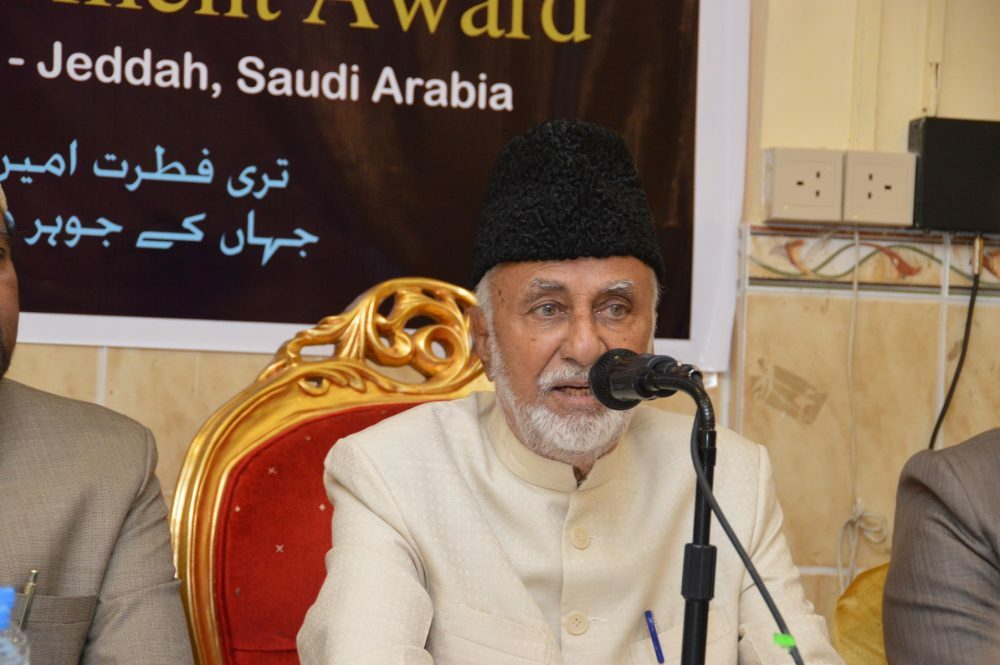
Ghulam Yazdani was a prominent figure in the field of archaeology and history in India, particularly renowned for his contributions to the preservation and understanding of the Deccan region's cultural heritage. He dedicated a significant portion of his career to the Archaeological Department of the princely state of Hyderabad, where he played a crucial role in excavating, documenting, and conserving numerous historical sites. His work extended to various domains, including the study of ancient monuments, inscriptions, and art, providing invaluable insights into the region's rich past.
Yazdani's expertise encompassed a wide range of historical periods, from the early medieval to the Mughal era. He meticulously documented the architectural styles, artistic motifs, and cultural practices prevalent in the Deccan, shedding light on the region's unique identity. His research significantly contributed to our knowledge of the Qutb Shahi dynasty, whose architectural legacy continues to captivate scholars and visitors alike. Moreover, his efforts in preserving historical sites helped safeguard the region's cultural heritage for future generations.
Beyond his archaeological endeavors, Yazdani was a prolific writer and scholar. He authored numerous books and articles on various aspects of Indian history and archaeology, making his research accessible to a wider audience. His publications served as valuable resources for scholars and enthusiasts interested in the Deccan's past. Through his dedication and scholarly contributions, Ghulam Yazdani left an indelible mark on the field of Indian archaeology and history, ensuring that the Deccan's rich cultural heritage would be appreciated and understood for years to come.
Family and Early Years
Personal Details
- 🎂 Date of Birth
- 22 March 1885.
Early Career
- 🏛️ Early Career Start
- Ghulam Yazdani embarked on his professional journey in the field of archaeology rapidly establishing himself as a prominent figure in the discipline.
- 🛤️ Initial Foray into Archaeology
- Yazdani's career commenced with his involvement in archaeological research and preservation efforts. He became associated with the Department of Archaeology of the Hyderabad State a pivotal institution for archaeological activities in the region. His early work involved the exploration, excavation, and preservation of historical sites and monuments.
- ✍️ Significant Contribution
- One of Yazdani's earliest and most significant contributions was his work in documenting and preserving the Ajanta Caves. His detailed surveys meticulous documentation, and insightful interpretations of the cave paintings played a crucial role in bringing these ancient artistic treasures to the attention of the wider world. His efforts were instrumental in the preservation and understanding of this important heritage site.
- 🚧 Challenges Faced
- Establishing himself in the field presented its share of challenges. Securing funding for archaeological projects navigating bureaucratic processes, and dealing with the logistical complexities of fieldwork were among the obstacles he encountered. Furthermore, promoting the importance of archaeological preservation to a broader audience required persistent advocacy and public engagement.
A Journey of Recognition
Career Journey
- A pioneering archaeologist and epigraphist Ghulam Yazdani significantly advanced our understanding of Deccan history and culture through extensive excavations and meticulous documentation.
- 🏛️ Early Career & Archaeological Surveys
- After gaining recognition for his proficiency in epigraphy and archaeology Ghulam Yazdani embarked on extensive surveys of historical sites across the Deccan region. This involved identifying, documenting, and analyzing numerous inscriptions and monuments, laying the groundwork for future research.
- ✍️ Director of Archaeology Hyderabad State
- Appointed as the Director of Archaeology for Hyderabad State Yazdani played a pivotal role in preserving and promoting the region's rich cultural heritage. He spearheaded numerous excavation projects, notably at sites like Ajanta and Ellora, bringing to light invaluable artifacts and architectural wonders.
- 🎨 Ajanta Frescoes Preservation & Publication
- One of Yazdani's most significant contributions was his meticulous work on the Ajanta frescoes. He oversaw their preservation and documentation publishing a comprehensive series of volumes that made these masterpieces accessible to scholars worldwide. This publication cemented his international reputation and significantly boosted the study of Indian art history.
- 🌍 International Recognition & Scholarly Contributions
- Yazdani's expertise was sought after internationally. He delivered lectures at prestigious institutions and contributed extensively to scholarly journals. His deep understanding of Persian Arabic, and Sanskrit, combined with his archaeological expertise, allowed him to provide unique insights into the cultural interactions of the Deccan region.
- 🛡️ Legacy of Preservation & Scholarship
- Yazdani's legacy is one of meticulous scholarship and unwavering dedication to preserving India's cultural heritage. He not only unearthed and documented invaluable historical treasures but also trained generations of archaeologists ensuring that his work continues to inspire and inform future research. His work shaped the understanding of Deccan history for decades to come.
Achievements and Milestones
- Based on available information Ghulam Yazdani received the following awards:
- 🏆 Awards
- ● Fellow of the Asiatic Society of Bengal
- ● Officer of the Order of the British Empire (OBE)
- ● D.Litt. (Honoris Causa) from Osmania University.
Additional Highlights
Contributions
- 🏛️ Pioneering Archaeological Research and Preservation
- ● Excavation and Conservation of Archaeological Sites: Ghulam Yazdani dedicated his life to unearthing and preserving India's rich historical past. He led excavations at numerous significant sites meticulously documenting findings and implementing conservation measures to protect these invaluable cultural resources for future generations.
- ● Epigraphic Studies and Decipherment: Yazdani made significant contributions to the field of epigraphy by deciphering and interpreting ancient inscriptions. His work shed light on the history language, and culture of past civilizations, providing valuable insights into the socio-political landscape of the time.
- ● Director of Archaeology Hyderabad State: As Director of Archaeology, Yazdani played a pivotal role in the systematic exploration, documentation, and preservation of historical monuments and archaeological sites within the Hyderabad State. He implemented policies and initiatives to safeguard the region's cultural heritage.
- ● Promoting Education and Scholarship: Yazdani fostered a culture of learning and scholarship by publishing extensively on archaeological and historical topics. His writings served as a valuable resource for researchers students, and the general public, promoting a deeper understanding and appreciation of India's past.
- ● Publication of Archaeological Survey Reports: He was involved in the publication of comprehensive archaeological survey reports which documented the findings of excavations and explorations in various regions. These reports served as essential references for scholars and researchers in the field of archaeology.
Death
- Ghulam Yazdani passed away on 13 November 1962.
Disclaimer
The information provided has been gathered from various sources and may have errors or discrepancies.
If you notice any inaccuracies, please let us know at admin-support@imeuswe.in


