
Girish Ghosh Family Tree
Girish Ghosh - A Lifestory
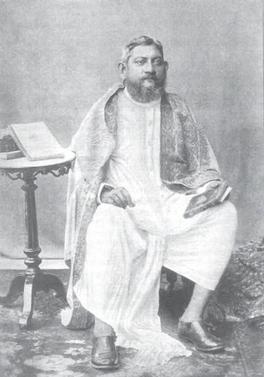
Girish Ghosh, a towering figure in the history of Bengali theatre, was a multifaceted personality who excelled as a playwright, actor, director, and musician. Born in 1844 in Bagbazar, Calcutta, his early life was marked by both privilege and tragedy, losing his parents at a young age. Despite facing personal hardships, he displayed a keen interest in literature and the performing arts from an early age. He began his career as a clerk but soon gravitated towards the burgeoning theatre scene in Calcutta.
Ghosh's contribution to Bengali theatre is monumental. He is credited with pioneering professional Bengali theatre, breaking away from amateur productions and establishing a sustainable model for the art form. He wrote over 80 plays, spanning a wide range of genres, including historical dramas, mythological plays, social commentaries, and farces. His plays were characterized by their powerful dialogues, dramatic intensity, and insightful portrayal of human emotions. Some of his most famous works include "Chaitanya Leela," "Bilwamangal Thakur," and "Sirajuddaula."
Beyond his prolific writing, Ghosh was also a charismatic actor and director. He possessed a commanding stage presence and a deep understanding of dramatic techniques. He founded the National Theatre in 1872, a landmark institution that played a crucial role in shaping the landscape of Bengali theatre. He later became associated with the Star Theatre, where he continued to produce and direct groundbreaking plays. His directorial style was known for its meticulous attention to detail and its emphasis on realism.
Girish Ghosh's influence extended beyond the realm of theatre. He was a prominent figure in the Bengali cultural renaissance and a passionate advocate for social reform. His plays often addressed pressing social issues, such as poverty, inequality, and religious hypocrisy. He was also a devout follower of Sri Ramakrishna Paramahamsa, and his association with the spiritual leader profoundly influenced his life and work. He passed away in 1912, leaving behind a rich legacy that continues to inspire generations of artists and theatre enthusiasts.
Family and Early Years
Personal Details
- 🎂 Date of Birth
- 28 February 1844.
Early Career
- 🎭 Early Career Beginnings
- Girish Ghosh embarked on his professional journey in the realm of Bengali theatre quickly establishing himself as a prominent figure through his innovative approach to acting and playwriting.
- 🎬 Pivotal Entry into Theatre
- Girish Ghosh's early career was marked by his deep involvement with various theatrical groups in Calcutta. He began by participating in amateur performances gradually honing his skills as both an actor and a playwright. His association with organizations like the Bengal Theatre provided him with a platform to showcase his talents and experiment with new dramatic forms.
- ✍️ First Major Contribution: Playwriting and Acting
- Ghosh's first major contribution came through his original plays which tackled social issues and showcased his unique style of dialogue and character development. His performances in these plays were equally impactful, earning him recognition for his powerful stage presence and ability to connect with audiences. One of his initial successes involved adapting existing stories into compelling theatrical productions, solidifying his reputation as a talented playwright and actor.
- 🚧 Challenges in Establishing Himself
- Girish Ghosh faced numerous challenges in the early stages of his career. The Bengali theatre scene was undergoing significant transformations and there was resistance to new ideas and approaches. He also struggled with financial constraints and the lack of institutional support for theatre artists. Overcoming these obstacles required perseverance, dedication, and a strong belief in his artistic vision.
A Journey of Recognition
Career Journey
- Girish Chandra Ghosh was a pioneering Indian playwright actor, director, and musician who revolutionized Bengali theatre with his socially conscious and emotionally resonant works.
- 🎭 Early Theatrical Successes
- After gaining recognition for his acting skills and dramatic writing Ghosh focused on creating original plays, often tackling social issues and incorporating elements of Indian mythology and folklore. He directed and acted in numerous successful productions, establishing himself as a prominent figure in the growing Bengali theatre scene.
- ✍️ Prolific Playwright and Director
- Ghosh's major contribution was his prolific output of plays many of which became landmarks of Bengali theatre. He took on the role of director and manager of the Star Theatre, a pivotal institution in Calcutta's theatrical landscape. His dramas often centered on themes of nationalism, social reform, and spiritual awakening, resonating deeply with the audience of his time.
- 🌟 Star Theatre Leadership
- As the leader of Star Theatre Ghosh made the significant decision to stage plays that challenged societal norms and promoted nationalist sentiments. His leadership involved nurturing new talent, experimenting with theatrical techniques, and advocating for the professionalization of the Bengali stage. He was involved in movements promoting Indian culture and identity through theatrical expression.
- 🙏 Spiritual and Artistic Evolution
- Ghosh faced challenges balancing commercial success with artistic integrity and navigating the complex social and political landscape of colonial India. He deepened his impact by integrating spiritual themes into his plays influenced by his association with Ramakrishna Paramahamsa. His work shaped the legacy of Bengali theatre by establishing it as a powerful medium for social commentary, cultural expression, and artistic innovation.
Achievements and Milestones
- 🎭 Awards & Recognition:
- ● Bangiya Sahitya Parishad Award
- ● Title of "Girsh Chandra" by the audience.
Additional Highlights
Contributions
- Girish Ghosh a luminary of the Bengali stage, revolutionized Indian theatre with his nationalistic fervor and innovative dramatic techniques.
- 🎭 Pioneering Bengali Theatre
- ● Ghosh founded the National Theatre in 1872 a pivotal moment in the development of modern Bengali theatre, providing a platform for indigenous plays and challenging colonial norms.
- ● As a playwright director, and actor, he produced and staged numerous original dramas, often infused with patriotic themes and social commentary, igniting nationalistic sentiments among audiences.
- ● His contributions elevated the professional standards of Bengali theatre attracting a wider audience and paving the way for future generations of theatre artists.
- ✍️ Literary and Dramatic Works
- ● Ghosh wrote over 80 plays encompassing historical dramas, mythological tales, and social satires, showcasing his versatility and command of language.
- ● Notable works include Chaitanya Lila Buddha Dev, Jana, Abu Hossain, and Bilwamangal, which became immensely popular and influenced the cultural landscape of Bengal.
- ● His plays often addressed contemporary social issues such as widow remarriage, caste discrimination, and the exploitation of the poor, sparking public discourse and inspiring social reform movements.
- 🕊️ Social Advocacy and Nationalistic Influence
- ● Ghosh used his plays as a medium to promote nationalistic ideals and inspire resistance against British rule.
- ● His works often depicted heroic figures from Indian history and mythology instilling pride in Indian culture and heritage.
- ● He actively supported and mentored young theatre artists fostering a sense of community and purpose among them, and encouraging them to use their art for social change.
- 🤝 Spiritual Transformation and Influence
- ● Girish Ghosh was deeply influenced by Sri Ramakrishna Paramahamsa a renowned spiritual leader. This encounter brought about a significant transformation in his life, leading him to incorporate spiritual themes into his later works.
- ● He wrote plays like Chaitanya Lila and Bilwamangal which explored themes of devotion, renunciation, and divine love, reflecting his spiritual awakening.
- ● His transformation from a bohemian figure to a devout follower of Sri Ramakrishna had a profound impact on his personal life and artistic output inspiring many with his story of redemption and spiritual growth.
Death
- Girish Ghosh passed away on 08 August 2012.
Disclaimer
The information provided has been gathered from various sources and may have errors or discrepancies.
If you notice any inaccuracies, please let us know at admin-support@imeuswe.in


