Girish Kasaravalli Family Tree
Girish Kasaravalli - A Lifestory
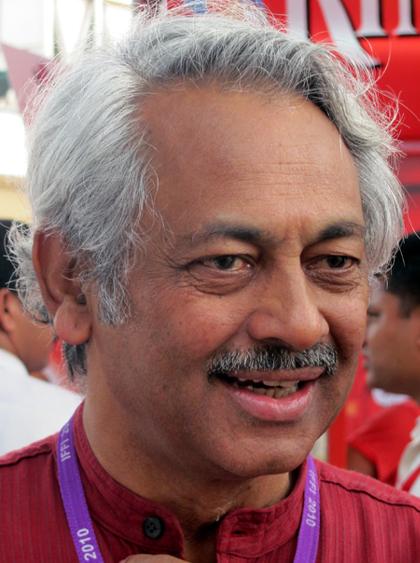
Girish Kasaravalli is a highly acclaimed Indian film director, known primarily for his work in Kannada cinema. Born on December 3, 1950, in Kasaravalli, Karnataka, his early life was steeped in the cultural traditions of the region, which later profoundly influenced his filmmaking. He pursued his education in film direction at the Film and Television Institute of India (FTII), Pune, an institution renowned for nurturing cinematic talent. It was here that he honed his skills and developed a distinctive style characterized by realism, social commentary, and a deep understanding of human relationships.
Kasaravalli's directorial debut, "Ghatashraddha" (1977), immediately established him as a significant voice in Indian cinema. The film garnered critical acclaim and won the National Film Award for Best Feature Film, setting the stage for a remarkable career. Throughout his career, he has consistently explored complex social issues, often focusing on the struggles of marginalized communities and the intricacies of human psychology. His films are known for their nuanced storytelling, powerful performances, and thoughtprovoking themes.
He has directed numerous awardwinning films, including "Tabarana Kathe" (1987), "Mane" (1990), "Kraurya" (1996), "Dweepa" (2002), and "Kanasemba Kudureyaneri" (2010), each showcasing his unique cinematic vision. His work has been recognized with multiple National Film Awards, international accolades, and widespread critical appreciation. Beyond filmmaking, Kasaravalli is also a respected writer and academic, contributing to film studies and promoting meaningful cinema. His contributions to Indian cinema have solidified his position as one of the most important and influential filmmakers of his generation.
Family and Early Years
Personal Details
- 🎂 Date of Birth
- 03 December 1950
- 🏠 Place of Birth
- Kasaravalli Kundapura Taluk, Udupi District, Karnataka, India
- 👨👩👧👦 Family Details
- Spouse: Uma Kasaravalli (deceased)
- Children: Anya Kasaravalli
- 🎓 Educational Background
- Film and Television Institute of India (FTII) Pune.
Early Career
- Girish Kasaravalli embarked on his creative journey with a strong foundation in film nurtured through his education at the Film and Television Institute of India (FTII). This formal training proved instrumental in shaping his early cinematic vision and provided him with the technical skills necessary to translate his ideas onto the screen.
- 🎬 Early Filmmaking Education
- Kasaravalli's time at FTII was crucial in developing his understanding of film as an art form. He delved into various aspects of filmmaking from screenwriting and cinematography to editing and direction. This comprehensive education equipped him with a holistic approach to filmmaking, enabling him to control and refine every element of his work.
- 🌟 First Major Opportunity: Ghatashraddha
- His debut film Ghatashraddha (1977), marked his entry into the world of feature filmmaking. Securing the opportunity to direct this film was a significant breakthrough, allowing him to showcase his talent and vision to a wider audience.
- 🏆 Significance and Reception of Ghatashraddha
- Ghatashraddha was met with widespread critical acclaim both nationally and internationally. The film's sensitive portrayal of social issues and its artistic merit were lauded by critics and audiences alike. It won the Golden Lotus Award for Best Film at the National Film Awards, establishing Kasaravalli as a prominent figure in Indian cinema.
- 🚧 Challenges in Establishing a Career
- Despite the success of Ghatashraddha Kasaravalli faced challenges in establishing himself as a commercially viable filmmaker. His commitment to artistic integrity and his focus on socially relevant themes often clashed with the demands of mainstream cinema. Securing funding for his subsequent projects proved difficult, requiring him to navigate the complex landscape of film financing and production.
A Journey of Recognition
Career Journey
- Girish Kasaravalli is a prominent figure in Indian cinema renowned for his significant contributions to the New Wave cinema movement.
- 🎬 Early Acclaim and Establishing a Unique Voice
- After graduating from the Film and Television Institute of India (FTII) Kasaravalli quickly established himself with his debut film Ghatashraddha (1977). This film, which explored themes of social injustice and tradition, won the Golden Lotus Award for Best Feature Film at the National Film Awards, immediately marking him as a director with a distinct vision. He followed this success with Tabarana Kathe (1986), another National Award winner, further solidifying his reputation for socially relevant and artistically profound storytelling.
- 🏆 Exploring Complex Themes and National Recognition
- Kasaravalli's career is characterized by a consistent exploration of complex human relationships and societal issues. Mane (1990) which delves into the complexities of urban life, and Kraurya (1996), a powerful portrayal of marital discord, continued to earn him critical acclaim and National Awards. His films were known for their realistic portrayal of characters and situations, often challenging conventional cinematic narratives.
- 🤝 Collaborations and Diversification
- While primarily known for his directorial work Kasaravalli also collaborated with other filmmakers and artists. He remained committed to producing films rooted in Kannada culture while engaging with universal themes.
- 🌟 Continued Success and Evolving Craft
- In the later stages of his career Kasaravalli continued to produce impactful films, including Dweepa (2002), which explored themes of environmental displacement, and Kanasemba Kudureyaneri (2010), a philosophical exploration of life and death. These films showcased his evolving craft and his ability to adapt his storytelling to contemporary issues. His work consistently received critical acclaim, numerous awards, and secured his place as one of India's most respected filmmakers. He is celebrated for his commitment to artistic integrity and his profound understanding of human nature.
Achievements and Milestones
- Here's a list of awards received by Girish Kasaravalli:
- 🏆 National Film Awards
- ● Best Feature Film: Ghatashraddha (1977) Tabarana Kathe (1987), Thaayi Saheba (1997), Dweepa (2002)
- ● Best Direction: Mane (1990)
- ● Best Film on Family Welfare: Kanasemba Kudureyaneri (2010)
- 🏅 Karnataka State Film Awards
- ● First Best Film: Ghatashraddha (1977) Tabarana Kathe (1987), Mane (1990), Thaayi Saheba (1997), Dweepa (2002), Naayi Neralu (2006)
- ● Best Screenplay: Grahana (2008)
- 🌍 International Awards
- ● Golden Lotus Award for Best Film: Ghatashraddha (1977)
- ● FIPRESCI Award: Tabarana Kathe (1987) Thaayi Saheba (1997)
- ● NETPAC Award: Kanasemba Kudureyaneri (2006).
Additional Highlights
Contributions
- Girish Kasaravalli is celebrated for his profound and realistic portrayal of socio-political issues through the lens of Indian cinema earning him widespread acclaim.
- 🎬 Cinematic Contributions
- ● Directed numerous critically acclaimed films many of which explore complex social issues and human relationships.
- ● His films are known for their artistic merit often employing innovative narrative techniques and visual storytelling.
- ● His film "Ghatashraddha" won the Golden Lotus Award at the National Film Awards.
- 📚 Literary Adaptations
- ● Adapted literary works into films bringing classic Indian literature to a wider audience.
- ● His adaptations are known for their faithfulness to the source material while adding his unique cinematic vision.
- 🌍 International Recognition
- ● His films have been showcased and awarded at numerous international film festivals bringing Indian cinema to a global audience.
- ● His works have contributed to the recognition of Indian parallel cinema on the world stage.
- 👨🏫 Film Education
- ● Served as a professor and mentor at film institutions shaping the next generation of Indian filmmakers.
- ● His teachings emphasize the importance of social responsibility and artistic integrity in filmmaking.
Recent Work
- ● A highly acclaimed Indian film director and one of the pioneers of the New Wave Cinema movement in Kannada cinema Girish Kasaravalli continues to be a significant figure in Indian filmmaking. His work is known for its artistic merit, social commentary, and profound exploration of human relationships.
- ● Recent Career Update: Kasaravalli has been actively involved in film-related activities including retrospectives of his work and participation in film festivals. While specific new directorial ventures might not have been widely publicized recently, he remains a respected voice in discussions about cinema and its role in society.
- ● Recent Projects:
- ● While there aren't readily available details of new film releases in the immediate past year his classic films continue to be screened at festivals and studied in academic circles.
- ● Collaborations:
- ● Information on very recent collaborations is limited; however throughout his career, Kasaravalli has worked with numerous talented artists, including cinematographers like S. Ramachandra, composers like B. V. Karanth, and writers whose works he has adapted for the screen.
Did you find this lifestory interesting?