

Hafeez Jalandhari Family Tree
Hafeez Jalandhari - A Lifestory
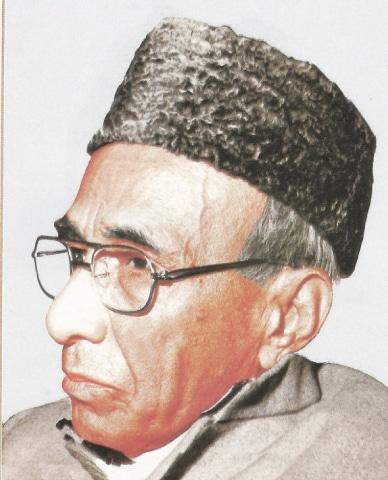
Hafeez Jalandhari was a prominent Pakistani poet, writer, and intellectual, best known as the writer of the national anthem of Pakistan, "Qaumi Tarana." Born in Jalandhar, Punjab, British India, in 1900, his full name was Abu AlAsar Hafeez Jalandhari. He received his early education in his hometown and later pursued selfstudy to enhance his knowledge and literary skills. Jalandhari's literary journey began with writing poetry, and he quickly gained recognition for his patriotic and nationalistic verses, which resonated deeply with the people of the Indian subcontinent, particularly during the Pakistan Movement.
His involvement in the freedom movement was significant, and he actively participated through his writings and speeches, inspiring people to strive for independence. After the creation of Pakistan in 1947, he migrated to Lahore and played a crucial role in shaping the literary and cultural landscape of the newly formed nation. He held various positions in government institutions, including serving as the Director of Moral ReArmament and advising on matters of culture and education.
Jalandhari's magnum opus is considered to be "ShahnamaeIslam," an epic poem that narrates the history of Islam in verse. This monumental work showcases his deep understanding of Islamic history and his ability to weave historical events into captivating poetry. His contribution to Urdu literature is immense, encompassing a wide range of genres, including ghazals, nazms, and patriotic songs. He was a recipient of numerous awards and accolades, including the HilaleImtiaz, one of Pakistan's highest civilian awards, in recognition of his literary achievements and contributions to the nation. Hafeez Jalandhari passed away in Lahore in 1982, leaving behind a rich legacy of literary works that continue to inspire and influence generations of Urdu speakers.
Family and Early Years
Personal Details
- 🎂 Date of Birth
- 14 January 1900
- 🏙️ Place of Birth
- Jalandhar Punjab, British India.
Early Career
- Hafeez Jalandhari embarked on his creative journey with a passion for poetry initially focusing on romantic and nationalistic themes that resonated with the socio-political climate of the time. His early work established him as a promising voice in Urdu literature, paving the way for future success.
- 📝 Early Poetic Expressions
- His initial forays into the literary world involved writing for various newspapers and magazines. These early publications provided him with a platform to showcase his talent and hone his skills as a poet. He gained recognition for his ability to capture the emotions and aspirations of the common people through his verses.
- 🎤 Securing the First Major Opportunity
- His first major opportunity came with the publication of his collection of poems "Naghma-e-Zar," which translates to "Song of Sorrow." This collection showcased his diverse range of poetic styles and themes, establishing him as a notable figure in Urdu poetry.
- 📖 Debut Significance
- The release of "Naghma-e-Zar" was a significant milestone in his career. It garnered critical acclaim for its lyrical beauty emotional depth, and powerful expression of nationalistic sentiments. The public received it warmly, appreciating the accessibility and relatability of his verses.
- 🚧 Early Career Challenges
- Despite his talent he faced numerous challenges in establishing himself. The literary scene was competitive, and gaining recognition required persistence and dedication. Financial constraints also posed a hurdle, as he had to balance his passion for writing with the need to earn a living.
A Journey of Recognition
Career Journey
- Hafeez Jalandhari was a Pakistani Urdu poet who significantly contributed to literature through patriotic and romantic poetry most notably penning Pakistan's national anthem.
- 📜 Early Literary Success & Defining Works
- After establishing himself as a poet Jalandhari's career progressed with the publication of significant works like "Soz-o-Saaz," "Talkhian," and "Naghma-e-Zar." His most celebrated contribution remains the writing of "Qaumi Tarana," the national anthem of Pakistan, which solidified his place in the nation's cultural landscape.
- 🇵🇰 National Recognition & Patriotic Themes
- Jalandhari's work heavily revolved around patriotic themes reflecting the spirit of a newly independent nation. While his core style remained rooted in traditional Urdu poetry, he adapted his voice to capture the aspirations and emotions of the Pakistani people.
- 🌍 Public Reception & Enduring Legacy
- His work enjoyed considerable critical and commercial success resonating deeply with the public due to its simplicity, emotional depth, and patriotic fervor. Jalandhari's legacy endures through the national anthem and his other poetic works, continuing to inspire generations.
Achievements and Milestones
- Here's a list of awards received by Hafeez Jalandhari:
- 🏆 Awards
- ● Hilal-e-Imtiaz
- ● Pride of Performance.
Additional Highlights
Contributions
- A master of lyrical expression and patriotic fervor Hafeez Jalandhari’s words resonated deeply, shaping national identity and inspiring generations.
- 📜 Writer of the National Anthem 🇵🇰
- ● Penned the lyrics for Pakistan's national anthem "Qaumi Tarana," a masterpiece that encapsulates the spirit and aspirations of the nation.
- ● His powerful verses have instilled a sense of unity and pride among Pakistanis since its adoption in 1954.
- ✍️ Literary Contributions 📚
- ● Authored "Shahnama-e-Islam" an epic poem that narrates the history of Islam in verse, highlighting the valor and achievements of Islamic heroes.
- ● His other works include collections of poetry and songs that explore themes of love nature, patriotism, and social justice.
- 🗣️ Involvement in Pakistan Movement 🇵🇰
- ● Actively participated in the Pakistan Movement using his poetry to ignite nationalist sentiment and advocate for the creation of a separate homeland for Muslims in the Indian subcontinent.
- ● His writings played a significant role in mobilizing public opinion and fostering a sense of collective identity among Muslims.
- 🎗️ Social Activism and Welfare Efforts 🤝
- ● He was involved in various social welfare initiatives promoting education, healthcare, and community development.
- ● Worked to uplift marginalized communities and address social inequalities through his writings and activism.
- 📢 Cultural Influence and Legacy 🌍
- ● His poetry and songs have had a lasting impact on Pakistani culture inspiring artists, musicians, and writers.
- ● His works continue to be celebrated and studied ensuring his enduring legacy as one of Pakistan's most influential literary figures.
Death
- Hafeez Jalandhari passed away on 21 December 1982.