

Jyotirao Phule Family Tree
Jyotirao Phule - A Lifestory
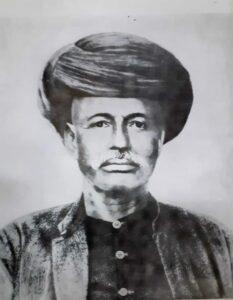
Jyotirao Phule, also known as Mahatma Phule, was a prominent Indian social reformer, thinker, and anticaste activist who lived during the 19th century. Born in 1827 in presentday Maharashtra, India, Phule dedicated his life to challenging the deeply entrenched caste system and advocating for the rights of marginalized communities, particularly the Shudras and AtiShudras (considered the lowest in the caste hierarchy). He recognized that education was the key to social emancipation and empowerment. Along with his wife, Savitribai Phule, he pioneered education for girls and lowercaste children, a revolutionary act in a society where education was largely restricted to the upper castes. In 1848, they established the first school for girls in Pune, defying societal norms and facing immense opposition from orthodox elements.
Phule's activism extended beyond education. He founded the Satyashodhak Samaj (Society of Truth Seekers) in 1873, an organization that aimed to challenge Brahmanical supremacy and promote social equality. The Satyashodhak Samaj rejected the authority of the Vedas and other Hindu scriptures, advocating for a rational and egalitarian society based on reason and justice. Phule was a prolific writer and intellectual, using his writings to critique the caste system, religious hypocrisy, and social injustice. His notable works include "Gulamgiri" (Slavery), "Shetkaryacha Asud" (Cultivator's Whipcord), and "Sarvajanik Satya Dharma Pustak" (The Book of the Universal True Religion). Through his tireless efforts in education, social reform, and intellectual discourse, Jyotirao Phule left an indelible mark on Indian society, inspiring generations to fight for equality and social justice. He is widely regarded as one of the most important figures in the history of social reform in India. He passed away in 1890, leaving behind a legacy of unwavering commitment to social justice and equality.
Family and Early Years
Personal Details
- 🎂 Date of Birth
- Jyotirao Phule was born on 04 November 1827.
- 👨👩👧👦 Family Details
- His father was Govindrao Phule and his mother was Chimnabai. Jyotirao Phule married Savitribai Phule.
Early Career
- Jyotirao Phule began his professional journey as a vegetable vendor but his deep concern for social justice and education quickly steered him towards activism and reform.
- 🌱 Early Forays into Education and Activism
- Phule's early path involved self-education supplemented by studies at a Scottish Missionary High School. Witnessing the caste-based discrimination prevalent in society, particularly the lack of educational opportunities for lower castes, ignited his passion for social reform. He, along with his wife Savitribai Phule, started a school for girls in 1848 in Bhide Wada, Pune. This was a revolutionary act, challenging the existing social norms and laying the foundation for his lifelong commitment to education and equality.
- ✍️ First School for Girls: A Landmark Contribution
- Phule's first major contribution was the establishment of the first school for girls in India specifically for girls from marginalized communities. This was a groundbreaking initiative, providing access to education for those who were historically denied it. The significance lay in challenging the Brahmanical hegemony that controlled education and perpetuated social inequalities. By educating girls, Phule aimed to empower them and break the cycle of oppression.
- 🧱 Obstacles and Resistance
- Phule faced immense opposition from orthodox elements of society. He and his wife were ostracized and subjected to social pressure and threats. Funding was a constant struggle and finding teachers willing to work with them was difficult. The prevailing social norms and deep-rooted prejudices posed significant challenges to their efforts. Overcoming these obstacles required immense courage, perseverance, and a firm belief in the importance of education for all.
A Journey of Recognition
Career Journey
- Jyotirao Phule was a social reformer and thinker who championed the rights of the marginalized in 19th-century India.
- 🏫 Early Activism and Education 📚
- After advocating for education Phule started a school for girls in 1848, a revolutionary act at the time. This was followed by schools for children from marginalized communities, challenging the existing social hierarchy and laying the foundation for educational equity.
- ✍️ Satyashodhak Samaj Foundation 🤝
- In 1873 Phule founded the Satyashodhak Samaj (Society of Truth Seekers) to challenge the prevailing caste system and religious orthodoxy. This organization aimed to provide equal rights to all, regardless of caste or gender, and advocated for rational thinking and social justice. He challenged the authority of the priestly class and promoted a direct relationship between individuals and God.
- 📢 Author and Social Critic 📖
- Phule used his writing to expose the inequalities and injustices prevalent in society. His works such as "Gulamgiri" (Slavery) and "Shetkaryacha Asud" (Cultivator's Whipcord), critiqued the caste system, religious hypocrisy, and economic exploitation of the peasantry. These writings served as powerful tools for social awakening and reform.
- 🌱 Legacy of Social Justice 🌳
- Phule's relentless efforts in education social reform, and advocacy for the marginalized left an enduring legacy. His work inspired generations of activists and reformers who continued to fight for social justice and equality in India. He is remembered as a pioneer of social reform and a champion of the oppressed.
Achievements and Milestones
- Based on available information Jyotirao Phule received the following notable award:
- Mahatma Title 🏆
- ● He was bestowed with the title of "Mahatma" on May 11 1888, by Vithalrao Krishnaji Vandekar, a social activist from Bombay, recognizing his exceptional contribution to social reform and upliftment of the marginalized.
Additional Highlights
Contributions
- Jyotirao Phule a revolutionary thinker and social reformer, challenged the deeply entrenched caste system and championed education for all.
- 📚 Pioneering Education for All
- ● Established the first school for girls in India in 1848 breaking social barriers that denied education to women.
- ● Founded schools for children from marginalized communities particularly those belonging to the Shudra and Ati-Shudra castes.
- ● Advocated for a curriculum that promoted critical thinking scientific knowledge, and vocational training, challenging traditional Brahminical education.
- ✊ Fighting for Social Justice and Equality
- ● Formed the Satyashodhak Samaj (Society of Truth Seekers) in 1873 a social reform society that aimed to eradicate caste discrimination and promote rational thinking.
- ● Challenged the authority of the Brahmins and their religious texts advocating for a society based on equality and justice.
- ● Fought against the exploitation of peasants and laborers by landlords and moneylenders.
- ✍️ Literary Contributions and Advocacy
- ● Authored several books and pamphlets including "Gulamgiri" (Slavery), which exposed the injustices of the caste system and advocated for the liberation of the oppressed.
- ● Used his writings to promote rational thinking social reform, and the importance of education.
- ● Criticized religious hypocrisy and advocated for a society based on reason and morality.
- 🤝 Philanthropic Activities
- ● Opened his home to orphaned children and widows providing them with shelter, education, and support.
- ● Worked to alleviate the suffering of victims of natural disasters and social injustice.
- ● Promoted the idea of a welfare state that would provide for the needs of all citizens.
Death
- Jyotirao Phule passed away on 28 November 1890.