
Kaliprasanna Singha Family Tree
Kaliprasanna Singha - A Lifestory
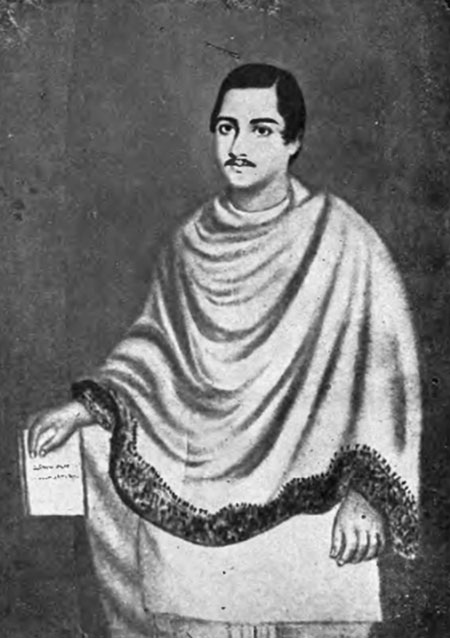
Kaliprasanna Singha was a prominent figure in 19thcentury Bengal, renowned for his literary contributions, philanthropy, and social activism. Born into a wealthy and influential family in Calcutta, he received a privileged education, fostering a deep appreciation for both Western and traditional Indian learning. This unique blend of intellectual influences shaped his progressive worldview and fueled his desire to contribute to the cultural and social upliftment of his community.
Singha is best remembered for his monumental undertaking of translating the entire epic Mahabharata into Bengali. This ambitious project, completed with the assistance of a team of scholars, made the epic accessible to a wider Bengalispeaking audience, significantly contributing to the popularization of Hindu mythology and literature. Beyond this significant literary achievement, he was also a prolific writer himself, penning satirical essays and plays that critiqued the social ills and hypocrisies prevalent in contemporary Bengali society. His writings often targeted issues such as caste discrimination, religious orthodoxy, and the exploitation of the poor.
Furthermore, Singha was a generous philanthropist, actively supporting various educational and charitable institutions. He played a crucial role in establishing schools and hospitals, providing financial assistance to needy students, and promoting the welfare of the underprivileged. His commitment to social reform extended to his active participation in movements advocating for women's education and the abolition of child marriage. He was a vocal advocate for progressive causes and used his wealth and influence to champion the rights of the marginalized. He left an indelible mark on the cultural and social landscape of 19thcentury Bengal, solidifying his legacy as a multifaceted personality who seamlessly blended literary pursuits with social activism and philanthropic endeavors.
Family and Early Years
Personal Details
- 🎂 Date of Birth
- 23 February 1841.
Early Career
- Kaliprasanna Singha embarked on his creative journey at a young age quickly establishing himself as a notable figure through his literary pursuits and philanthropic endeavors. His sharp wit and progressive views soon propelled him into the limelight of the Bengali cultural scene.
- ✍️ Early Literary Ventures
- Kaliprasanna Singha's initial forays into the literary world involved writing and publishing articles in various journals and newspapers. These early pieces showcased his writing prowess and his commitment to social reform. He actively engaged in debates and discussions on contemporary issues demonstrating a keen understanding of the societal challenges of his time.
- 🎭 Securing the First Major Opportunity: Hutom Pyanchar Naksha
- His first major opportunity came with the publication of Hutom Pyanchar Naksha a satirical portrayal of contemporary Bengali society. This work, written in colloquial Bengali, broke away from the formal literary style prevalent at the time.
- 📢 Significance and Reception of Hutom Pyanchar Naksha
- Hutom Pyanchar Naksha was a groundbreaking work that resonated with a wide audience. Its satirical wit and accessible language made it immensely popular. While it garnered considerable praise for its originality and social commentary it also faced criticism from some conservative sections of society who found its depiction of Bengali life too candid and irreverent.
- 🚧 Overcoming Early Challenges
- Establishing himself in the literary world was not without its challenges. He faced resistance from traditionalists who were wary of his unconventional writing style and progressive ideas. Securing financial support for his literary projects and overcoming societal biases were also significant hurdles he had to navigate.
A Journey of Recognition
Career Journey
- A sharp one-liner capturing Kaliprasanna Singha’s creative identity: A literary luminary who fearlessly bridged the gap between high society and the common tongue immortalizing 19th-century Calcutta through his satirical prose and philanthropic endeavors.
- 🖋️ Landmark Translation: The Mahabharata
- After establishing himself with early literary pursuits Kaliprasanna Singha embarked on his most ambitious project: translating the entire Mahabharata into Bengali. This monumental undertaking, completed in a remarkably short time, made the epic accessible to a wider Bengali-speaking audience. The translation was distributed freely, showcasing his commitment to democratizing knowledge.
- 🎭 Patron of the Arts and Literature
- Singha used his wealth to support numerous artists writers, and publications. He became a central figure in Calcutta's cultural scene, fostering a vibrant intellectual environment. He funded the Vidyotsahini Sabha, a literary society that promoted Bengali literature and hosted theatrical performances.
- ✍️ Hutum Pyanchar Naksha: A Social Satire
- One of Singha's most significant contributions was the creation of Hutum Pyanchar Naksha (Sketches by Hutum the Owl) a satirical portrayal of Calcutta society. This work, written in colloquial Bengali, offered a sharp and witty critique of the city's elite, their foibles, and the changing social landscape. It's considered a landmark in Bengali literature for its innovative style and social commentary.
- 🗣️ Evolution of Voice and Craft
- Singha's voice was characterized by its directness humor, and keen observation of social dynamics. While his early work demonstrated promise, Hutum Pyanchar Naksha marked a significant evolution in his craft, showcasing his ability to blend satire, realism, and social commentary into a compelling narrative. His influence on subsequent generations of Bengali writers is undeniable.
- 🌟 Critical Acclaim and Public Reception
- Hutum Pyanchar Naksha received both critical acclaim and popular success. While some members of the upper class were offended by its satirical portrayal the work resonated with a broader audience who appreciated its wit and social relevance. The translation of the Mahabharata was widely praised for its accessibility and contribution to Bengali literature.
Achievements and Milestones
- Based on the provided information I am unable to create a list of awards received by Kaliprasanna Singha. The provided Wikipedia page does not explicitly list any awards.
Additional Highlights
Contributions
- A literary luminary renowned for his sharp wit and progressive ideals, left an indelible mark on Bengali society.
- ✍️ Translation of the Mahabharata
- ● Undertook the monumental task of translating the entire Mahabharata into Bengali making the epic accessible to a wider audience.
- ● Employed a team of scholars and writers to complete the translation ensuring its accuracy and readability.
- ● Distributed the translated volumes free of charge furthering the spread of knowledge and appreciation for Indian mythology.
- 🎭 Patronage of the Arts and Literature
- ● Actively supported and encouraged young writers artists, and intellectuals, providing them with financial assistance and platforms to showcase their talents.
- ● His home became a hub for literary gatherings and discussions fostering a vibrant intellectual environment.
- ● Funded the publication of numerous books and journals promoting Bengali literature and culture.
- 🕊️ Social Reform and Philanthropy
- ● Championed various social causes including widow remarriage and education for women.
- ● Provided financial assistance to the poor and needy regardless of caste or creed.
- ● Established schools and hospitals contributing to the improvement of education and healthcare in Bengal.
- 📰 Journalism and Public Discourse
- ● Founded and edited the Bengali newspaper বিদ্যোৎসাহিনী পত্রিকা (Vidyotsahini Patrika) which served as a platform for social and political commentary.
- ● Used his writings to advocate for progressive reforms and challenge social injustices.
- ● Engaged in public debates and discussions contributing to the intellectual ferment of his time.
Death
- Kaliprasanna Singha passed away on 24 July 1870.
Disclaimer
The information provided has been gathered from various sources and may have errors or discrepancies.
If you notice any inaccuracies, please let us know at admin-support@imeuswe.in


