

Mahadev Ranade Family Tree
Mahadev Ranade - A Lifestory
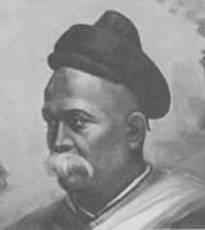
Mahadev Govind Ranade (1842) was a distinguished Indian scholar, social reformer, judge, and author, deeply involved in shaping the intellectual and political landscape of late 19thcentury India. Born in Niphad, Maharashtra, Ranade received a thorough education, culminating in a law degree. He then embarked on a multifaceted career that saw him excel both within the British colonial administration and as a fervent advocate for Indian progress. He served as a judge in the Bombay High Court, earning respect for his integrity and legal acumen. However, his contributions extended far beyond the courtroom.
Ranade was a prominent figure in the Indian National Congress, playing a crucial role in its early development and advocating for constitutional reforms. He believed in gradual, incremental change through dialogue and collaboration with the British government. His commitment to social reform was equally profound. He cofounded the Widow Remarriage Association and the Deccan Education Society, institutions dedicated to improving the lives of women and promoting modern education. He was a vocal critic of social evils like child marriage and caste discrimination, advocating for a more equitable and just society.
Ranade’s intellectual contributions were significant. He wrote extensively on Indian economics, history, and religion, offering insightful analyses of the country's challenges and potential. His work emphasized the importance of understanding India's past to build a better future. He believed in the synthesis of Western knowledge with Indian traditions to foster progress and national development. Mahadev Govind Ranade's legacy endures as a beacon of progressive thought and dedicated service to the nation. He remains a revered figure in Indian history, remembered for his commitment to justice, social reform, and intellectual advancement.
Family and Early Years
Personal Details
- 🎂 Date of Birth
- 18 January 1842
- 🌍 Place of Birth
- Niphad Maharashtra, India
- 👨👩👧👦 Family Details
- Spouse: Ramabai Ranade.
Early Career
- Mahadev Ranade embarked on his professional journey in the legal field quickly establishing himself as a respected figure.
- 🧑⚖️ Early Legal Career
- Ranade began his professional life as a judge. He initially served as a judge in various subordinate courts gaining practical experience in the Indian legal system. He became a Presidency Magistrate in Mumbai in 1871. His early career was marked by his dedication to upholding justice and his commitment to fair legal practices. He was associated with the Bombay High Court, where he eventually became a judge.
- ⚖️ First Major Role and its Significance
- Ranade's role as a judge within the Bombay High Court was his first major contribution. His judgments were notable for their erudition and fairness earning him respect within the legal community and among the public. His work was significant as it contributed to the development of legal precedents and promoted a more equitable application of the law.
- 🚧 Challenges Faced
- One of the main challenges Ranade faced was navigating the complexities of the British legal system while advocating for the rights and needs of the Indian population. He worked tirelessly to ensure that legal processes were just and accessible to all often encountering resistance from those who favored the status quo.
A Journey of Recognition
Career Journey
- Mahadev Ranade was a distinguished Indian scholar social reformer, judge, and author, whose profound impact spanned law, economics, history, and social reform.
- ⚖️ Early Legal and Academic Career
- After graduating Ranade served as an Oriental Translator to the Government, showcasing his linguistic skills. He then transitioned to teaching English and History at the Elphinstone College in Bombay, laying the foundation for his intellectual contributions. His legal career began in 1871, marking the start of his journey in the judiciary.
- 👨⚖️ Judicial Ascendancy and Legal Contributions
- Ranade served as a judge in various capacities culminating in his appointment to the Bombay High Court. He was renowned for his insightful judgments, often incorporating social and economic considerations. His deep understanding of law and his commitment to justice made him a respected figure in the legal community.
- ✍️ Economic and Historical Insights
- Ranade's intellectual curiosity extended beyond law. He was a pioneer in Indian economics advocating for policies that would promote industrialization and self-sufficiency. He also contributed significantly to the study of Maratha history, offering valuable insights into the region's past.
- 🤝 Social Reform and Advocacy
- Ranade was a prominent social reformer deeply involved in movements for widow remarriage, women's education, and the abolition of caste discrimination. He co-founded the Widow Marriage Association and the Deccan Education Society, demonstrating his commitment to social progress. His work within the Prarthana Samaj further solidified his role as a social reformer. He faced challenges from orthodox sections of society but remained steadfast in his beliefs.
- 🏛️ Legacy and Enduring Influence
- Ranade's legacy is multifaceted. He is remembered as a jurist economist, historian, and social reformer. His ideas and initiatives continue to inspire and influence scholars, activists, and policymakers in India. His work laid the groundwork for many of the social and economic reforms that followed in the 20th century.
Achievements and Milestones
- It appears Mahadev Govind Ranade did not receive formal awards or honors during his lifetime. His recognition came from his work and influence within the social reform movements and intellectual circles of his time.
- Therefore based on available information, there is no list of awards to provide.
- NA.
Additional Highlights
Contributions
- ⚖️ Legal and Judicial Reform
- ● Served as a judge in the Bombay High Court advocating for a more just and equitable legal system.
- ● Championed reforms to address the complexities and biases within the existing legal framework.
- ● Worked towards improving the accessibility of legal services for marginalized communities.
- 🌱 Social Reform and Advocacy
- ● Widow Remarriage Movement: Actively promoted and supported the remarriage of widows a cause considered radical at the time.
- ● Education Reform: Emphasized the importance of education for all particularly women, and advocated for its expansion.
- ● Religious Reform: Advocated for a more rational and ethical approach to religion challenging orthodox practices and promoting social harmony.
- 🇮🇳 Economic Development
- ● Emphasis on Industrialization: Believed in the importance of indigenous industries for economic self-reliance and advocated for policies to support them.
- ● Promotion of Cooperative Movements: Supported the formation of cooperative societies to empower farmers and artisans.
- ● Analysis of Economic Issues: Provided insightful analysis of economic challenges facing India and proposed solutions rooted in social justice.
- 📚 Literary and Intellectual Contributions
- ● Essays on Indian Economics: Wrote extensively on Indian economics providing a critical perspective on British economic policies.
- ● Historical Research: Conducted research on Maratha history and contributed to a deeper understanding of India's past.
- ● Promoter of intellectual discourse: Encouraged public debate and intellectual exchange on various social economic, and political issues.
- 🤝 Organizational Involvement
- ● Indian National Congress: One of the early leaders of the Indian National Congress contributing to the nationalist movement.
- ● Prarthana Samaj: Associated with the Prarthana Samaj a reformist Hindu society that advocated for monotheism and social reform.
- ● Social Conference: Founded the Indian National Social Conference which ran concurrently with the Indian National Congress, to address social reform issues.
Recent Work
- Mahadev Ranade was a prominent Indian scholar social reformer, judge, and author who passed away in 1901. His influence continues to be felt through his contributions to Indian economics, social justice, and intellectual thought.
- ● Late 19th Century: Served as a judge in the High Court advocating for judicial reforms and fair legal practices.
- ● Social Reform Movements: Actively involved in the Prarthana Samaj and the National Social Conference championing widow remarriage, women's education, and the abolition of child marriage.
- ● Economic Thought: A pioneer in Indian economics promoting indigenous industries and advocating for economic policies that would benefit Indian farmers and laborers. He analyzed Indian economic problems from a historical perspective.
- ● Literary Contributions: Authored numerous articles and books on Indian history economics, and social reform, leaving a lasting intellectual legacy.
- ● Key Collaborations: Worked closely with other reformers and intellectuals of his time including Gopal Krishna Gokhale, to advance social and political reforms in India.