
Mazharul Haque Family Tree
Mazharul Haque - A Lifestory
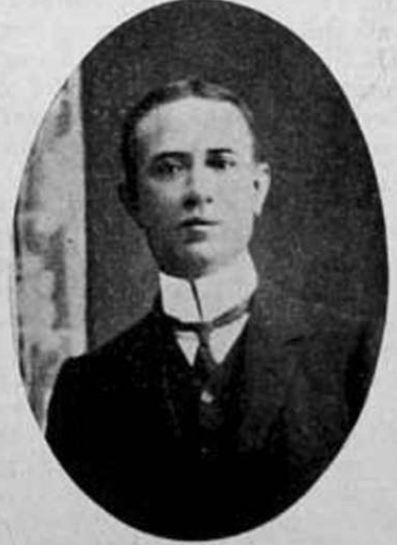
Mazharul Haque was a prominent figure in India's independence movement and a dedicated advocate for education and social reform. Born in 1866 in Bihar, he hailed from a family with a strong tradition of learning and social service. He pursued his early education locally before attending Patna College, where he was exposed to the burgeoning nationalist sentiments. Subsequently, he travelled to England to study law, becoming a barrister and further solidifying his understanding of Western political systems. Upon returning to India, Haque actively participated in the Indian National Congress, aligning himself with the moderate faction initially before embracing Mahatma Gandhi's philosophy of nonviolent resistance. He played a crucial role in the Champaran Satyagraha, assisting Gandhi in his efforts to address the grievances of indigo farmers.
Haque was a staunch believer in HinduMuslim unity and worked tirelessly to bridge the communal divide. He cofounded the Bihar Vidyapith, a national university, promoting education rooted in Indian culture and values, and served as its first ViceChancellor. He also established the Sadaqat Ashram in Patna, which became a center for nationalist activities and social service. Known for his simple lifestyle and unwavering commitment to his principles, Mazharul Haque dedicated his life to the cause of Indian independence and social upliftment. He passed away in 1930, leaving behind a legacy of selfless service and inspiring generations to strive for a just and equitable society. His contributions to education, social reform, and the freedom struggle continue to be remembered and celebrated in India.
Family and Early Years
Personal Details
- 🎂 Date of Birth
- 22 December 1866
- 🏠 Place of Birth
- Baharpura village near Maner, Patna district, Bihar
- 👨👩👧👦 Family Details
- His father was Shaikh Tayyab Ali. His wife's name was Qamrunnesa. He had a daughter named Badrunnesa.
- 🎓 Educational Background
- He completed his primary education in Patna. He then attended Patna Collegiate School and later studied law at Lincoln's Inn in London becoming a barrister.
Early Career
- Mazharul Haque embarked on his professional journey with a strong commitment to legal and social reform quickly gaining recognition for his dedication to public service.
- ⚖️ Early Legal Practice and Social Activism
- Haque initially established himself as a lawyer practicing law in Chapra. This provided him with a platform to engage with the pressing social issues of the time. His early career was deeply intertwined with the burgeoning Indian independence movement, aligning himself with organizations advocating for self-rule and social justice.
- 🇮🇳 Championing Education and Social Reform
- Haque's first major contribution was his tireless work in promoting education particularly among marginalized communities. He played a pivotal role in establishing educational institutions and advocating for reforms that aimed to uplift the downtrodden. One significant challenge he faced was overcoming the deeply entrenched social prejudices and resistance to change from conservative elements within society. He also grappled with limited resources and infrastructure, which hampered his efforts to expand educational opportunities to remote areas.
A Journey of Recognition
Career Journey
- A champion of education and social reform Mazharul Haque significantly advanced educational opportunities and championed social justice in Bihar during the Indian independence movement.
- ⚖️ Early Legal and Political Career:
- After establishing a successful legal practice Mazharul Haque's commitment to public service led him to actively participate in the Indian National Congress, where he advocated for social reform and Indian self-governance. He faced challenges balancing his legal career with his growing political activism but prioritized the cause of national liberation.
- 🏫 Pioneering Educational Initiatives:
- Haque played a pivotal role in establishing the Bihar Vidyapith in 1921 a national university promoting indigenous education and self-reliance, as a direct response to Gandhi's call for non-cooperation. His leadership as the Vidyapith's guiding force demonstrated his unwavering belief in education as a tool for social and political empowerment. He faced resource constraints and government opposition, but his determination ensured the institution's survival and impact.
- 🇮🇳 Championing Independence and Social Harmony:
- Haque emerged as a prominent figure in the Indian independence movement actively participating in Gandhi's non-cooperation movement and advocating for Hindu-Muslim unity. He used his influence to quell communal tensions and promote peaceful coexistence, demonstrating his commitment to a unified and inclusive India. His dedication to these principles often put him at odds with extremist factions, requiring him to navigate complex political landscapes.
- ✍️ Legacy of Social Justice and Education:
- Mazharul Haque's legacy rests on his contributions to education social reform, and the Indian independence movement, marked by his unwavering commitment to justice, equality, and national unity. His work continues to inspire educators, activists, and policymakers striving for a more just and equitable society. Despite facing numerous obstacles, he left an indelible mark on Bihar and the nation through his pioneering efforts in education and his tireless advocacy for social harmony.
Achievements and Milestones
- Awards and Recognition 🏆
- Based on available information Mazharul Haque received the following awards:
- ● Title:Deshratna.
Additional Highlights
Contributions
- A Champion of Education and Social Reform
- Mazharul Haque distinguished himself as a fervent advocate for education social justice, and Indian independence, leaving an indelible mark on Bihar and the nation.
- 🎓 Educational Pioneer
- ● Established schools and promoted modern education particularly among Muslims.
- ● Advocated for a curriculum that blended traditional Islamic learning with contemporary subjects.
- ● Worked to improve literacy rates and access to education for marginalized communities.
- 🇮🇳 Freedom Fighter and Nationalist
- ● Played a significant role in the Indian independence movement.
- ● Actively participated in the Non-Cooperation Movement.
- ● Used his influence to mobilize support for the cause of Swaraj.
- 🤝 Social Reformer
- ● Fought against social evils such as child marriage and the dowry system.
- ● Promoted communal harmony and worked to bridge the divide between different religious communities.
- ● Advocated for the empowerment of women and their inclusion in society.
- 🕊️ Advocate for Hindu-Muslim Unity
- ● Dedicated his life to fostering understanding and cooperation between Hindus and Muslims.
- ● Believed that a united India was essential for achieving true independence and progress.
- ● Worked tirelessly to prevent communal tensions and promote peaceful coexistence.
- 🏡 Establishment of Sadaqat Ashram
- ● Founded Sadaqat Ashram in Patna which served as a center for nationalist activities and social service.
- ● The Ashram became a hub for freedom fighters and a symbol of resistance against British rule.
- ● It also provided a platform for promoting Gandhian principles of self-reliance and social reform.
Death
- Mazharul Haque passed away on 02 January 1930.
Disclaimer
The information provided has been gathered from various sources and may have errors or discrepancies.
If you notice any inaccuracies, please let us know at support@imeuswe.in

