

Radhakanta Deb Family Tree
Radhakanta Deb - A Lifestory
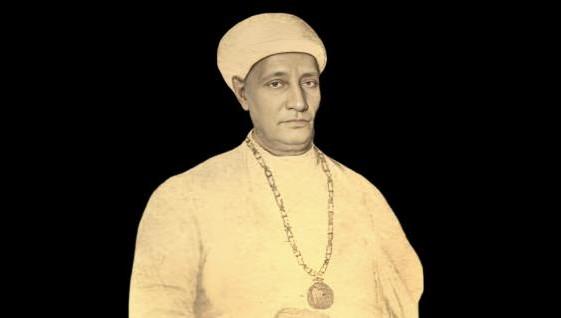
Radhakanta Deb was a prominent figure in 19thcentury Bengal, renowned for his scholarship, social reform efforts, and unwavering commitment to traditional Hindu values. Born into the Shobhabazar Raj family, a lineage known for its wealth and influence, he received a comprehensive education encompassing Sanskrit, Persian, Arabic, and English. This multilingual proficiency equipped him to engage with a wide range of intellectual and cultural currents of his time.
Deb played a significant role in the intellectual landscape of Bengal. He was a dedicated scholar of Hindu scriptures and philosophy, actively promoting the study and preservation of traditional knowledge. He established and supported numerous educational institutions, including Sanskrit colleges and schools, aiming to cultivate a new generation of scholars grounded in classical learning. His magnum opus, the Shabda Kalpadruma, a comprehensive Sanskrit encyclopedia, stands as a testament to his scholarly dedication and remains a valuable resource for Indologists.
Beyond his academic pursuits, Deb was actively involved in social and religious debates. While a staunch defender of traditional Hindu customs and practices, he was also a pragmatic reformer who recognized the need for social progress. He advocated for female education and the abolition of sati, demonstrating a nuanced approach to social change. He was a key figure in the Dharma Sabha, an organization formed to counter the reformist agenda of the Brahmo Samaj, highlighting the complex dynamics of religious and social reform in 19thcentury Bengal. His life and work exemplify the tensions between tradition and modernity that characterized this transformative period in Indian history.
Family and Early Years
Personal Details
- 🎂 Date of Birth
- 03 October 1784
- 📍 Place of Birth
- Calcutta India
- 👨👩👧👦 Family Details
- Radhakanta Deb was the adopted son of Gopinath Deb who belonged to the Sobhabazar Raj family. His father's name was Ashutosh Deb. He married twice and had sons. Details of his wives' names are not provided, but his sons included Rajendra Narayan Deb, Narendra Krishna Deb, and Debendra Krishna Deb.
- 🎓 Educational Background
- Radhakanta Deb was a scholar of Sanskrit Persian, and Arabic. He was also wellversed in English.
Early Career
- Radhakanta Deb began his journey immersed in the study of Sanskrit and Bengali literature quickly establishing himself as a scholar.
- 📚 Early Scholarly Pursuits
- Radhakanta Deb embarked on his professional path through his deep engagement with traditional learning. He became proficient in Sanskrit and Bengali demonstrating a keen interest in literature and religious texts. He was associated with the Asiatic Society.
- ✍️ First Major Contribution
- One of his first major contributions was his involvement in compiling and publishing significant Sanskrit texts. His role was pivotal in preserving and disseminating ancient knowledge. This work was significant because it made previously inaccessible texts available to a wider audience contributing to the revival of interest in classical Indian literature and philosophy.
- 🚧 Challenges Faced
- He encountered challenges related to accessing and authenticating ancient manuscripts. There were also obstacles related to funding and logistical support for such large-scale publishing projects. Navigating the complexities of traditional scholarship while adapting to modern printing technologies presented a significant hurdle.
A Journey of Recognition
Career Journey
- Radhakanta Deb was a scholar leader, and reformer who championed education and social progress while upholding traditional values in 19th-century India.
- 📚 Early Recognition as a Scholar and Leader
- After establishing himself as a respected figure through his profound Sanskrit scholarship and leadership within the orthodox Hindu community Radhakanta Deb became a key figure in bridging traditional learning with modern education.
- 🏛️ Championing Education and Social Reform
- Radhakanta Deb significantly contributed to the establishment and support of numerous educational institutions including the Hindu College (later Presidency College), advocating for incorporating Western education while preserving traditional Indian values. He actively participated in debates surrounding social reforms, often advocating for gradual change within the framework of Hindu traditions.
- ✍️ Author and Advocate for Traditional Values
- Deb's influential roles included his authorship of the Sanskrit lexicon Shabda Kalpadruma a monumental work that showcased his profound knowledge of Sanskrit and Hindu scriptures. He also served as president of the Dharma Sabha, using his position to advocate for the preservation of traditional Hindu customs and values while engaging in discussions on social reform.
- 🤝 Navigating Tradition and Modernity
- Radhakanta Deb faced the challenge of reconciling traditional values with the emerging modern Western-influenced society. He adeptly navigated this complex landscape by advocating for reforms that aligned with Hindu principles. His ability to engage in intellectual debates, support educational initiatives, and lead influential organizations cemented his legacy as a pivotal figure in 19th-century India, shaping the discourse on education, social reform, and the preservation of cultural heritage.
Achievements and Milestones
- Awards and Titles 🏆
- ● Raja Bahadur: This was a hereditary title conferred upon Radhakanta Deb's family.
- ● Maharaja Bahadur: This was another title of honor and distinction.
Additional Highlights
Contributions
- A champion of education and social reform Radhakanta Deb bridged tradition and modernity in 19th-century India.
- 🏫 Promotion of Education
- ● Radhakanta Deb was a strong advocate for modern education believing it essential for the progress of Indian society.
- ● He actively supported the establishment and maintenance of schools and colleges promoting the study of both Western and traditional Indian subjects.
- ● He played a key role in the Calcutta School Book Society contributing to the creation and dissemination of educational materials.
- 📜 Advocate for Social Reform
- ● While deeply rooted in tradition Radhakanta Deb was not averse to social reform.
- ● He advocated for the improvement of the status of women and supported efforts to abolish harmful social customs.
- ● He was a strong opponent of Sati (widow immolation) and actively campaigned against it.
- 🤝 Philanthropic Activities
- ● Radhakanta Deb was known for his generosity and philanthropic activities.
- ● He made significant donations to various charitable organizations and institutions supporting causes related to education, healthcare, and poverty alleviation.
- ● He provided financial assistance to students and scholars enabling them to pursue their studies.
- ✍️ Cultural Influence
- ● Radhakanta Deb was a patron of the arts and culture supporting traditional Indian music, dance, and literature.
- ● He played a vital role in preserving and promoting Indian cultural heritage.
- ● He authored several books and articles on religious and philosophical subjects contributing to the intellectual discourse of his time.
Death
- Radhakanta Deb passed away on 19 April 1867.