

Raj Khosla Family Tree
Raj Khosla - A Lifestory
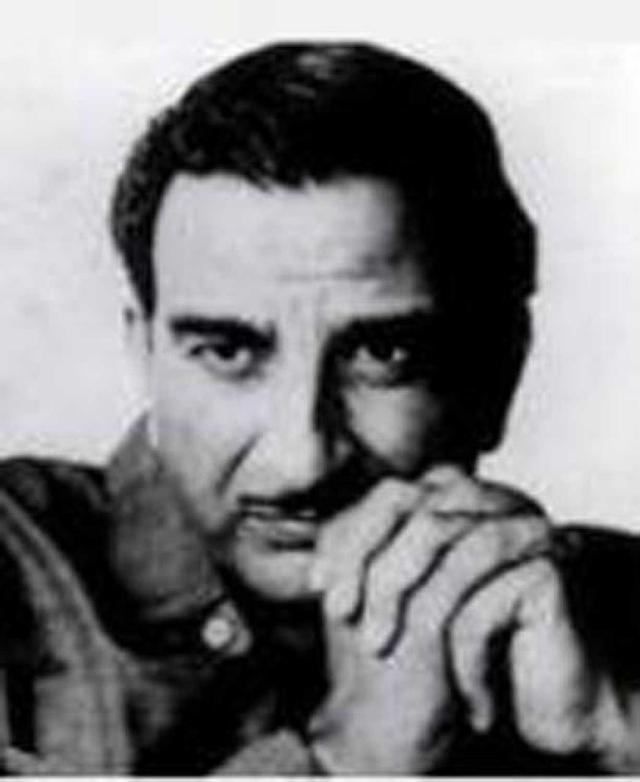
Raj Khosla was a prominent figure in Indian cinema, renowned for his contributions as a director, producer, and writer. He is particularly celebrated for his mastery of suspense and thriller genres, often drawing inspiration from Hollywood noir films. Khosla's directorial style was characterized by its visual flair, innovative camera angles, and atmospheric storytelling, which set him apart from his contemporaries. He began his career as an assistant director to Guru Dutt, a pivotal experience that undoubtedly shaped his understanding of filmmaking.
Throughout his career, Khosla directed numerous successful films, many of which are considered classics today. He had a knack for extracting compelling performances from his actors and actresses, creating memorable characters that resonated with audiences. His films often featured strong female characters, a notable aspect of his work. Khosla's contribution extended beyond directing; he also produced and wrote several of his films, showcasing his multifaceted talent and control over his artistic vision. His impact on Indian cinema is undeniable, influencing subsequent generations of filmmakers with his distinctive style and storytelling techniques. Khosla's legacy continues to endure, with his films remaining popular and studied for their cinematic artistry and enduring appeal.
Family and Early Years
Personal Details
- 🎂 Date of Birth
- 31 May 1925
- 🏠 Place of Birth
- Ludhiana Punjab, British India
- 👨👩👧👦 Family Details
- Spouse: Shakuntala Khosla
- Children: Two sons one daughter.
Early Career
- 🎬 Early Foray into Filmmaking
- Raj Khosla's journey into the world of cinema began with a deep passion and a desire to tell stories through the visual medium. He started his career assisting prominent filmmakers learning the nuances of direction, scriptwriting, and production. This initial phase was crucial in shaping his understanding of the industry and honing his skills.
- ✍️ Initial Writing and Directional Assistance
- His early career involved actively participating in various aspects of filmmaking from script development to on-set direction. He gained valuable experience by working on different film projects, absorbing the intricacies of the craft and building a strong foundation for his future endeavors.
- 🌟 Overcoming Early Hurdles
- Establishing himself in the film industry was not without its challenges. He faced the typical obstacles of breaking into a competitive field including securing funding for projects, gaining recognition for his talent, and navigating the complex dynamics of film production. Persistence and a strong belief in his vision were key to overcoming these early hurdles.
A Journey of Recognition
Career Journey
- Raj Khosla was a master of suspense and style leaving an indelible mark on Indian cinema through his innovative filmmaking.
- 🎬 Early Directorial Success & Recognition: After assisting Guru Dutt Khosla debuted with Milap (1955), but it was C.I.D. (1956) that catapulted him to fame, establishing his signature suspenseful style and showcasing his ability to extract stellar performances. His early success cemented his position as a prominent director in the Hindi film industry.
- 🌟 The Golden Era of Suspense Thrillers: Following C.I.D. Khosla directed a string of successful suspense thrillers like Kala Pani (1958), Bambai Ka Babu (1960), and Woh Kaun Thi? (1964). These films were characterized by their tight plots, atmospheric visuals, and memorable songs, solidifying his reputation as the "King of Suspense." He also introduced Sadhana Shivdasani with her iconic "Sadhana Cut" in Love in Simla (1960), influencing fashion trends.
- 🎭 Diversification and Expansion: While known for suspense Khosla also directed films in other genres, showcasing his versatility. He directed Do Badan (1966), a tragic love story that won several awards, and Mera Gaon Mera Desh (1971), an action-packed rural drama that became a major hit. This period demonstrated his ability to adapt to changing audience tastes and experiment with different cinematic styles.
- 🏆 Late Career and Continued Influence: Khosla continued to direct films throughout the 1970s and 1980s though his later work didn't achieve the same critical acclaim as his earlier films. However, his contribution to Indian cinema remained significant. His innovative techniques in filmmaking and his ability to create suspenseful narratives continue to influence filmmakers today. His films are remembered for their stylish visuals, strong performances, and memorable music, leaving a lasting legacy in the world of Indian cinema.
Achievements and Milestones
- Here's a list of awards received by Raj Khosla:
- 🏆 Filmfare Awards
- ● 1969 - Best Director for Do Raaste.
Additional Highlights
Contributions
- A Master of Suspense and Style: Raj Khosla carved a unique niche in Indian cinema renowned for his stylish thrillers and exceptional storytelling.
- 🎬 Stylish Thrillers:
- ● Khosla was a pioneer in bringing the suspense thriller genre to the forefront of Indian cinema.
- ● His films were known for their taut plots unexpected twists, and stylish visuals, setting a new standard for filmmaking.
- ● He masterfully used suspense and intrigue to keep audiences on the edge of their seats.
- 🎶 Musical Sensibility:
- ● Khosla had a keen ear for music and incorporated memorable songs into his films that became classics.
- ● He worked with legendary composers to create soundtracks that enhanced the emotional impact of his stories.
- ● The integration of music was not just ornamental but integral to the narrative flow and character development.
- 🌟 Women-Centric Narratives:
- ● While working within the thriller genre Khosla often presented strong female characters who were central to the plot.
- ● He explored the complexities of female characters giving them agency and depth beyond typical portrayals.
- ● This approach contributed to a more nuanced and progressive representation of women in Indian cinema.
Death
- Raj Khosla passed away on 09 June 1991.
Did you find this lifestory interesting?