

Raja Varma Family Tree
Raja Varma - A Lifestory
Varma: Masterful Strokes, Timeless Art, Captivating Hearts, Forever Immortal
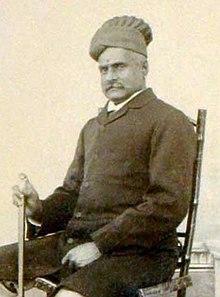
Raja Varma was a prominent Indian painter renowned for his contributions to modern Indian art. Born into an aristocratic family, his artistic talent was evident from a young age. He received formal training in traditional Indian art forms, mastering techniques passed down through generations. Early in his career, he focused on depicting scenes from Hindu mythology and Indian epics, bringing these narratives to life with vibrant colors and meticulous detail. His paintings often featured gods, goddesses, and heroic figures, capturing their essence and conveying their stories to a wide audience.
Varma's artistic style blended traditional Indian aesthetics with European academic art techniques, creating a unique visual language that resonated with both Indian and Western audiences. He skillfully employed oil paints, a medium relatively new to Indian art at the time, to achieve a level of realism and depth that was previously unseen. This fusion of styles allowed him to portray Indian subjects with a new level of sophistication and grandeur, elevating the status of Indian art on the global stage.
Beyond mythological paintings, Varma also created numerous portraits of Indian royalty and prominent figures. These portraits showcased his ability to capture not only the physical likeness of his subjects but also their character and personality. His portraits were highly sought after by the elite, further solidifying his reputation as one of India's leading artists. Varma's legacy extends beyond his individual works; he played a crucial role in popularizing art in India by establishing a printing press that massproduced affordable reproductions of his paintings. This made art accessible to the common people, fostering a greater appreciation for Indian culture and heritage.
Family and Early Years
Personal Details
- 🎂 Birth Details
- Raja Varma was born on 29 April 1848.
Early Career
- Raja Varma's artistic journey commenced with a foundation in traditional art forms quickly evolving into a pursuit of innovative techniques and a distinctive style that would later define their work.
- 🎨 Early Artistic Explorations
- Initially Raja Varma honed their skills through rigorous training and observation, mastering the fundamentals of painting. Their early works reflected a deep understanding of classical art principles, characterized by meticulous detail and a keen eye for capturing the essence of their subjects. These formative years were marked by experimentation with various mediums and styles, gradually paving the way for their unique artistic voice to emerge.
- 🌟 First Major Opportunity
- Raja Varma's first significant opportunity arrived with a prestigious commission to create a series of paintings depicting scenes from Indian epics. This project a collection of artworks, allowed them to showcase their ability to blend traditional themes with their own artistic interpretation.
- 📢 Public Reception
- The debut was met with widespread acclaim lauded for its exquisite detail, vibrant colors, and evocative portrayal of mythological narratives. The paintings resonated deeply with the public, establishing Raja Varma as a prominent figure in the art world and garnering recognition from critics and patrons alike.
- 🚧 Overcoming Challenges
- Despite the initial success Raja Varma faced considerable challenges in establishing themselves. The art world was often resistant to new styles and approaches, and gaining acceptance required unwavering dedication and perseverance. Financial constraints and limited access to resources further complicated their journey, demanding resourcefulness and a strong belief in their artistic vision.
A Journey of Recognition
Career Journey
- Raja Varma was an Indian painter celebrated for his realistic and evocative depictions of Indian mythology and women bridging traditional art with European academic techniques.
- 🎨 Early Acclaim and Artistic Foundations: Following initial recognition Raja Varma dedicated himself to mastering oil painting techniques and developing his signature style, blending Western academic art with Indian themes. He received commissions from Indian royalty and the British administration, solidifying his reputation.
- 🖼️ Landmark Creations and National Recognition: Varma's career was defined by his iconic paintings depicting scenes from the Mahabharata Ramayana, and Puranas. His works, like "Shakuntala," "Nair Lady Adorning Her Hair," and "Hamsa Damayanti," gained widespread acclaim and became integral to Indian visual culture.
- 🤝 Ventures into Lithography and Accessibility: A significant shift involved Raja Varma establishing a lithographic press in 1894. This venture aimed to make art accessible to the masses by producing affordable reproductions of his paintings democratizing art ownership in India.
- 🌟 Critical and Commercial Success: Varma achieved both critical acclaim and commercial success throughout his career. His paintings were celebrated for their beauty realism, and ability to capture the essence of Indian culture. The lithographic press further amplified his reach, making him a household name and solidifying his legacy as one of India's most influential artists.
Achievements and Milestones
- Awards & Recognition 🏆
- ● Veera Shrinkhala Award: Received from the British Viceroy Lord Curzon.
- ● Kaiser-i-Hind Gold Medal: Awarded by the British government.
Additional Highlights
Contributions
- Raja Varma a master of vibrant storytelling through brushstrokes, redefined Indian art with his captivating portrayals of mythology and everyday life.
- 🎨 Artistic Contributions
- Raja Varma democratized art by making affordable lithographs of his paintings bringing fine art to the masses.
- His paintings blended European academic art techniques with Indian subjects creating a unique and influential style.
- He is renowned for his depictions of Hindu deities and scenes from the epics which have become iconic representations in Indian popular culture.
- 🏛️ Cultural Influence
- Varma's work played a significant role in shaping the visual representation of Indian identity and mythology.
- His paintings were widely used in calendars and advertisements further popularizing his art and influencing public perception of Indian culture.
- He established a printing press to reproduce his paintings contributing to the growth of the Indian printing industry.
- 💼 Entrepreneurial Ventures
- Raja Varma established a lithographic press in Ghatkopar Mumbai, to mass-produce his paintings, making art accessible to a wider audience.
- This venture although eventually unsuccessful, demonstrated his innovative approach to art and his desire to reach the common people.
Death
- Raja Varma passed away on 02 October 2006.
Frequently Asked Questions
Raja Varma is a well-known figure recognised for their role in Legendary Artists of India — Music, Dance & Fine Arts.
Raja Varma is known as a PAINTER, recognised under Legendary Artists of India — Music, Dance & Fine Arts.
Raja Varma is remembered as "Varma: Masterful Strokes, Timeless Art, Captivating Hearts, Forever Immortal" — a reflection of their achievements and impact.
Raja Varma was born on 29 April 1848, and lived to the age of 158.
Raja Varma's zodiac sign is Taurus.
Raja Varma passed away on 2 October 2006.
You can read more about Raja Varma on Wikipedia.
Raja Varma is currently based in Kilimanoor Palace, Kilimanoor, Taluka Chirayinkeezhu, District Thiruvananthapuram, Kerala, India.
Raja Varma was a prominent Indian painter renowned for his contributions to modern Indian art.
Raja Varma's mother tongue is MALAYALAM.