
Ravi Shankar Family Tree
Ravi Shankar - A Lifestory
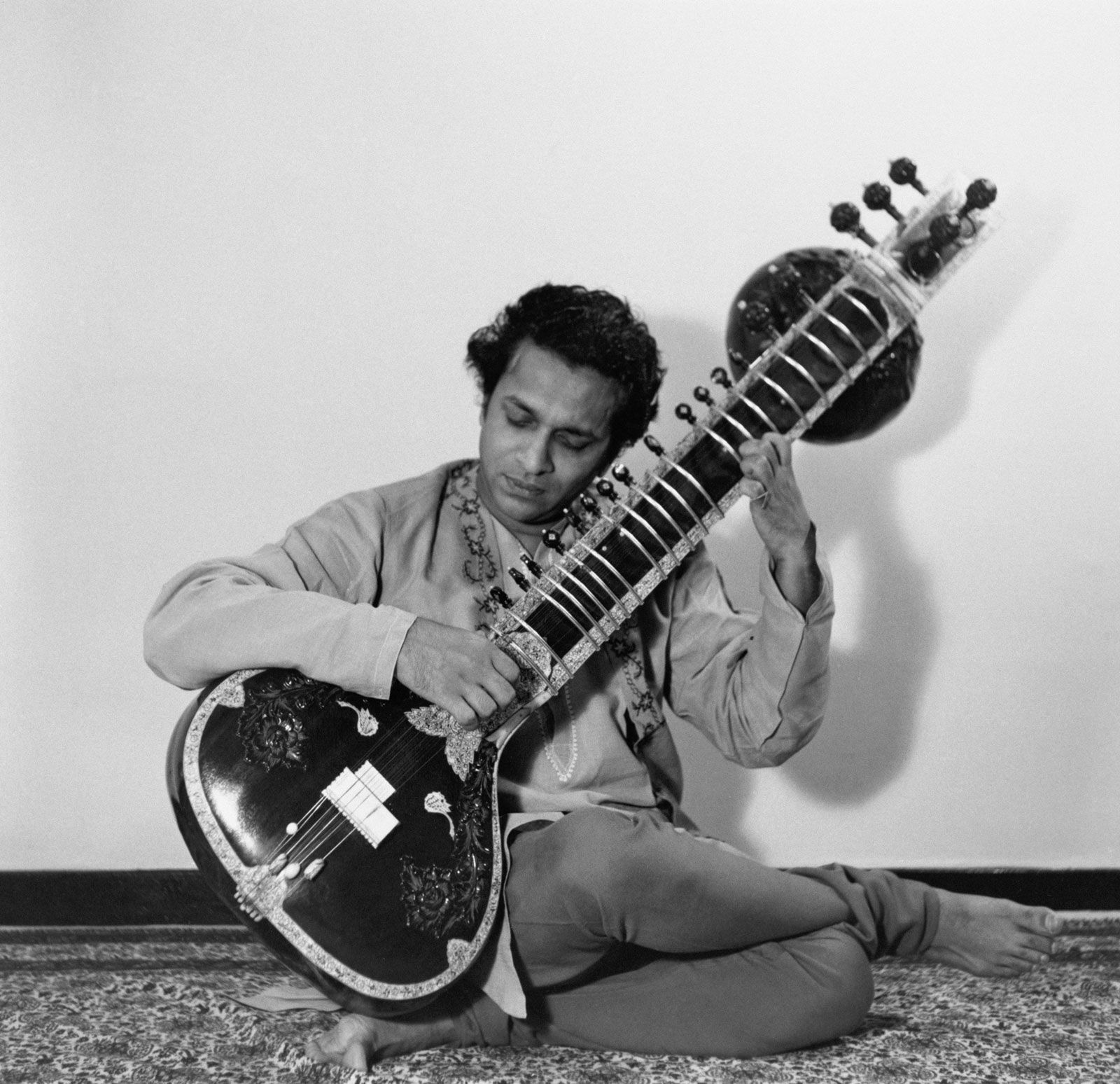
Ravi Shankar was a highly influential Indian musician and composer, best known for popularizing Hindustani classical music, particularly the sitar, in the Western world. Born in Varanasi, India, in 1920, he spent his youth traveling with his brother Uday Shankar's dance troupe, exposing him to various forms of music and dance. At the age of 18, he began his rigorous musical training under the renowned musician Ustad Alauddin Khan, a period that shaped his musical foundation and virtuosity on the sitar.
Shankar's career blossomed in the mid20th century, and he became a prominent figure in Indian classical music. He composed extensively for films, ballets, and orchestras, blending traditional Indian sounds with Western musical forms. His innovative approach to music earned him critical acclaim and numerous awards, including multiple Grammy Awards. However, it was his collaborations with Western musicians, particularly George Harrison of The Beatles, that propelled him to international fame.
His association with Harrison in the 1960s introduced the sitar and Indian classical music to a vast global audience, influencing popular music and sparking a surge of interest in Indian culture. Shankar toured extensively, performing at prestigious venues and music festivals worldwide, captivating audiences with his mesmerizing performances and profound understanding of music. Beyond performing, he dedicated himself to teaching, establishing music schools and mentoring aspiring musicians. He remained a significant cultural ambassador for India throughout his life, promoting crosscultural understanding through his music. Ravi Shankar passed away in 2012, leaving behind a rich legacy of musical innovation, cultural exchange, and a profound impact on the world of music.
Family and Early Years
Personal Details
- 🎂 Date of Birth
- 13 May 1956.
Early Career
- 🎸 Early Career Beginnings
- Ravi Shankar's professional journey began as a dancer with his brother Uday Shankar's dance troupe marking the start of his immersion into the world of performance and art.
- 💃 Joining Uday Shankar's Dance Troupe
- At the age of 10 Ravi Shankar joined his brother Uday Shankar's dance troupe. This association exposed him to extensive travels across India and Europe, performing Indian dance and music. This period served as an invaluable apprenticeship, providing him with a foundation in stagecraft, performance, and an early understanding of diverse cultural audiences. The troupe was a significant organization in the promotion of Indian culture abroad, and this early exposure was pivotal in shaping Shankar's artistic sensibilities.
- 🎼 First Major Contribution: Transition to Music
- While part of the dance troupe Ravi Shankar's interest gradually shifted from dance to music. He began training in Hindustani classical music, specifically the sitar, under the tutelage of Allauddin Khan. This transition marked his first major contribution, as he dedicated himself to mastering the instrument and its intricate musical traditions. The significance lies in his commitment to preserving and promoting Hindustani classical music, eventually becoming a leading figure in its popularization.
- 🚧 Challenges in Establishing Himself
- One of the main challenges Shankar faced was the rigorous and demanding training required to master the sitar. Hindustani classical music demands years of dedicated practice and a deep understanding of complex musical structures. Leaving the more glamorous and immediately rewarding world of dance for the discipline of classical music required immense dedication and perseverance. Furthermore establishing himself as a solo sitar player required him to carve out a niche in a musical landscape already populated by established masters.
A Journey of Recognition
Career Journey
- A sitar virtuoso who popularized Indian classical music globally Ravi Shankar bridged Eastern and Western cultures, leaving an enduring legacy of musical innovation and collaboration.
- 🎶 Early International Recognition and Rise to Fame
- After gaining recognition in India Ravi Shankar embarked on international tours in the 1950s and 60s, captivating audiences with his sitar playing and Indian classical music. His performance at the 1967 Monterey International Pop Festival and his association with The Beatles catapulted him to global fame, introducing Indian music to a wider Western audience.
- 🤝 Collaboration and Fusion
- Shankar's major contribution was his role in popularizing Indian classical music in the West and his pioneering work in musical fusion. He collaborated with Western musicians like Yehudi Menuhin and Philip Glass creating innovative cross-cultural musical experiences. His "Concerto for Sitar and Orchestra" with the London Symphony Orchestra was a landmark project, blending Indian and Western musical traditions.
- ✍️ Teaching and Composition
- Shankar established the Kinnara School of Music in Bombay and Los Angeles dedicated to teaching Indian classical music. He composed extensively for sitar, orchestras, and film, including the scores for Satyajit Ray's "Apu Trilogy." He served as a cultural ambassador for India, promoting understanding and appreciation of Indian arts and culture worldwide. A significant decision was his commitment to preserving the purity of Indian classical music while also exploring its potential for fusion with other genres.
- 🏆 Awards and Honors
- Shankar faced the challenge of balancing his artistic vision with the expectations of his audience. He adapted by remaining true to his classical roots while embracing new musical forms and collaborations. Over time his impact deepened as he became a respected figure in both Indian and Western music circles. His legacy is defined by his role as a bridge between cultures and his enduring contribution to the world of music, evidenced by numerous awards including the Bharat Ratna, India's highest civilian honor, and multiple Grammy Awards.
Achievements and Milestones
- Here's a list of awards received by Ravi Shankar:
- 🇮🇳 Indian National Awards
- ● 1961 - Sangeet Natak Akademi Award
- ● 1962 - Padma Bhushan
- ● 1968 - Doctor of Laws (Honorary) from Hindu University Varanasi
- ● 1975 - Desikottam
- ● 1981 - Padma Vibhushan
- ● 1997 - Bharat Ratna
- 🌎 International Awards & Honors
- ● 1964 - Honorary Degree University of California, Los Angeles
- ● 1968 - Ramon Magsaysay Award
- ● 1976 - Fellow of the Sangeet Natak Akademi
- ● 1990 - Fukuoka Prize
- ● 1996 - Praemium Imperiale
- ● 1997 - Polar Music Prize
- ● 1999 - UNESCO International Music Prize
- ● 2001 - Honorary Knight Commander of the Order of the British Empire
- ● 2005 - George Peabody Medal
- 🎶 Grammy Awards
- ● 1967 - Best Chamber Music Performance - West Meets East (with Yehudi Menuhin)
- ● 1973 - Album of the Year - The Concert for Bangladesh (with George Harrison & Friends)
- ● 2001 - Best World Music Album - Full Circle: Carnegie Hall 2000
- ● 2013 - Best World Music Album - The Living Room Sessions Pt. 1 (Posthumous)
- 훈 Honorary Doctorates
- ● Several honorary doctorates from universities in India and the United States.
Additional Highlights
Contributions
- 🎶 Pioneering the Globalization of Indian Classical Music
- ● Bridging East and West: Ravi Shankar is renowned for his pivotal role in popularizing Indian classical music in the West. He collaborated with Western musicians most notably George Harrison of The Beatles, introducing the sitar and Indian musical concepts to a global audience.
- ● World Music Pioneer: He created a unique fusion of Indian and Western musical traditions leading to the genre of world music. His collaborations transcended cultural boundaries and enriched the global music scene.
- 🎼 Musical Innovations and Compositions
- ● New Ragas and Orchestral Works: Shankar composed several new ragas and experimented with orchestral arrangements expanding the repertoire and scope of Indian classical music.
- ● Film Scores and Ballets: He composed music for numerous films including Satyajit Ray's "Apu Trilogy," and ballets, showcasing his versatility as a composer.
- 🌍 Cultural Ambassador and Educator
- ● Teaching and Mentorship: Shankar dedicated a significant part of his career to teaching and mentoring students establishing schools and programs to preserve and promote Indian classical music.
- ● Concerts and Performances: He performed extensively worldwide introducing audiences to the intricacies and beauty of Indian classical music through captivating concerts and recitals.
- 🕊️ Advocacy for Peace and Understanding
- ● Concerts for Charitable Causes: Ravi Shankar used his music to raise awareness and funds for various charitable causes including UNICEF and disaster relief efforts.
- ● Promoting Cultural Exchange: Through his music and collaborations he fostered cross-cultural understanding and promoted a message of peace and unity.
Recent Work
- Here's a summary based on the provided information:
- A legendary figure in Indian classical music he remains an influential icon even posthumously. His legacy continues to inspire musicians worldwide through his compositions and teachings.
- ● Recent Career Update: Though deceased his music continues to be re-released and celebrated, introducing new generations to his artistry. His influence on world music remains profound, with musicians across genres citing him as an inspiration.
- ● Recent Projects or Roles: Posthumous releases of archival recordings and re-mastered albums keep his music alive. His compositions are frequently performed by orchestras and ensembles globally ensuring his continued presence in the music world. His foundation continues to promote Indian classical music and support young musicians.
- ● Collaborations and Alliances: His past collaborations with Western musicians like George Harrison significantly bridged the gap between Indian and Western music. These collaborations continue to be celebrated and studied for their innovative approach to cross-cultural musical exchange.
Disclaimer
The information provided has been gathered from various sources and may have errors or discrepancies.
If you notice any inaccuracies, please let us know at support@imeuswe.in

