

Shahu I Family Tree
Shahu I - A Lifestory
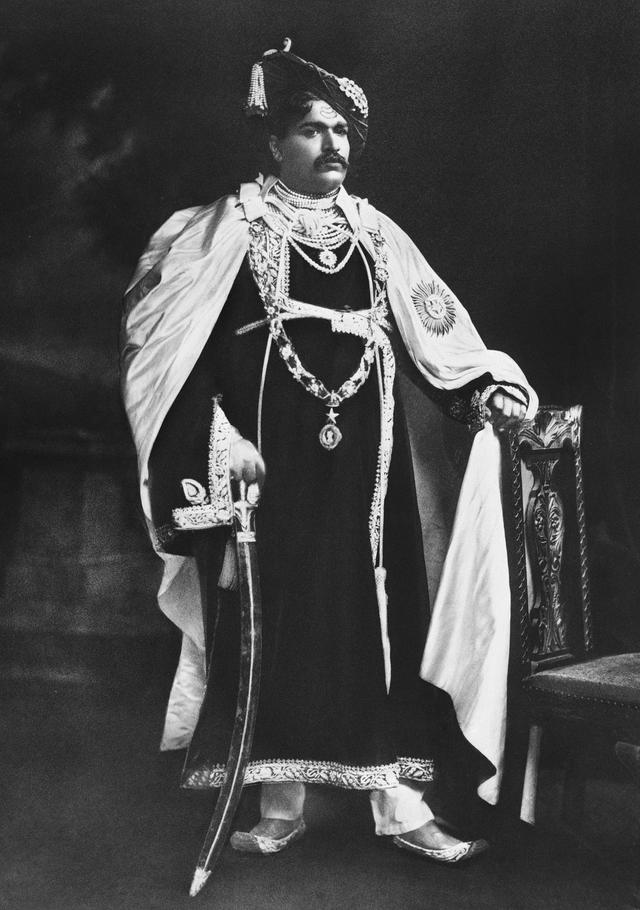
Shahu I, also known as Chhatrapati Shahu Maharaj, played a significant role in the history of the Maratha Empire. Born as Shivaji II, he was the grandson of the great Shivaji Maharaj, the founder of the Maratha Empire, and the son of Sambhaji Maharaj. His early life was marked by the turbulent political landscape of the empire. Following his father's brutal execution by the Mughal Emperor Aurangzeb, Shahu was captured and held as a prisoner in the Mughal court for several years. This captivity had a profound impact on his upbringing and exposed him to Mughal courtly culture.
Upon Aurangzeb's death in 1707, Shahu was released by the Mughals as a strategic move to create discord within the Maratha ranks. This political maneuver proved successful, as Shahu's return ignited a power struggle with his aunt, Tarabai, who had been ruling the Maratha Empire in the name of her son, Shivaji II. This conflict, known as the Maratha War of Succession, lasted for several years and significantly weakened the empire.
Eventually, Shahu emerged victorious, establishing his authority as the Chhatrapati and consolidating his rule. However, recognizing the need for effective administration and military strength, Shahu appointed Balaji Vishwanath as his Peshwa (Prime Minister). This appointment marked a turning point in Maratha history, as the Peshwas gradually gained more power and influence, effectively transforming the Maratha Empire into a confederacy under their leadership. Shahu's reign witnessed the expansion of the Maratha Empire under the capable leadership of the Peshwas. He is remembered for his political acumen in navigating the complex power dynamics of the time and for laying the foundation for the Peshwa era, which saw the Maratha Empire reach its zenith.
Family and Early Years
Personal Details
- 🎂 Date of Birth
- 18 May 1682
- 👨👩👧👦 Family Details
- Father: Sambhaji
- Spouse: Maharani Sakvarbai.
Early Career
- 👑 Early Ascension to the Maratha Throne
- Shahu I's professional journey began at a very young age thrust into the complex world of Maratha politics and succession disputes. His early life was marked by captivity under the Mughal Empire, a situation that significantly shaped his initial experiences and challenges.
- 🏰 Early Years of Captivity and Political Intrigue
- Shahu's early career was defined by his captivity in the Mughal court where he was held as a political hostage following the capture of his father, Sambhaji. This period, although restrictive, provided him with exposure to Mughal courtly life and political strategies. The primary organization influencing his early life was the Mughal Empire itself. The institution impacted his formative years and future reign.
- ⚔️ Claiming the Maratha Legacy: Challenges and Triumphs
- Shahu's first major role emerged upon the death of Aurangzeb and his subsequent release by Emperor Azam Shah. This event marked the beginning of his struggle to claim the Maratha throne which was already being contested by Tarabai, who ruled in the name of her son, Shivaji II. The significance of this period lies in the civil war that ensued between Shahu and Tarabai's forces, impacting the Maratha Empire. The main challenge Shahu faced was establishing his legitimacy and authority over the Maratha territories, a task complicated by Tarabai's established power and the internal divisions within the Maratha ranks.
A Journey of Recognition
Career Journey
- A pivotal Chhatrapati of the Maratha Empire Shahu I skillfully navigated internal conflicts and consolidated power, ensuring the continuation of Shivaji Maharaj's legacy amidst Mughal challenges.
- 👑 Early Reign and Consolidation of Power
- Upon his release from Mughal captivity Shahu faced immediate challenges in asserting his claim to the Maratha throne against Tarabai. He strategically allied with Balaji Vishwanath, a shrewd Peshwa, which proved instrumental in securing his position. This alliance marked the beginning of Peshwa dominance and a shift in Maratha governance.
- ⚔️ Expansion and Stabilization of the Maratha Empire
- Under Shahu's reign and largely through the efforts of the Peshwas, the Maratha Empire expanded significantly. He oversaw the consolidation of Maratha power across vast territories, effectively challenging Mughal authority and establishing Maratha dominance in the Deccan and beyond.
- 🤝 Delegating Authority and the Rise of the Peshwas
- A key decision during Shahu's reign was the delegation of administrative and military powers to the Peshwas. This system while contributing to the empire's expansion, also laid the groundwork for the Peshwa family to become de facto rulers. He appointed capable Peshwas like Balaji Vishwanath and later Baji Rao I, trusting their abilities to manage the empire's affairs.
- 📜 Legacy of a Pragmatic Ruler
- Shahu's legacy lies in his ability to navigate a complex political landscape and secure the future of the Maratha Empire. While he faced challenges from internal factions and external threats his pragmatic approach and reliance on skilled administrators ensured the continuation of Shivaji Maharaj's vision. His reign marked a significant transformation in Maratha governance, paving the way for the empire's further expansion and influence.
Achievements and Milestones
- Based on available information Shahu I did not receive formal awards in the modern sense. His recognition came through titles, positions, and the power he wielded as a ruler. Therefore, a list of "awards" in the traditional sense cannot be compiled.
- NA.
Additional Highlights
Contributions
- 🚩 Sustaining the Maratha Empire's Legacy
- ● Maintaining Stability: Shahu I inherited a kingdom fractured by internal conflicts and external threats after the death of Aurangzeb. His reign focused on consolidating power and preventing the disintegration of the Maratha Empire.
- ● Delegating Authority to the Peshwas: Recognizing his own limitations and the need for efficient administration Shahu I appointed Balaji Vishwanath as Peshwa (Prime Minister). This decision proved crucial, as the Peshwas effectively managed the empire's affairs and expanded Maratha influence.
- ● Establishing a System of Sardars: He implemented a system of assigning territories and responsibilities to prominent Maratha sardars (chieftains) who pledged loyalty to the throne. This helped in maintaining control over vast regions and securing military support.
- ⚖️ Justice and Administration
- ● Promoting Fair Governance: Shahu I strived to maintain a just and equitable administration ensuring the welfare of his subjects.
- ● Patronage of Religious Institutions: He supported various Hindu temples and religious institutions reflecting his commitment to traditional values and promoting social harmony.
- 🛡️ Military Support and Expansion
- ● Consolidating Maratha Gains: Under the leadership of the Peshwas Shahu I's reign saw the expansion of Maratha influence across the Indian subcontinent through military campaigns.
- ● Supporting Military Leaders: He provided resources and support to skilled military leaders like Balaji Vishwanath and his son Bajirao I enabling them to achieve significant victories.
Death
- Shahu I passed away on 15 December 1749.