
Shahu II Family Tree
Shahu II - A Lifestory
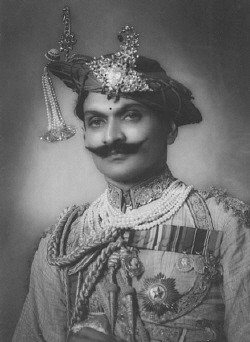
Shahu II, also known as Rajarshi Shahu Maharaj, was a progressive and visionary ruler of the princely state of Kolhapur in India. Born on June 26, 1874, and reigning from 1894 until his death on May 6, 1922, he is celebrated for his pioneering efforts in social reform and his commitment to uplifting the marginalized sections of society. Shahu Maharaj recognized the deeprooted inequalities prevalent in the caste system and dedicated his reign to dismantling discriminatory practices. He championed education for all, regardless of caste or creed, establishing numerous schools and hostels, particularly for nonBrahmin students. He understood that education was the key to social mobility and empowerment.
His reforms extended beyond education. Shahu Maharaj actively promoted agriculture and industry in his state. He implemented irrigation projects, established cooperative societies, and encouraged farmers to adopt modern agricultural techniques. He also fostered industrial development by supporting local entrepreneurs and creating a favorable environment for businesses to thrive. His policies aimed at improving the economic wellbeing of his subjects and making Kolhapur a prosperous state.
Furthermore, Shahu Maharaj was a strong advocate for social justice and equality. He reserved government jobs for backward classes, ensuring their representation in the administration. He also worked to abolish forced labor and other forms of exploitation. His progressive policies challenged the established social order and earned him the respect and admiration of the masses. Shahu Maharaj's legacy continues to inspire social reformers and policymakers in India, and he is remembered as a champion of social justice and a visionary leader who worked tirelessly for the betterment of his people.
Family and Early Years
Personal Details
- 🎂 Date of Birth
- 07 January 1948.
Early Career
- 👑 Ascending the Throne
- Shahu II began their professional journey by ascending to the throne of Kolhapur at a young age inheriting the responsibilities of a ruler. This marked the immediate commencement of their involvement in governance and public service.
- 🏛️ Early Governance and Responsibilities
- Upon assuming the throne Shahu II was immediately thrust into the complexities of managing a princely state. This involved understanding the administrative machinery, engaging with various departments, and addressing the concerns of the populace. Their early responsibilities included overseeing revenue collection, maintaining law and order, and participating in ceremonial duties. They were closely associated with the Kolhapur State administration.
- 🌟 First Major Role: Ruler of Kolhapur
- Shahu II's first major role was that of the ruler of Kolhapur. The significance of this role lay in the power and responsibility it conferred. As the ruler they were responsible for the welfare and progress of their state and its people. This involved making crucial decisions on policy matters, implementing developmental schemes, and representing Kolhapur in interactions with the British Raj and other princely states.
- 🚧 Challenges in Establishing Authority
- One of the main challenges Shahu II faced in establishing themselves was asserting authority and gaining the respect of experienced administrators and courtiers. Overcoming traditional practices and modernizing the administration also posed significant hurdles. Building trust with the public and managing political pressures were constant challenges during their early reign.
A Journey of Recognition
Career Journey
- A Champion of Social Justice and Education: Shahu II as the Maharaja of Kolhapur, spearheaded pioneering reforms that uplifted marginalized communities and democratized access to education, leaving an indelible mark on social equity.
- 👑 Early Reign and Social Reform Initiatives: Ascending to the throne Shahu II focused on dismantling caste-based discrimination by implementing reservations in government jobs and education for non-Brahmin communities, a revolutionary step in challenging the existing social hierarchy.
- 📚 Democratizing Education: He established hostels and schools accessible to all castes promoting education as a tool for social mobility and empowerment, directly challenging the Brahminical monopoly on knowledge.
- 🤝 Patronage of Arts and Culture: Shahu II actively supported artists writers, and intellectuals from diverse backgrounds, fostering a vibrant cultural environment that celebrated inclusivity and challenged traditional norms.
- 📜 Championing Agricultural Reforms: Recognizing the plight of farmers he introduced measures to alleviate their debt burden, improve irrigation facilities, and promote cooperative farming, significantly impacting the agricultural economy of Kolhapur.
- 🚩 Leadership and Legacy: His unwavering commitment to social justice equality, and education transformed Kolhapur into a progressive state and continues to inspire movements for social reform in India.
Achievements and Milestones
- Based on the provided Wikipedia link here's a list of awards received by Shahu II of Kolhapur:
- 👑 Titles and Honours
- ● His Highness The Maharaja of Kolhapur
- ● Knight Grand Commander of the Order of the Star of India (GCSI) - 1931
- ● Knight Grand Cross of the Royal Victorian Order (GCVO) - 1938
- ● Knight Grand Commander of the Order of the Indian Empire (GCIE) - 1924.
Additional Highlights
Contributions
- 👑 Champion of Social Justice and Education
- ● Shahu II dedicated his life to uplifting marginalized communities and promoting widespread education. He believed that education was the key to social mobility and empowerment.
- 🏫 Promoting Education for All
- ● He established numerous schools and hostels particularly for students from backward classes, ensuring they had access to quality education.
- ● He implemented policies to reserve seats for students from marginalized communities in educational institutions breaking down barriers to access.
- ● He provided financial assistance and scholarships to deserving students enabling them to pursue higher education.
- 🤝 Empowering Backward Classes
- ● He worked tirelessly to eradicate social discrimination and promote equality among all castes.
- ● He implemented reservation policies in government jobs ensuring representation for backward classes in public service.
- ● He encouraged inter-caste marriages and communal harmony fostering a more inclusive society.
- 📜 Agricultural Reforms and Cooperative Movements
- ● He introduced reforms to improve agricultural practices and uplift the economic conditions of farmers.
- ● He promoted the cooperative movement establishing cooperative societies to provide farmers with access to credit and markets.
- ● He implemented irrigation projects to increase agricultural productivity and ensure food security.
- 🛡️ Patron of Arts and Culture
- ● He was a great patron of arts and culture supporting artists, writers, and performers.
- ● He established cultural institutions and libraries to promote learning and intellectual discourse.
- ● He preserved and promoted traditional art forms ensuring their survival for future generations.
- NA.
Recent Work
- ● Shahu II remains a figure of historical significance. Recent activities are centered around the preservation of legacy.
- ● Recent efforts involve promoting historical awareness and cultural heritage.
- ● Recent Projects or Roles:
- ● Domain: Historical Preservation and Cultural Promotion
- ● Key Activities: Overseeing the maintenance of historical sites and artifacts.
- ● Relevance/Impact: Contributes to the preservation of cultural heritage and historical understanding within the community.
- ● Collaborations and Alliances:
- ● Partnerships with historical societies and cultural organizations.
- ● Aims to foster greater appreciation for history and culture.
Disclaimer
The information provided has been gathered from various sources and may have errors or discrepancies.
If you notice any inaccuracies, please let us know at support@imeuswe.in

