
Shantaram Vankudre Family Tree
Shantaram Vankudre - A Lifestory
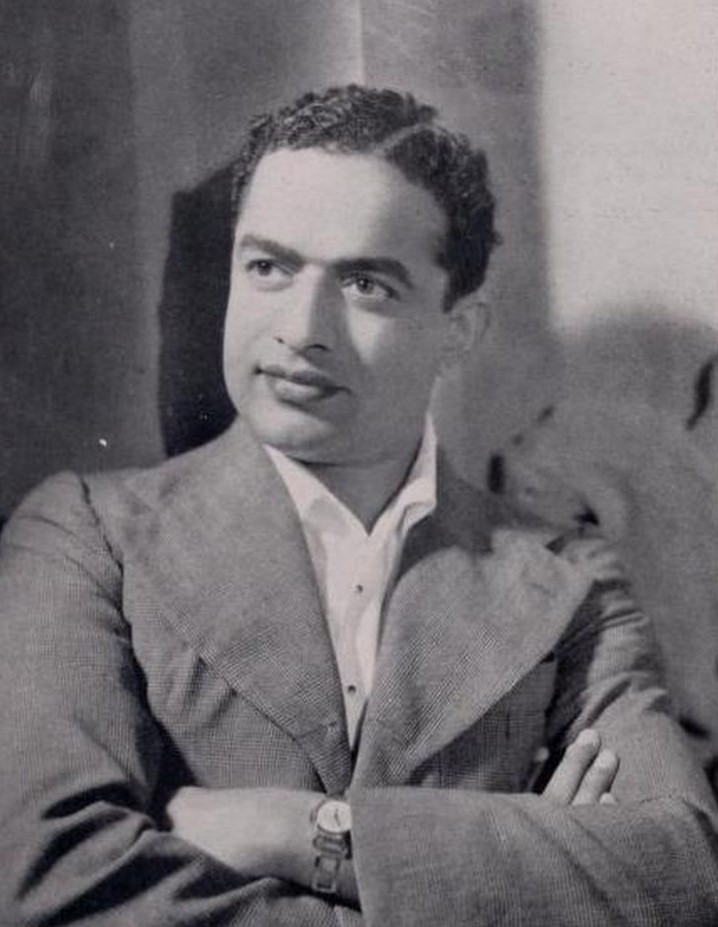
Shantaram Vankudre, more popularly known by his screen name, was a towering figure in Indian cinema, renowned as a director, producer, and actor. He left an indelible mark on the industry with his innovative filmmaking techniques and socially relevant themes. Born in Kolhapur, Maharashtra, his journey began in the early days of Indian cinema, where he honed his skills through various roles in stage productions and silent films. He quickly rose through the ranks, demonstrating a keen eye for storytelling and a passion for using cinema as a medium for social commentary.
His filmography boasts a diverse range of genres, from historical dramas to familyoriented narratives, often tackling issues such as caste discrimination, religious tolerance, and the importance of education. He was a pioneer in introducing technical innovations to Indian cinema, including the use of color and elaborate sets, enhancing the visual appeal and storytelling potential of his films. His dedication to quality and artistic integrity earned him numerous accolades, both nationally and internationally, solidifying his position as one of the most influential filmmakers in Indian history. Beyond his directorial prowess, he also established a successful film studio, which served as a platform for nurturing new talent and promoting independent filmmaking. His contributions extended beyond the screen, as he actively participated in various social and cultural initiatives, leaving a lasting legacy of artistic excellence and social responsibility.
Family and Early Years
Personal Details
- 🎂 Date of Birth
- 18 November 1901
- 🏠 Place of Birth
- Panvel British India
- 👨👩👧👦 Family Details
- Father: Vithal Vankudre.
Early Career
- Shantaram Vankudre embarked on his cinematic journey with a passion for visual storytelling quickly establishing himself as a prominent figure in the burgeoning Indian film industry.
- 🎬 Early Foray into Filmmaking
- He commenced his career doing odd jobs at the Maharashtra Film Company in Kolhapur owned by Baburao Painter. Starting with humble tasks, he gradually learned various aspects of filmmaking, from set design to acting. This immersive experience within the Maharashtra Film Company provided him with a foundational understanding of the industry.
- 🌟 First Major Role: Actor and Beyond
- His first significant role came as an actor but he soon transitioned into directing and production. A pivotal moment arrived when he took on the responsibility of directing films, showcasing his creative vision and technical skills.
- 🚧 Overcoming Initial Hurdles
- Establishing himself in the film industry was not without its challenges. He faced financial constraints technical limitations in the early days of filmmaking, and the need to convince audiences to embrace new cinematic forms. Gaining recognition and establishing a distinct artistic identity required perseverance and innovation.
A Journey of Recognition
Career Journey
- A visionary filmmaker V. Shantaram revolutionized Indian cinema with socially relevant themes and innovative techniques.
- 🎬 Early Recognition & Prabhat Film Company (1929-1942)
- After initial roles in various film-related jobs Shantaram's career truly ignited with the formation of Prabhat Film Company. Here, he directed and acted in several critically acclaimed and commercially successful films. His early work demonstrated a commitment to using cinema for social commentary, tackling issues like religious dogma and social injustice. This period established him as a director with a unique vision and a dedication to pushing cinematic boundaries.
- 🌟 Establishing Rajkamal Kalamandir (1942) & Independent Filmmaking
- Breaking away from Prabhat Shantaram founded Rajkamal Kalamandir, his own production house. This decision marked a pivotal point, granting him complete artistic control over his projects. It allowed him to explore subjects he was passionate about with even greater freedom. This era saw the creation of some of his most iconic films, solidifying his reputation as a pioneer of Indian cinema.
- 🏆 Socially Conscious Masterpieces & Technical Innovation
- At Rajkamal Shantaram consistently delivered films addressing pressing social issues. He fearlessly tackled themes of caste discrimination, women's rights, and societal hypocrisy. Simultaneously, he was a keen innovator, experimenting with color techniques, camera angles, and musical storytelling. These innovations, combined with his socially relevant narratives, made his films both entertaining and thought-provoking. He often played lead roles in his own films, further adding to his artistic vision.
- 🤝 Leadership Roles & Industry Influence
- Beyond filmmaking Shantaram held several leadership positions within the Indian film industry. He actively participated in organizations aimed at improving the working conditions and welfare of film workers. His influence extended beyond the screen, shaping the ethical and professional landscape of the industry. He was a strong advocate for the recognition and protection of artists' rights.
- 🏅 Later Career & Enduring Legacy
- Even in his later years Shantaram remained active, continuing to produce and direct films. He adapted to changing cinematic trends while staying true to his core values. His work continued to receive accolades and inspire generations of filmmakers. Shantaram's legacy lies not only in his impressive filmography but also in his unwavering commitment to using cinema as a tool for social change and artistic expression, making him a true icon of Indian cinema.
Achievements and Milestones
- Here's a list of awards received by V. Shantaram:
- 🏆 National Film Awards
- ● 1955: President's Silver Medal for Best Feature Film in Hindi - Jhanak Jhanak Payal Baaje
- ● 1957: President's Silver Medal for Best Feature Film in Hindi - Do Ankhen Barah Haath
- ● 1958: President's Gold Medal for Best Feature Film in Hindi - Do Ankhen Barah Haath
- ● 1960: President's Silver Medal for Best Feature Film in Hindi - Navrang
- ● 1964: President's Gold Medal for Best Feature Film - Geet Gaya Patharon Ne
- 🏅 International Awards
- ● 1958: Samuel Goldwyn Award - Do Ankhen Barah Haath
- ● 1958: Berlin International Film Festival - OCIC Award - Do Ankhen Barah Haath
- 🎖️ Other Awards and Honors
- ● 1985: Dadasaheb Phalke Award
- ● 1992: Padma Vibhushan (Posthumous).
Additional Highlights
Contributions
- A cinematic visionary Shantaram Vankudre, revolutionized Indian cinema with his socially relevant themes and innovative filmmaking techniques.
- 🎬 Pioneering Socially Conscious Cinema
- ● Vankudre fearlessly tackled pressing social issues in his films challenging societal norms and sparking public discourse.
- ● His movie Duniya Na Mane (1937) critiqued the practice of forced marriages while Dahej (1950) addressed the evils of the dowry system.
- ● Through powerful storytelling he aimed to raise awareness and inspire social reform.
- 🎭 Innovative Filmmaking Techniques
- ● Vankudre was a master of visual storytelling experimenting with techniques like camera angles, lighting, and editing to enhance the narrative impact.
- ● He was an early adopter of color technology in Indian cinema using it to create visually stunning and emotionally resonant scenes.
- ● His film Amar Jyoti (1936) showcased his innovative use of lighting and camera movement to create a dramatic and immersive experience.
- 🤝 Promoting Marathi Culture and Arts
- ● Vankudre was a staunch advocate for Marathi culture and arts using his platform to promote Marathi cinema and theater.
- ● He established the Rajkamal Kalamandir studio which became a hub for Marathi filmmakers and artists.
- ● His films often incorporated elements of Marathi folk traditions showcasing the richness and diversity of the region's cultural heritage.
- 🕊️Championing Social Justice and Equality
- ● Vankudre's films often portrayed marginalized communities and individuals fighting for their rights and dignity.
- ● He addressed issues of caste discrimination gender inequality, and economic exploitation in his works, advocating for a more just and equitable society.
- ● His film Do Aankhen Barah Haath (1957) which won the President's Gold Medal, tells the story of a jail warden who attempts to rehabilitate dangerous criminals through compassion and understanding.
Death
- Shantaram Vankudre passed away on 30 October 1990.
Disclaimer
The information provided has been gathered from various sources and may have errors or discrepancies.
If you notice any inaccuracies, please let us know at support@imeuswe.in

