

Sukanta Bhattacharya Family Tree
Sukanta Bhattacharya - A Lifestory
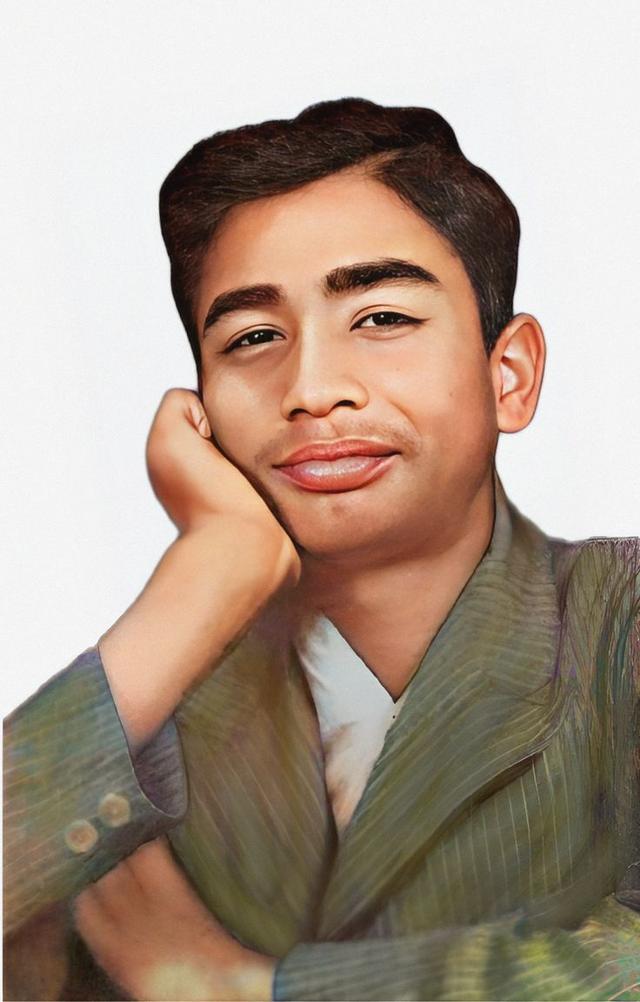
Sukanta Bhattacharya was a prominent Bengali poet and playwright, renowned for his revolutionary and socially conscious verses. Born in Kolkata in 1926, his life, though tragically short, was marked by intense literary activity and a deep commitment to social justice. Bhattacharya began writing poetry at a young age, quickly developing a distinctive style characterized by its directness, realism, and passionate advocacy for the downtrodden. His works often reflected the socioeconomic realities of preindependence India, particularly the plight of the working class, the poor, and the marginalized. He vividly depicted the hunger, poverty, and exploitation prevalent during that era, making him a voice for the voiceless.
Bhattacharya's poems are imbued with a strong sense of hope and a call for revolution. He envisioned a society free from oppression and inequality, where everyone could live with dignity and justice. He was deeply influenced by Marxist ideology, which shaped his worldview and informed his literary creations. His major works include collections like "Chharpatra" (Permit), "Ghum Nei" (Sleepless), "Purbabhas" (Foreboding), and "Mithe Kadha" (Sweet Sunlight). These poems continue to resonate with readers due to their powerful imagery, evocative language, and unwavering commitment to social change. Despite battling tuberculosis, which ultimately claimed his life at the young age of 20 in 1947, Bhattacharya left behind a significant body of work that continues to inspire generations with its message of hope, resistance, and social justice. His poems are often recited at political rallies and cultural events, cementing his legacy as a people's poet and a champion of the oppressed.
Family and Early Years
Personal Details
- 🎂 Date of Birth
- 15 August 1926.
Early Career
- Sukanta Bhattacharya's creative journey began in his early teens marked by a deep engagement with literature and a burgeoning talent for poetry. This foundation paved the way for his initial breakthroughs and growing influence as a poet.
- ✍️ Early Literary Explorations
- His journey started with writing poems that reflected the socio-political realities of his time particularly the struggles of the common people during World War II and the Bengal famine. He became deeply involved with leftist political ideologies, which heavily influenced his early works. He started writing for the communist party's publications, honing his skills and finding an audience for his politically charged verses.
- 📢 First Major Opportunity
- His first major opportunity came through his association with the communist party and their publications. His poems started getting published in journals and magazines associated with the party providing him with a platform to reach a wider audience. This early exposure was crucial in establishing his reputation as a promising young poet.
- 📖 Notable Early Projects
- While individual poems published in various journals marked his debut there weren't specific "albums" or "performances" in the traditional sense. His early work primarily consisted of poems published in literary magazines and party publications. These included poems that addressed themes of poverty, injustice, and the need for social change.
- 🌟 Significance of Debut
- His debut was significant because it introduced a fresh and powerful voice that resonated with the masses. His poems simple yet impactful, captured the zeitgeist of a nation grappling with immense hardship and political turmoil. The public and the leftist circles received his work with enthusiasm, recognizing his potential to become a major voice of social protest.
- 🚧 Major Challenges
- One of the major challenges he faced was the prevailing political climate. Supporting and writing for the communist party often put him at odds with the authorities. Additionally his young age and lack of formal education in literature initially made it difficult to be taken seriously by established literary figures. Moreover, limited resources and the widespread poverty of the time added to the difficulty of pursuing his passion for writing.
A Journey of Recognition
Career Journey
- Sukanta Bhattacharya was a revolutionary Bengali poet whose powerful socialist verses captured the struggles of the common person during World War II and the Bengal famine.
- Early Recognition and Defining Works ✍️
- Bhattacharya's literary career though tragically short, was intensely prolific. He rapidly gained recognition for his raw and unflinching portrayal of social injustice and human suffering. Key works from this period, such as "Chharpatra" ( ছাড়পত্র ) (1947), "Ghum Nei" ( ঘুম নেই ) (1945), and " পূর্বাভাস " (Purbahash) (1949), established him as a leading voice of progressive Bengali literature. These publications resonated deeply with a society grappling with immense hardship, solidifying his place as a poet of the people.
- Themes and Style Evolution 🗣️
- While Bhattacharya's core focus remained on social realism and revolutionary ideals his poetry demonstrated a growing maturity in its craftsmanship and emotional depth. He explored themes of hope and resilience alongside despair, showcasing the enduring spirit of humanity even in the face of immense adversity. His style, initially characterized by direct and forceful language, evolved to incorporate more nuanced imagery and symbolism, enriching the emotional impact of his verses.
- Critical Acclaim and Enduring Legacy 🌟
- Despite his premature death at the age of 20 Sukanta Bhattacharya's work received considerable critical acclaim during his lifetime and continues to be celebrated. His poems were widely published in literary magazines and anthologies, reaching a broad audience. His unflinching commitment to social justice and his powerful poetic voice ensured his enduring legacy as one of the most important and influential Bengali poets of the 20th century. His work continues to inspire movements for social change and remains relevant to contemporary readers.
Achievements and Milestones
- Awards and Recognition 🏆
- Unfortunately there is no mention of specific awards received by Sukanta Bhattacharya in the provided Wikipedia article.
Additional Highlights
Contributions
- Sukanta Bhattacharya a revolutionary Bengali poet, is renowned for his powerful and poignant verses that ignited the spirit of social justice and challenged the status quo.
- Poetic Contributions ✍️
- ● Bhattacharya's poetry served as a powerful voice for the oppressed and marginalized during a tumultuous period in Indian history.
- ● His works including collections like Chharpatra, Ghum Nei, Purbabhas, and Mithe Kadha, are characterized by their intense realism, unwavering commitment to social change, and youthful energy.
- ● He fearlessly addressed themes of poverty exploitation, and inequality, inspiring a generation to fight for a more just and equitable society.
- Social Advocacy and Activism ✊
- ● Bhattacharya was deeply involved in the Indian independence movement and actively used his poetry to mobilize support for the cause.
- ● He was a committed member of the Communist Party of India and played a significant role in raising awareness about the plight of the working class and peasantry.
- ● His poems were often recited at political rallies and demonstrations becoming anthems of resistance against colonial rule and social injustice.
- Cultural Influence 🎭
- ● Bhattacharya's poetry has had a lasting impact on Bengali literature and culture inspiring countless writers, artists, and activists.
- ● His works continue to be widely read and studied serving as a reminder of the importance of social responsibility and the power of art to effect change.
- ● Many of his poems have been adapted into songs and plays further amplifying their message and reaching a wider audience.
Death
- Sukanta Bhattacharya passed away on 13 May 1947.