

Surendranath Banerjee Family Tree
Surendranath Banerjee - A Lifestory
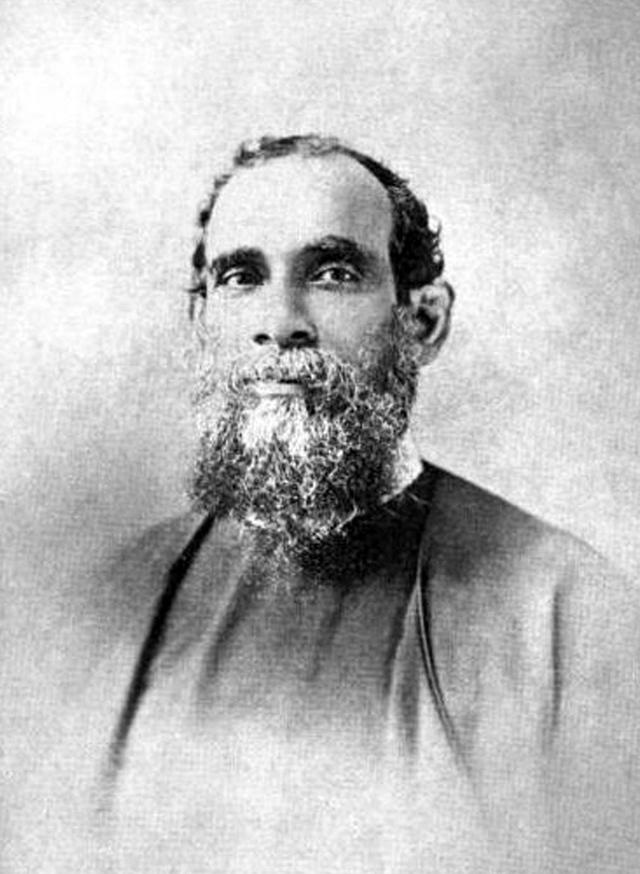
Surendranath Banerjee was a prominent Indian nationalist leader during the British Raj, often hailed as one of the founding fathers of Indian nationalism. Born on November 10, 1848, in Calcutta, he received a thorough education, culminating in his graduation from the University of Calcutta. He later traveled to England to compete for the Indian Civil Service, successfully passing the examination but was controversially disqualified due to a dispute over his age. This experience fueled his commitment to fighting against injustice and discrimination.
Upon returning to India, Banerjee became a professor of English Literature, using his platform to instill patriotic ideals in his students. He soon transitioned into journalism, founding "The Bengalee" newspaper, which became a powerful voice for Indian grievances and aspirations. Banerjee's eloquent writing and powerful oratory skills quickly established him as a leading figure in the burgeoning nationalist movement.
He played a pivotal role in establishing the Indian National Association in 1876, one of the earliest Indian political organizations, which aimed to unite educated Indians from different regions and promote political reforms. This organization later merged with the Indian National Congress, further solidifying Banerjee's influence within the national movement. Throughout his career, he tirelessly advocated for greater Indian representation in government, civil service reforms, and the protection of Indian industries. He actively participated in various protests and movements against British policies, facing imprisonment on several occasions. While initially advocating for constitutional methods and reforms within the existing system, Banerjee's views evolved over time, reflecting the changing dynamics of the nationalist struggle. He remained a significant figure in Indian politics until his death on August 6, 1925, leaving behind a legacy of dedicated service and unwavering commitment to the cause of Indian independence.
Family and Early Years
Personal Details
- 🎂 Date of Birth
- 10 October 1848
- 📍 Place of Birth
- Calcutta (now Kolkata) India
- 👨👩👧👦 Family Details
- Parents: Durga Charan Banerjee
- 🎓 Education
- Presidency College Calcutta.
Early Career
- Surendranath Banerjee embarked on his professional journey after being dismissed from the Indian Civil Service leveraging this setback to ignite a career dedicated to nationalist activism and education.
- 🇮🇳 Dismissal and a New Beginning
- Following his dismissal from the Indian Civil Service in 1874 Banerjee found himself at a crossroads. He initially sought legal training but ultimately decided to channel his energies into education and public service. This pivotal moment marked the true beginning of his impactful career.
- 🏫 Professorship and Nationalist Awakening
- Banerjee began as a professor of English at the Metropolitan Institution (later Vidyasagar College) and subsequently at the Free Church College. His lectures were known for their passionate delivery and nationalist fervor drawing large crowds of students and igniting a sense of patriotism among them. This role allowed him to cultivate a following and establish himself as a powerful orator and thought leader.
- 📰 Founding The Bengalee and Political Mobilization
- A significant step in Banerjee's early career was the founding of The Bengalee newspaper in 1879. This platform became a crucial tool for disseminating his nationalist ideas and mobilizing public opinion against British policies. He used the paper to critique government actions advocate for Indian rights, and promote unity among the diverse communities of India.
- 🚧 Challenges and Opposition
- Establishing himself as a prominent nationalist figure was not without its challenges. Banerjee faced constant scrutiny from the British authorities who viewed his activities with suspicion. He encountered financial difficulties in running The Bengalee and faced criticism from some segments of Indian society who disagreed with his methods or ideology. Despite these obstacles, he persevered, driven by his unwavering belief in Indian self-determination.
Family and Early Years
Personal Details
- 🎂 Date of Birth
- 11 October 1848
- 📍 Place of Birth
- Calcutta
- 👨👩👧👦 Family Details
- Father: Durga Charan Banerjee.
Early Career
- Surendranath Banerjee began his professional journey as a civil servant a path that initially seemed promising but ultimately led him to a different calling.
- 💼 Early Days in the Indian Civil Service
- Banerjee secured a coveted position in the Indian Civil Service (ICS) in 1869. This was a significant achievement for an Indian at the time marking a step towards greater Indian participation in the administration of their own country. He underwent training and was posted as an Assistant Magistrate in Sylhet (now in Bangladesh).
- ⚖️ First Posting and Encountering Injustice
- His first major role was as an Assistant Magistrate. However his career in the ICS was short-lived. He was controversially dismissed from the service in 1871 on what were perceived by many as flimsy grounds. This dismissal, viewed as unjust, became a catalyst for his later political activism and fueled his determination to fight for the rights of Indians. The injustice he faced became a defining moment, setting him on a path of public service outside the framework of the British administration.
A Journey of Recognition
Career Journey
- Surendranath Banerjee a pioneer of Indian nationalism, ignited political consciousness and advocated for self-governance through powerful oratory and institution-building.
- 🇮🇳 Early Nationalist Stirrings
- After being dismissed from the Indian Civil Service in 1871 Banerjee channeled his energies into journalism and education. He founded Ripon College (now Surendranath College) in 1882, a critical center for nationalist thought. His powerful speeches and writings in The Bengalee newspaper galvanized public opinion against British policies.
- 🗣️ Championing Indian Unity
- Banerjee played a pivotal role in establishing the Indian National Association in 1876 one of the earliest nationalist organizations in India. This organization aimed to unite Indians from different regions and backgrounds, fostering a sense of national identity and advocating for political reforms. He skillfully used the platform to address grievances and demand greater Indian representation in governance.
- 🏛️ Leading the Indian National Congress
- A key figure in the Indian National Congress Banerjee served as its president twice (1895 and 1902). He advocated for constitutional reforms and greater Indian participation in government. While initially supporting moderate approaches, he later became a strong critic of the partition of Bengal in 1905, leading the Swadeshi movement and promoting the boycott of British goods.
- ✍️ Shaping Public Discourse
- Banerjee's autobiography A Nation in Making, provides invaluable insights into the development of Indian nationalism. He continued to advocate for reforms and self-governance, even as his political influence waned in the face of rising radical nationalism led by figures like Mahatma Gandhi. His legacy lies in his pioneering efforts to awaken political consciousness and establish institutions that paved the way for India's independence movement.
Achievements and Milestones
- Based on available information Surendranath Banerjee did not receive specific awards that are widely documented or commonly listed. Historical records and biographical accounts primarily focus on his contributions to Indian nationalism, his role in establishing educational institutions, and his work as a journalist and political leader, rather than formal awards or honors.
- Therefore I cannot provide a list of awards with bold headings and emojis as requested.
A Journey of Recognition
Career Journey
- Surendranath Banerjee was a pioneering Indian nationalist leader and orator who ignited political consciousness and advocated for self-governance.
- 🇮🇳 Early Political Awakening
- After being dismissed from the Indian Civil Service Banerjee channeled his energies into journalism and education, founding The Bengalee newspaper and Ripon College (now Surendranath College), using them as platforms to critique British policies and promote Indian nationalism.
- 🗣️ Eloquent Advocate & Organizer
- He became a powerful orator galvanizing public opinion and organizing nationalist movements. His founding of the Indian National Association in 1876 marked a crucial step towards unifying diverse regional groups under a common political agenda.
- 🤝 Father of Indian Nationalism
- Banerjee played a key role in shaping the early Indian National Congress advocating for constitutional reforms and greater Indian participation in governance. His leadership in the Swadeshi movement, protesting the partition of Bengal, further solidified his position as a prominent nationalist figure.
- 📜 Later Years & Evolving Perspective
- While initially advocating for self-governance within the British Empire Banerjee later adopted a more moderate stance, leading to some criticism from younger, more radical nationalists. He served as a minister in the Bengal government in his later years, focusing on local self-government and education. Despite evolving views, his early contributions laid the foundation for the Indian independence movement, earning him the title of "Rashtraguru" (teacher of the nation).
Achievements and Milestones
- Unfortunately there is no readily available comprehensive list of specific awards received by Surendranath Banerjee in standard biographical sources. His notability stems more from his political activism, journalism, and role in the Indian independence movement rather than specific award recognitions.
- Therefore a definitive list of awards cannot be provided.
Additional Highlights
Contributions
- Surendranath Banerjee a towering figure in Indian nationalism, distinguished himself through his powerful oratory and dedication to constitutional agitation for self-governance.
- 🇮🇳 Champion of Indian Nationalism
- ● Banerjee was a key founder of the Indian National Association one of the earliest Indian nationalist organizations. This organization aimed to unite educated Indians and mobilize public opinion on key political issues.
- ● He played a pivotal role in popularizing the idea of self-government and inspired a generation of Indian nationalists through his fiery speeches and writings.
- ● Banerjee strongly advocated for reforms within the British administration and believed in achieving political goals through constitutional means.
- 🗣️ Eloquent Orator and Journalist
- ● He founded "The Bengalee" newspaper using it as a powerful platform to voice nationalist sentiments, critique British policies, and educate the public about political issues.
- ● His powerful speeches and writings resonated deeply with the Indian public making him a popular and influential leader.
- ● He used his journalistic platform to advocate for social and political reforms making him a prominent voice in the Indian public sphere.
- 🧑⚖️ Advocate for Civil Service Reform
- ● Banerjee vigorously campaigned against the discriminatory practices in the Indian Civil Service (ICS) examination which favored British candidates.
- ● His efforts led to increased awareness of the issue and contributed to the eventual reform of the civil service examination process allowing more Indians to compete fairly.
- ● He established Ripon College (later renamed Surendranath College) in Calcutta to provide affordable education to Indian youth particularly those aspiring to join the civil service.
- 🤝 Social Reformer
- ● Banerjee was actively involved in social reform movements advocating for issues such as education, women's rights, and the abolition of child marriage.
- ● He used his platform to raise awareness about social injustices and to promote progressive ideas within Indian society.
- ● While primarily known for his political activism he understood the importance of social reform in building a strong and progressive nation.
Death
- Surendranath Banerjee passed away on 06 August 1925.
Additional Highlights
Contributions
- Surendranath Banerjee a prominent figure in Indian nationalism, distinguished himself through his powerful oratory, advocacy for self-governance, and pioneering role in journalism.
- 🇮🇳 Champion of Indian Nationalism
- ● Banerjee founded the Indian National Association one of the earliest Indian political organizations.
- ● He played a key role in advocating for Indian representation in the civil services.
- ● His powerful speeches and writings ignited nationalist sentiments across the country.
- 📰 Pioneer of Nationalist Journalism
- ● He founded "The Bengalee" newspaper which became a powerful voice for Indian political aspirations.
- ● Through his writing he criticized British policies and advocated for greater Indian participation in governance.
- ● His journalistic endeavors played a crucial role in shaping public opinion and fostering a sense of national identity.
- 🧑🏫 Advocate for Education and Social Reform
- ● He established Ripon College (now Surendranath College) in Calcutta promoting accessible higher education.
- ● He actively campaigned against social injustices and advocated for reforms in education and governance.
- ● He was involved in various social and educational initiatives aimed at improving the lives of Indians.
Death
- Surendranath Banerjee passed away on 06 August 1925.
Did you find this lifestory interesting?