

Swami Shraddhanand Family Tree
Swami Shraddhanand - A Lifestory
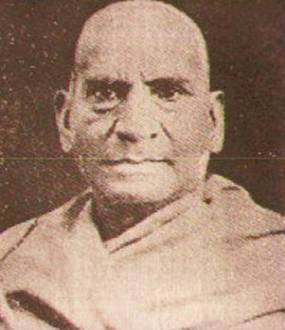
Swami Shraddhanand, a prominent figure in India's socioreligious reform movements and independence struggle, was born on February 22, 1856, as Munshi Ram Vij in the village of Talwan, Punjab. He initially pursued a career in law, practicing in various courts across Uttar Pradesh. However, a pivotal encounter with Swami Dayanand Saraswati, the founder of the Arya Samaj, profoundly impacted his life and set him on a different path. Inspired by Dayanand's teachings of Vedic revivalism and social reform, Munshi Ram dedicated himself to the cause of the Arya Samaj.
He played a crucial role in expanding the Arya Samaj's influence, particularly in the educational sphere. He founded the Gurukul Kangri University in 1902, an institution that aimed to provide education rooted in Vedic principles and Indian traditions, fostering a sense of national pride and selfreliance among its students. This institution was a departure from the colonial education system, emphasizing character building and holistic development.
Shraddhanand's commitment to social reform extended beyond education. He actively campaigned against untouchability, advocated for the upliftment of women, and worked to promote HinduMuslim unity. He believed in eradicating social evils and fostering a more equitable society based on Vedic ideals. During the Indian independence movement, Swami Shraddhanand emerged as a powerful voice, inspiring countless individuals to join the struggle against British rule. He fearlessly addressed large gatherings, igniting the spirit of nationalism and encouraging nonviolent resistance. His involvement in the movement led to imprisonment on several occasions, further solidifying his image as a dedicated patriot. He met a tragic end on December 23, 1926, when he was assassinated, leaving behind a legacy of social reform, educational innovation, and unwavering commitment to India's freedom.
Family and Early Years
Personal Details
- 🎂 Date of Birth
- Swami Shraddhanand was born on 22 February 1856.
- 📍 Place of Birth
- He was born in the village of Talwan district Jalandhar, Punjab.
- 👨👩👧👦 Family Details
- His father's name was Lala Nanak Chand who was a police officer. His wife's name was Shiva Devi. He had two sons and two daughters: Hari Chandra, Indra, Ganga Devi, and Omvati.
- 🎓 Educational Background
- He received traditional education in Urdu and Persian. He later studied law.
Early Career
- Swami Shraddhanand's professional journey began with a shift from law to social reform and education setting the stage for his rise as a prominent figure in the Arya Samaj movement.
- ⚖️ Early Legal Career
- Initially Swami Shraddhanand practiced law in Bareilly, Uttar Pradesh. This provided him with a foundation in understanding societal structures and advocating for justice.
- 🕉️ Embracing Social Reform through Arya Samaj
- His true calling emerged with his deep involvement in the Arya Samaj a Hindu reform movement. This marked a pivotal point as he transitioned from a legal career to dedicating himself to social and educational upliftment. He actively participated in the Arya Samaj's activities, advocating for reforms within Hinduism and society.
- Gurukul Kangri: A Vision for Education
- His first major contribution was the establishment of the Gurukul Kangri in 1902. This institution aimed to provide an education rooted in Vedic principles emphasizing character building and nationalistic ideals. It was a direct challenge to the colonial education system and aimed to revive traditional Indian learning.
- Obstacles and Resistance
- Establishing and running the Gurukul Kangri was not without its challenges. He faced financial constraints skepticism from some segments of society, and resistance from those who favored the existing colonial education system. Maintaining the institution's unique educational philosophy while ensuring its financial stability required immense dedication and resourcefulness.
A Journey of Recognition
Career Journey
- A fervent advocate for education social reform, and Hindu revivalism, Swami Shraddhanand significantly impacted early 20th-century India through his activism and institution-building.
- ⚖️ Early Advocacy and Legal Practice: Initially trained in law Shraddhanand championed the rights of the common people, advocating for justice and social equality within the legal framework. His early experiences shaped his understanding of the societal challenges he would later address through broader reforms.
- Gurukul Kangri Vishwavidyalaya: A Vision for Indigenous Education: A pivotal moment was the establishment of the Gurukul Kangri Vishwavidyalaya in 1902. This institution deviating from the colonial education system, aimed to provide students with a holistic education rooted in Vedic principles, Indian culture, and character building. This was a direct response to the perceived cultural erosion under British rule.
- 🤝 Shuddhi Movement: Reclaiming Identity and Unity: Swami Shraddhanand spearheaded the Shuddhi movement a controversial yet impactful initiative focused on reconverting individuals who had converted to other religions back to Hinduism. This movement, while aiming to consolidate Hindu identity, also faced criticism for its potential to exacerbate communal tensions.
- ✍️ Journalism and Social Commentary: He actively used journalism as a tool for social reform publishing articles and editorials that challenged societal norms, advocated for women's education, and promoted Hindu unity. His writings served as a platform to disseminate his ideas and mobilize public opinion.
- Delhi: Championing Hindu Interests & Facing Opposition: In his later years Swami Shraddhanand became a prominent figure in Delhi, actively involved in Hindu Sangathan (organization) activities. This period was marked by both significant influence and increasing opposition, reflecting the complex socio-political landscape of the time. He faced challenges from various factions due to his strong advocacy for Hindu interests and his involvement in controversial movements.
- Swami Shraddhanand's legacy is complex and multifaceted. He remains a significant figure in the history of Hindu reform movements remembered for his contributions to education, social activism, and his efforts to strengthen Hindu identity during a period of immense social and political change. His actions and beliefs, while impactful, also sparked controversy, shaping his lasting influence within the historical narrative of early 20th-century India.
Achievements and Milestones
- Unfortunately there is no mention of formal awards or prizes received by Swami Shraddhanand in the provided Wikipedia article or in most readily available historical sources. His recognition was primarily through reverence and influence.
- Therefore based on the available information, I cannot provide a list of awards.
- NA.
Additional Highlights
Contributions
- Swami Shraddhanand stands out as a pivotal figure in India's socio-religious reform movement championing education, social justice, and Hindu revivalism.
- Gurukul Kangri Vishwavidyalaya 📚
- ● Founded the Gurukul Kangri Vishwavidyalaya in 1902 an educational institution aimed at providing education rooted in Vedic principles and Indian culture.
- ● This institution aimed to revive ancient Indian educational practices promoting character building and nationalistic ideals among students.
- ● It served as a center for promoting Hindi language and literature.
- Shuddhi Movement 🕉️
- ● Led the Shuddhi movement a controversial yet significant effort to reconvert Hindus who had converted to Islam or Christianity.
- ● The movement aimed at unifying the Hindu community and preventing further conversions.
- ● It sparked intense debates and controversies but also highlighted the importance of religious identity and belonging.
- Social Reform and Advocacy ✊
- ● Advocated for the upliftment of women and the lower castes in Hindu society.
- ● Worked towards eradicating social evils like untouchability and child marriage.
- ● Participated actively in the Indian independence movement inspiring many with his speeches and writings.
- Hindu Sangathan (Hindu Consolidation) 🤝
- ● Played a crucial role in the Hindu Sangathan movement which aimed to unite various Hindu sects and communities under a common banner.
- ● Believed that a unified Hindu community was essential for the social and political progress of India.
- ● Organized events and campaigns to promote Hindu unity and awareness.
Death
- Swami Shraddhanand passed away on 23 December 1926.
Did you find this lifestory interesting?