

Swami Vivekananda Family Tree
Swami Vivekananda - A Lifestory
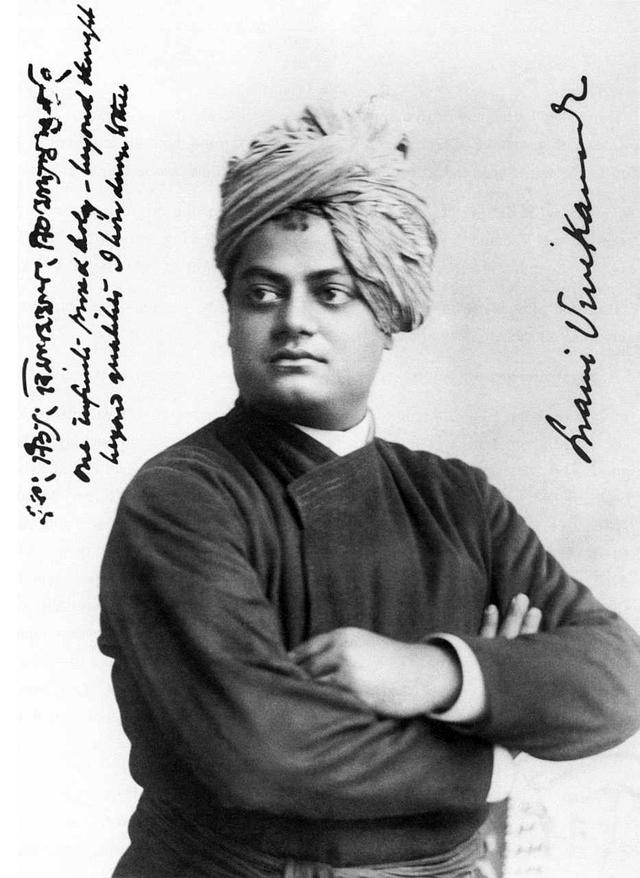
Swami Vivekananda, a pivotal figure in introducing Vedanta and Yoga to the Western world, was born Narendranath Datta in Calcutta on January 12, 1863. From a young age, Narendranath displayed exceptional intellectual abilities and a keen interest in spirituality. He excelled in his studies, absorbing a wide range of subjects from Western philosophy and history to Indian scriptures. His inquisitive nature led him to question traditional religious beliefs and seek a deeper understanding of truth. This quest brought him to Ramakrishna Paramahamsa, a mystic and spiritual leader, who became his guru. Under Ramakrishna's guidance, Narendranath underwent intense spiritual training, learning about Advaita Vedanta and the unity of all religions.
Following Ramakrishna's death in 1886, Narendranath embraced the life of a wandering monk, traveling extensively throughout India. This journey exposed him to the diverse realities of Indian society, including widespread poverty and social injustice. Deeply moved by the suffering he witnessed, he resolved to uplift the masses through education and service. In 1893, he traveled to Chicago to represent India at the Parliament of the World's Religions. His eloquent and insightful speeches captivated the audience, establishing him as a prominent voice for Hinduism and Indian spirituality.
After his success in the West, Vivekananda returned to India and founded the Ramakrishna Mission in 1897. The mission, dedicated to the ideals of service and renunciation, aimed to provide education, healthcare, and relief to the poor and needy. He emphasized the importance of selfreliance, national pride, and spiritual awakening. Vivekananda's teachings inspired a generation of Indians and contributed significantly to the Indian independence movement. He advocated for a synthesis of Eastern spirituality and Western progress, urging individuals to strive for both material and spiritual wellbeing. He passed away on July 4, 1902, at the young age of 39, leaving behind a legacy of profound spiritual wisdom and dedicated service to humanity.
Family and Early Years
Personal Details
- 🎂 Date of Birth
- 01 December 1863
- 📍 Place of Birth
- Calcutta British India
- 👨👩👧👦 Family Details
- Father: Vishwanath Datta
- Mother: Bhuvaneshwari Devi
- Siblings: Narendra Nath Datta (original name) Jogendra Nath Datta, Tarapada Datta, Harimohini Devi, Sukumari Devi
- Spouse: Not applicable (Swami Vivekananda was a monk and did not marry).
Early Career
- 💡 Early Oratory and Recognition
- Swami Vivekananda's journey began with his exceptional oratory skills and deep understanding of Hindu philosophy. His initial rise to recognition was fueled by his powerful lectures and debates on spirituality and Vedanta.
- 🙏 Initial Platform: The Parliament of the World's Religions
- Vivekananda's professional path significantly took off when he secured an opportunity to represent Hinduism at the Parliament of the World's Religions in Chicago in 1893. This event served as a pivotal platform for his debut on the global stage.
- 🗣️ First Major Contribution: Introducing Hinduism to the West
- His first major contribution was introducing Hinduism and Vedanta philosophy to the Western world in a comprehensive and compelling manner. His speeches at the Parliament of the World's Religions garnered widespread attention and established him as a prominent figure in interfaith dialogue. The significance lies in bridging the gap between Eastern and Western spiritual thought.
- obstacles: Overcoming Prejudice and Misunderstandings
- One of the main challenges Vivekananda faced was overcoming prejudice and misunderstandings about Hinduism in the West. He had to dispel misconceptions and present the philosophy in a way that resonated with a Western audience. Financial constraints and logistical hurdles in traveling to and staying in America also posed significant obstacles.
A Journey of Recognition
Career Journey
- Swami Vivekananda was a pivotal figure who introduced Vedanta and Yoga to the West becoming a key force in the rise of interfaith awareness and modern Hinduism.
- 🗣️Parliament of the World's Religions (1893)
- After gaining recognition at the Parliament of the World's Religions in Chicago Vivekananda embarked on extensive lecture tours across the United States and England. His eloquent speeches and charismatic personality captivated audiences, establishing him as a prominent voice of Eastern spirituality.
- 🙏Founding of the Vedanta Society (1894-1896)
- He founded the Vedanta Society of New York in 1894 and the Vedanta Society of San Francisco in 1896 solidifying his mission to spread Vedanta philosophy in the West. This was a significant step in institutionalizing his teachings and ensuring their continued dissemination.
- 🇮🇳Return to India and Establishment of the Ramakrishna Mission (1897)
- Upon returning to India Vivekananda established the Ramakrishna Mission, a monastic order dedicated to social service and spiritual upliftment. This organization was a landmark project, embodying his vision of "Atmano Mokshartham Jagad Hitaya Cha" (for one's own liberation and for the good of the world). He faced challenges in unifying diverse religious and social groups under the Mission's banner, but his leadership and unwavering commitment to service prevailed.
- 📚Literary Contributions and Lectures
- Vivekananda's lectures and writings including "Raja Yoga," "Karma Yoga," "Bhakti Yoga," and "Jnana Yoga," became foundational texts for understanding Vedanta and Yoga. These works shaped the understanding of Eastern philosophy in the West and continue to inspire spiritual seekers worldwide.
- 🌍Global Impact and Legacy
- Vivekananda's work shaped his legacy as a bridge between East and West inspiring generations with his message of universalism, self-reliance, and social reform. His impact endures through the Ramakrishna Mission and the continued relevance of his teachings in the modern world.
Achievements and Milestones
- Swami Vivekananda did not receive formal awards or titles in the conventional sense. His recognition came through the impact of his teachings and his influence on individuals and movements. Therefore a list of formal "awards" does not exist.
Additional Highlights
Contributions
- A beacon of spiritual enlightenment and social reform Swami Vivekananda stands out for his powerful synthesis of Vedanta philosophy with practical action, inspiring a generation to uplift humanity.
- 🌍 Spreading Vedanta Philosophy to the West:
- ● Introduced Hinduism and Vedanta philosophy to the Western world playing a key role in promoting interfaith understanding.
- ● Delivered a landmark speech at the Parliament of the World's Religions in Chicago in 1893 captivating audiences with his wisdom and eloquence.
- ● Established Vedanta Societies in America and Europe to continue teaching and spreading the principles of Vedanta.
- 🙏 Founding the Ramakrishna Mission:
- ● Established the Ramakrishna Mission in 1897 a philanthropic and spiritual organization dedicated to serving humanity.
- ● The Mission focuses on various forms of social service including education, healthcare, rural development, and disaster relief.
- ● The Mission is based on the principles of Karma Yoga emphasizing selfless service as a path to spiritual growth.
- 🇮🇳 Inspiring Indian Nationalism and Social Reform:
- ● Inspired a sense of national pride and self-confidence among Indians during the colonial era.
- ● Advocated for the eradication of social evils such as caste discrimination untouchability, and poverty.
- ● Emphasized the importance of education for all particularly for women, to uplift society.
- 📚 Promoting Education and Self-Reliance:
- ● Believed that education was the key to empowering individuals and transforming society.
- ● Encouraged the establishment of educational institutions that combined modern knowledge with traditional values.
- ● Advocated for self-reliance and the development of indigenous industries to alleviate poverty and unemployment.
Death
- Swami Vivekananda passed away on 04 July 2002.