

Tatya Tope Family Tree
Tatya Tope - A Lifestory
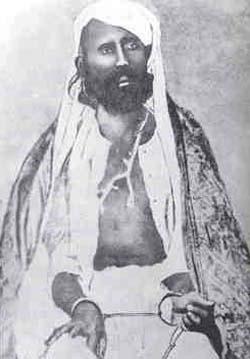
Tatya Tope, a prominent figure in the Indian Rebellion of 1857, was a general known for his strategic brilliance and unwavering commitment to the cause of Indian independence. Born as Ramachandra Panduranga Tope, he inherited the title "Tatya Tope" due to family traditions. He rose to prominence as a key leader after the rebellion erupted, demonstrating exceptional organizational skills and tactical acumen.
Initially serving as a loyal retainer to Nana Sahib, a prominent leader in Kanpur, Tatya Tope quickly distinguished himself during the uprising. Following the British recapture of Kanpur, he skillfully orchestrated the escape of Nana Sahib and his forces, demonstrating his strategic prowess. He then took command of the rebel forces and embarked on a series of campaigns against the British, displaying remarkable resilience and adaptability.
Tatya Tope's military leadership was characterized by his ability to mobilize local support and employ guerrilla warfare tactics effectively. He successfully captured Gwalior, a strategically important city, with the assistance of Rani Lakshmibai of Jhansi, further bolstering the rebel cause. However, British forces eventually recaptured Gwalior, forcing Tatya Tope to retreat.
Despite facing overwhelming odds, Tatya Tope continued his resistance, leading his forces through the dense jungles of central India. He skillfully evaded capture for several months, constantly harassing British troops and inspiring local populations to resist colonial rule. He became a symbol of defiance against British authority, embodying the spirit of resistance that characterized the 1857 rebellion. Eventually, he was betrayed by a trusted associate and captured by the British. He was subsequently tried and executed in 1859, becoming a martyr for the cause of Indian independence. His legacy continues to inspire generations of Indians, solidifying his place as a national hero who fought valiantly for freedom.
Family and Early Years
Personal Details
- 🎂 Date of Birth
- 16 February 1814
- 🏠 Place of Birth
- Yeola Maharashtra, India.
Early Career
- 💰 Early Career and Accounting
- Tatya Tope's early career involved managing the household of Peshwa Bajirao II and later his adopted son Nana Sahib. This role provided him with experience in financial administration and organization, skills that would later prove invaluable.
- ⚔️ The Uprising of 1857: A Shift to Military Leadership
- Tatya Tope's first major contribution came during the Indian Rebellion of 1857. He transformed from an administrator into a military leader. He was instrumental in organizing and leading the rebel forces particularly after the British recaptured Kanpur. His guerrilla warfare tactics proved highly effective against the British forces. He played a crucial role in capturing Kanpur alongside Nana Sahib.
- 🚧 Challenges in Establishing Leadership
- One of the main challenges Tatya Tope faced was uniting diverse groups of rebels under a single banner. Different factions had different grievances and objectives making coordination difficult. He also faced the superior military might of the British East India Company, which had better resources, training, and weaponry. His lack of formal military training was also a significant obstacle, forcing him to learn on the job under immense pressure.
A Journey of Recognition
Career Journey
- Tatya Tope was a key leader in the Indian Rebellion of 1857 known for his guerrilla tactics and unwavering resistance against British rule.
- 🚩 Early Leadership in the Rebellion
- After the rebellion ignited Tatya Tope quickly rose to prominence as a commander, demonstrating his tactical abilities in battles like the Siege of Cawnpore. He was instrumental in organizing and leading rebel forces, showcasing his early leadership potential in a chaotic and challenging environment.
- ⚔️ Strategist and Guerrilla Warfare Expert
- Following the recapture of Cawnpore by the British Tatya Tope adopted guerrilla warfare, proving to be a master strategist. He skillfully evaded capture for months, harassing British forces and inspiring continued resistance. This period defined his expertise in unconventional warfare and cemented his image as a resilient and resourceful leader.
- 🤝 Alliance Building and Political Influence
- Tatya Tope forged alliances with other rebel leaders including Rani Lakshmibai of Jhansi, demonstrating his capacity to unite diverse factions against a common enemy. His political acumen and ability to negotiate and collaborate broadened the scope of the rebellion and prolonged the fight for independence.
- 🛡️ Final Stand and Legacy of Resistance
- Despite facing overwhelming odds Tatya Tope continued to fight until his capture and execution. His unwavering commitment to the cause of Indian independence, even in the face of defeat, solidified his legacy as a symbol of resistance and a source of inspiration for future generations of freedom fighters. The challenges he faced highlight the immense difficulties faced by the rebels, and his adaptation to guerrilla warfare underscores his resilience and strategic thinking. His actions undeniably helped to shape the narrative of the rebellion and contribute to the growing movement for Indian independence.
Additional Highlights
Contributions
- A master of guerrilla warfare Tatya Tope's strategic brilliance and unwavering commitment to Indian independence cemented his place as a pivotal figure in the 1857 rebellion.
- ⚔️ Military Leadership and Guerrilla Warfare:
- ● Tatya Tope emerged as a prominent leader during the Indian Rebellion of 1857 demonstrating exceptional military capabilities.
- ● He skillfully organized and led Indian soldiers against the British forces achieving notable victories in several battles.
- ● Recognizing the limitations of conventional warfare against the superior British army Tatya Tope adopted guerrilla tactics, harassing and disrupting British operations.
- ● His knowledge of the terrain and ability to mobilize local support allowed him to evade capture for an extended period posing a significant challenge to the British.
- 🛡️ Key Battles and Strategic Maneuvers:
- ● Tatya Tope played a crucial role in the defense of Kanpur (Cawnpore) against the British advance.
- ● He assisted Nana Sahib in recapturing Kanpur and participated in the subsequent fighting.
- ● After the fall of Kanpur Tatya Tope shifted his focus to other regions, joining forces with Rani Lakshmibai of Jhansi.
- ● Together they captured Gwalior, a strategically important city, and declared it a center of resistance.
- 🤝 Alliance Building and Coalition Efforts:
- ● Tatya Tope recognized the importance of unity among the various rebel factions and worked to forge alliances.
- ● He collaborated with Nana Sahib Rani Lakshmibai, and other regional leaders to create a united front against the British.
- ● His efforts to build a broad coalition demonstrated his understanding of the need for collective action to achieve independence.
- 🚩 Inspiration and Symbol of Resistance:
- ● Tatya Tope's courage determination, and unwavering commitment to the cause of independence inspired countless Indians to join the rebellion.
- ● He became a symbol of resistance against British rule embodying the spirit of defiance and the desire for freedom.
- ● Even after his capture and execution Tatya Tope continued to be remembered as a hero and a source of inspiration for future generations of Indian nationalists.
Death
- Tatya Tope passed away on 18 April 1859.
Did you find this lifestory interesting?