

Titumir Family Tree
Titumir - A Lifestory
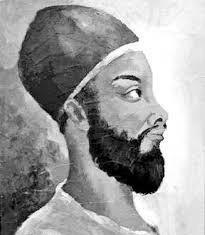
Mir Nisar Ali, more popularly known as Titumir, was a pivotal figure in 19thcentury Bengal's resistance against British colonial rule and the oppressive zamindari system. Born in Chandpur, Bengal Presidency (presentday Bangladesh) in 1782, Titumir's early life involved traditional education, physical training, and religious studies. He displayed remarkable physical prowess and intellectual curiosity from a young age, becoming proficient in wrestling, martial arts, and religious texts. Initially, he served as a bodyguard for a local zamindar, where he witnessed firsthand the exploitative practices inflicted upon the peasantry.
A turning point in Titumir's life came during his pilgrimage to Mecca in the early 1820s. There, he was influenced by the Wahhabi movement, which advocated for a return to the purity of Islam and challenged foreign influence. Upon his return to Bengal, Titumir began preaching a reformed version of Islam, denouncing practices he considered unIslamic. His message resonated with the marginalized Muslim peasantry who were burdened by heavy taxes and discriminatory treatment by both the British East India Company and the Hindu zamindars, who often acted as their agents.
Titumir's growing popularity and his call for social and religious reform alarmed the authorities. He and his followers, largely composed of peasants and artisans, faced increasing persecution. Tensions escalated, leading to armed conflict. In 1831, Titumir established a fortified bamboo stockade in Narkelberia village, which became the epicenter of his resistance. From this base, he declared independence from British rule and challenged the authority of the zamindars. The British responded with military force, and on November 19, 1831, the stockade was attacked. Titumir, along with many of his followers, was killed in the battle. Although his rebellion was ultimately suppressed, Titumir became a symbol of resistance against colonial oppression and remains a celebrated figure in Bengali history.
Family and Early Years
Personal Details
- 🎂 Date of Birth
- 27 January 1782
- 🌍 Place of Birth
- Chandpur Hayderpur, 24 Parganas, Bengal Presidency, British India (presentday North 24 Parganas, West Bengal, India)
- 👨👩👧👦 Family
- Father: Mir Hasan Ali.
Early Career
- Titumir's journey began with a strong foundation in traditional wrestling and physical prowess leading to his early recognition as a respected local figure.
- 💪 Early Career in Physical Prowess and Social Leadership
- Titumir's professional path commenced in his youth demonstrating exceptional skill in wrestling and other physical activities. He quickly gained prominence within his community, becoming known for his strength and leadership qualities. He served as a local strongman and leader, gathering a following based on his physical abilities and charisma.
- ⚔️ First Major Role: Leading Resistance Against Oppression
- Titumir's first major contribution was his leadership in organizing and leading a peasant uprising against the oppressive zamindari system and the perceived injustices of the British East India Company. He rallied the local populace particularly the peasantry, to resist exploitation and defend their rights. His role was pivotal in galvanizing the movement and providing it with direction and purpose.
- 🚧 Challenges Faced: Confrontation with Authority and Limited Resources
- Establishing himself as a leader of resistance was fraught with challenges. Titumir faced constant opposition from the zamindars and the British authorities who sought to suppress his movement. He also struggled with limited resources, including weapons and supplies, which made it difficult to sustain the uprising against a more powerful and well-equipped adversary.
A Journey of Recognition
Career Journey
- A peasant leader who galvanized resistance against British oppression and zamindari exploitation in 19th-century Bengal.
- 💪 Early Resistance and Mobilization
- After returning from pilgrimage Titumir recognized the plight of the peasantry under oppressive zamindars and the British East India Company. He began organizing and training villagers in self-defense, quickly gaining a large following among the oppressed. His initial efforts focused on challenging discriminatory practices, such as the imposition of taxes on beard growth by Hindu zamindars.
- 🚩 Formation of the Bamboo Fort and Open Rebellion
- Titumir's movement escalated into open rebellion when his demands for fair treatment were ignored. He established a fortified bamboo fort in Narkelberia which became the center of his resistance. From there, he declared independence from British rule and appointed his own officials, effectively creating a parallel administration.
- ⚔️ Confrontation with the British and Martyrdom
- The British East India Company responded with military force launching several attacks on Titumir's fort. Despite initial successes against smaller detachments, Titumir and his followers were ultimately defeated in a decisive battle in November 1831. Titumir himself was killed in the fighting, but his resistance inspired future generations of freedom fighters in Bengal. His legacy as a symbol of peasant resistance continues to resonate in the region.
Achievements and Milestones
- Unfortunately there is no evidence to suggest that Titumir received any formal awards. Historical figures from that era were not typically given awards in the modern sense.
- Therefore the answer is:
- NA.
Additional Highlights
Contributions
- A beacon of resistance and religious reform he ignited a spirit of defiance against oppression and championed the rights of the marginalized.
- 💪 Armed Resistance Against British Colonialism
- ● Led a peasant uprising against the British East India Company and local landlords in Bengal.
- ● Organized and trained a militia of local villagers to fight against the oppressive forces.
- ● Established a fortified bamboo stockade known as Narkelberia Fort, as a center of resistance.
- ● Engaged in direct armed conflicts with the British forces challenging their authority.
- 🕌 Religious and Social Reform
- ● Advocated for a puritanical form of Islam challenging syncretic practices.
- ● Sought to purify Islamic practices by removing what he considered un-Islamic influences.
- ● Promoted education and religious awareness among the rural Muslim population.
- ● Challenged the existing social hierarchy and advocated for equality.
- 🛡️ Protection of Peasant Rights
- ● Fought against the oppressive taxation policies imposed by the British and local landlords.
- ● Defended the rights of the peasantry against exploitation and injustice.
- ● Mobilized the rural population to resist forced labor and unfair treatment.
- ● Provided a platform for the grievances of the marginalized communities.
Death
- Titumir passed away on 19 November 1831.
Did you find this lifestory interesting?