

Vrindavan Verma Family Tree
Vrindavan Verma - A Lifestory
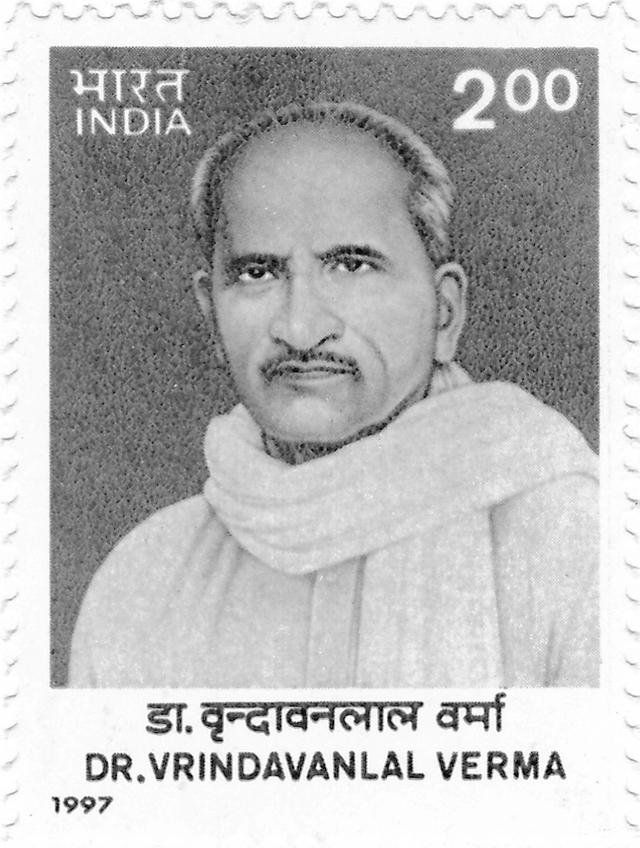
Vrindavan Verma was a prominent figure in Hindi literature, renowned for his contributions to historical fiction. He carved a niche for himself by vividly portraying historical events and characters, particularly those from the Bundelkhand region of India. His writing style was characterized by a blend of meticulous research and engaging storytelling, making history accessible and captivating for a wide audience.
Verma's literary career spanned several decades, during which he authored numerous novels, plays, and short stories. His works often explored themes of courage, sacrifice, love, and betrayal, set against the backdrop of significant historical periods. He possessed a unique ability to bring historical figures to life, imbuing them with human qualities and emotions that resonated with readers. His narratives were not merely accounts of past events; they were explorations of the human condition within the context of history.
His contribution extended beyond simply writing historical fiction. He is credited with pioneering a distinct style within Hindi literature, often referred to as the "historical novel" genre in Hindi. He meticulously researched historical records, folklore, and local traditions to ensure the authenticity of his narratives. This dedication to historical accuracy, combined with his narrative skills, made his works both informative and entertaining. He left behind a rich literary legacy that continues to inspire and influence writers and readers of Hindi literature.
Family and Early Years
Personal Details
- 🎂 Birth Details
- 01 September 1889
- 🏠 Place of Birth
- Mauranipur Uttar Pradesh, India.
Early Career
- Vrindavan Verma embarked on his creative journey with a deep fascination for history and storytelling initially exploring his literary talents through short stories and plays. His early works reflected a strong inclination towards historical narratives, laying the foundation for his future success in historical fiction.
- 🎭 Early Literary Explorations
- Verma's initial forays into the literary world involved writing and staging plays primarily focusing on historical and social themes. These early experiences honed his skills in dialogue writing, character development, and narrative construction, providing him with a crucial foundation for his later works.
- ✍️ First Major Opportunity: Garh Kundar
- His first major opportunity arrived with the publication of his novel Garh Kundar. This historical novel marked a significant turning point in his career showcasing his unique ability to weave compelling narratives around historical events and characters.
- 📢 Reception of Garh Kundar
- Garh Kundar was well-received garnering attention for its vivid portrayal of historical settings and its engaging storyline. The novel helped establish Verma as a promising voice in Hindi literature, particularly within the genre of historical fiction.
- 🚧 Challenges in Establishing Recognition
- Despite the initial success of Garh Kundar Verma faced several challenges in establishing himself as a prominent author. Gaining wider recognition in the literary world required persistent effort. He had to navigate the complexities of the publishing industry and overcome the skepticism often associated with new authors.
A Journey of Recognition
Career Journey
- A novelist and playwright celebrated for his historical fiction in Hindi Vrindavan Lal Verma significantly contributed to Indian literature by blending historical narratives with social commentary.
- ⚖️ Early Career & Landmark Works: Following initial writing endeavors Verma achieved recognition with historical novels like "Garh Kundar" (1928), which established his signature style of interweaving historical events with romantic narratives and social issues. "Virata ki Padmini" further solidified his position, showcasing his ability to recreate historical settings vividly.
- ✍️ Exploring Bundelkhandi History: Verma dedicated a significant portion of his career to chronicling the history and culture of the Bundelkhand region. "Jhansi ki Rani" (1946) a biographical novel on Rani Lakshmibai, became his most celebrated work, achieving widespread popularity and critical acclaim for its detailed portrayal of the queen's life and the historical context of the 1857 Indian Rebellion.
- 🎭 Diversification into Playwriting: Expanding his creative horizons Verma ventured into playwriting, adapting his historical narratives for the stage. His plays, often based on historical or social themes, resonated with audiences and contributed to the development of Hindi theater.
- 📜 Continued Literary Output & Recognition: Throughout his career Verma continued to produce a steady stream of novels, plays, and other writings. He received numerous awards and accolades for his contributions to Hindi literature, cementing his legacy as a prominent figure in the field. His works continued to explore themes of history, society, and human relationships, reflecting a consistent evolution of his craft within his established style.
Achievements and Milestones
- Here's a list of awards received by Vrindavan Lal Verma:
- 🏆 Sahitya Akademi Award
- ● He received the Sahitya Akademi Award in 1969 for his novel Jhansi Ki Rani.
- 💰 D. Litt.
- ● He was awarded a D. Litt. by Vikram University Ujjain.
Additional Highlights
Contributions
- A master storyteller weaving historical tapestries Vrindavan Verma's narratives brought to life the vibrant saga of India's past.
- 🖋️ Literary Contributions
- ● Verma authored numerous historical novels plays, and stories, focusing primarily on the Bundelkhand region of India. His works are known for their vivid characterizations, intricate plots, and detailed depictions of historical events and social customs.
- ● His novel Jhansi Ki Rani is considered a landmark work in Hindi literature popularizing the story of the courageous queen Lakshmibai and inspiring generations of readers.
- ● He contributed significantly to the development of the historical novel genre in Hindi literature paving the way for other writers to explore India's rich past.
- 🎭 Contribution to Arts
- ● Verma's literary works have been adapted into plays and other forms of media bringing his stories to a wider audience.
- ● His deep understanding of Bundelkhand's culture and history contributed to the authenticity and richness of artistic representations of the region.
Death
- Vrindavan Verma passed away on 23 February 1969.