

Wazir Khan Family Tree
Wazir Khan - A Lifestory
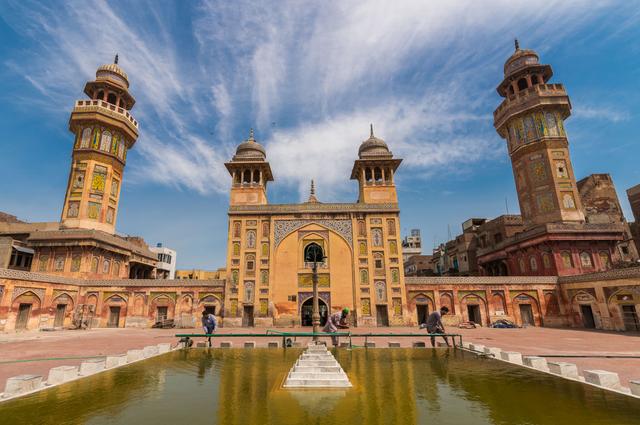
Hakim Shaikh Ilmuddin Ansari, widely known as Wazir Khan, was a prominent figure in the Mughal Empire during the reign of Emperor Shah Jahan. He was a physician by profession, holding the esteemed position of court physician, which provided him with considerable influence and access to the imperial circle. His medical expertise and close relationship with the emperor allowed him to amass significant wealth and power, which he strategically utilized to contribute to the empire's administrative and cultural landscape.
Wazir Khan's influence extended beyond the realm of medicine. He served as the governor of Lahore, a crucial administrative and commercial center in the Mughal Empire. His tenure as governor was marked by his dedication to public works and his patronage of the arts and sciences. He commissioned the construction of numerous infrastructure projects, including canals and gardens, to improve the city's infrastructure and enhance the quality of life for its residents. His commitment to Lahore's development cemented his legacy as a benevolent and effective administrator.
Beyond his administrative duties, Wazir Khan is best remembered for his philanthropic endeavors and his commitment to religious tolerance. He commissioned the construction of the Wazir Khan Mosque in Lahore, a magnificent architectural masterpiece that stands as a testament to Mughal artistry. The mosque, adorned with intricate tile work and elaborate frescoes, served not only as a place of worship but also as a center for learning and community gatherings. His actions reflect a broader trend of religious syncretism and cultural exchange during the Mughal era. Wazir Khan's legacy endures through his architectural contributions, his administrative prowess, and his commitment to public welfare, solidifying his place as a significant figure in Mughal history.
Family and Early Years
Personal Details
- 🎂 Date of Birth
- 19 April 1780.
Early Career
- 💼 Early Career Start
- Wazir Khan began his professional journey as a physician eventually becoming a court physician for the Mughal Emperors. This position provided him with a platform to showcase his skills and intellect, paving the way for his ascent in the Mughal administration.
- ⚕️ Becoming a Royal Physician
- Wazir Khan's early career involved practicing medicine and gradually gaining recognition for his expertise. His medical acumen led him to secure a position as a physician in the Mughal court a key institution that held significant political and economic power. This pivotal opportunity placed him in close proximity to the emperors and influential figures of the time.
- 🕌 Landmark Contribution
- His most significant contribution was commissioning the construction of a grand mosque a project that reflected his vision and administrative capabilities. This undertaking held immense significance as it served as a testament to his dedication to public works and his commitment to promoting religious and cultural values within the empire.
- 🚧 Challenges Faced
- Establishing himself in the Mughal court was not without challenges. He likely encountered obstacles such as navigating court politics securing funding for his projects, and managing the logistics of large-scale construction. Additionally, he would have needed to overcome any skepticism or resistance from those who may have questioned his authority or motives.
A Journey of Recognition
Career Journey
- A skilled physician and administrator Wazir Khan left an enduring mark through his patronage of Mughal architecture and civic development in Lahore.
- 🩺 Early Career as Royal Physician
- After gaining recognition for his medical acumen Wazir Khan was appointed as the court physician to the Mughal Emperor Shah Jahan. This role provided him with access to the highest echelons of power and influence within the empire.
- 🕌 Patronage of Architecture and Urban Development
- Wazir Khan's major contribution was his patronage of architecture and urban development in Lahore. He commissioned the construction of the Wazir Khan Mosque a masterpiece of Mughal architecture renowned for its intricate tile work and design. This project defined his journey, showcasing his commitment to beautifying and improving the city.
- 🏛️ Governor of Lahore and Civic Leader
- Appointed as the Governor of Lahore Wazir Khan demonstrated his leadership by focusing on civic improvements. His significant decisions involved investing in infrastructure, promoting trade, and ensuring the welfare of the city's residents. His involvement in these initiatives solidified his role as a key figure in the region.
- 💰 Legacy of Philanthropy and Cultural Enrichment
- Wazir Khan's legacy is shaped by his philanthropic endeavors and his contribution to the cultural enrichment of Lahore. The challenges he faced included managing the resources of the province and maintaining stability but his impact deepened over time as his projects left a lasting impression on the city's landscape and cultural identity.
Additional Highlights
Contributions
- A visionary administrator and patron of the arts Wazir Khan left an indelible mark on Lahore through his architectural contributions and dedication to public welfare.
- 🕌 Architectural Patronage & Construction
- ● Commissioned and oversaw the construction of the Wazir Khan Mosque in Lahore a masterpiece of Mughal architecture renowned for its intricate tile work and detailed frescoes.
- ● The mosque served not only as a place of worship but also as a center for social and commercial activity with shops built into its facade.
- ● His patronage extended to other building projects in Lahore contributing to the city's urban development and beautification.
- 🏥 Public Health Initiatives
- ● Established a Shifa Khana or hospital, demonstrating his commitment to providing healthcare to the residents of Lahore.
- ● The Shifa Khana offered medical treatment and served as a refuge for the sick and needy.
- 🏘️ Urban Development & Infrastructure
- ● Played a key role in the urban planning and development of Lahore during his tenure as governor.
- ● Implemented infrastructure projects to improve the city's sanitation water supply, and overall living conditions.
- 🤝 Philanthropic Activities
- ● Known for his charitable donations and support for the poor and vulnerable members of society.
- ● Endowed properties and resources to support religious institutions and educational initiatives.
Death
- Wazir Khan passed away on 15 May 1817.