

India's first family app where the past, present and future align! Discover your roots, join or create communities and unravel your future with iMeUsWe!
Copyright © 2026. All rights reserved.
Privacy PolicyTerms of ServiceCookie Settings
Navigate our 1.6B record database, always expanding!
State wise Statistics
Category wise Statistics
Suggestions:
Top 10 Sikh Surnames
Top 10 Hindu Surnames
Top 10 Hindi Surnames
Top 10 Bengali Surnames
Top 10 Assamese Surnames
History:
The Mal surname in India is most commonly associated with communities in West Bengal, Bihar, Jharkhand, and Assam. The term "Mal" has connections to ancient agrarian and forest-based communities and may also have mythological roots linked to earth and agriculture. The surname originated from occupations centred around farming, landholding, and services related to agriculture. Politically, the Mal community has experienced mobilization through regional agrarian movements, especially in eastern India, where land rights and social status have been key concerns. Migration and settlement patterns show that the Mal community spread across eastern and northeastern India, primarily in agrarian and labor-based occupations, with some migrating for better economic opportunities.
Description:
Rituals and festivals are important to the Mal community, with celebrations like Durga Puja, Saraswati Puja, and Makar Sankranti being common among Bengali-speaking Mals. In Bihar and Jharkhand, festivals like Chhath Puja hold significance. The Mal community exists in multiple states, speaking Bengali, Hindi, Assamese, and regional dialects. Prominent personalities from the Mal surname include those engaged in agriculture, politics, and social work. A few notable personalities with the Mal surname are Debnath Mal – A former politician from West Bengal, Dhiren Mal – A renowned social activist in Assam, and Lalit Mal – A public figure in Jharkhand. Family values within the Mal community emphasize unity, respect for elders, and a close connection to traditions. Their diet is region-specific, with a preference for rice-based dishes, vegetables, and fish in Bengal, while those in Bihar and Jharkhand lean toward lentils, vegetables, and occasionally meat. Literacy rates are improving, with education gaining importance among younger generations, but historical occupations in agriculture and labor still prevail. Some members have also shifted toward modern professions in urban areas, including business, teaching, and government services.
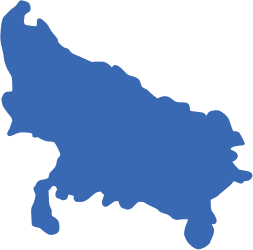
Uttar Pradesh
96,242

Jharkhand
9,469
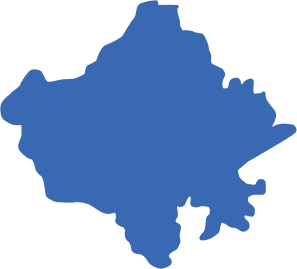
Rajasthan
6,597

Punjab
5,665

Delhi
1,536
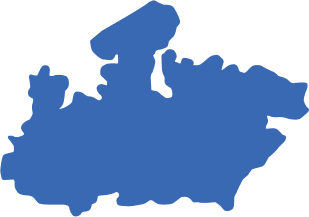
Madhya Pradesh
1,413

West Bengal
1,092

Haryana
751

Bihar
523
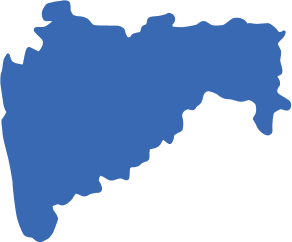
Maharashtra
510

1,04,386
Food Distribution Records

18,720
Farmer Beneficiary Records

2,949
Voters List

81
Govertment Farmers Benificary List
The information provided has been gathered from various sources and may have errors or discrepancies.
If you notice any inaccuracies, please let us know at support@imeuswe.in

