
Ananta Singh Family Tree
Ananta Singh - A Lifestory
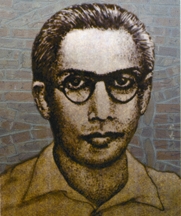
Ananta Singh was a prominent figure in the Indian independence movement, particularly known for his revolutionary activities in Bengal during the early 20th century. He emerged as a key leader of the Chittagong group, a revolutionary organization that aimed to overthrow British rule through armed struggle. Singh's early life was marked by a growing resentment towards colonial oppression, which fueled his commitment to the cause of Indian independence. He actively participated in various nationalist activities, gradually becoming a central figure in the revolutionary circles of Chittagong.
His most significant contribution was his involvement in the Chittagong Armoury Raid of 1930. Along with other revolutionaries, he planned and executed a daring raid on the police armoury and the auxiliary forces armoury in Chittagong. The objective was to seize weapons and ammunition to initiate an armed uprising against the British government. While the raid itself was successful in acquiring arms, the revolutionaries were ultimately unable to sustain their rebellion due to the overwhelming response from British forces. Following the raid, Singh went underground, evading arrest for several years.
Eventually, he was apprehended and faced trial for his role in the Chittagong Armoury Raid. He was convicted and sentenced to life imprisonment. During his time in prison, Singh remained steadfast in his beliefs and continued to inspire other inmates with his revolutionary zeal. After India gained independence in 1947, he was released from prison and dedicated the remainder of his life to social work and community development. Ananta Singh's contribution to the freedom struggle is remembered as a testament to the unwavering spirit of Indian revolutionaries who fought for independence from British rule.
Family and Early Years
Personal Details
- 🎂 Date of Birth
- 01 December 1903
- 🌍 Place of Birth
- Chittagong British India.
Early Career
- 🚩 Early Revolutionary Stirrings
- Ananta Singh's journey began with a fervent dedication to India's independence movement quickly establishing him as a prominent figure in revolutionary circles.
- 🛤️ Joining the Independence Movement
- Ananta Singh became deeply involved in the Indian independence movement aligning himself with revolutionary groups aiming to overthrow British rule. He was notably associated with the Chittagong group, a militant organization known for its audacious actions against the British colonial government.
- 💥 The Chittagong Armoury Raid
- Ananta Singh's first major contribution was his pivotal role in the Chittagong Armoury Raid in 1930. This daring operation aimed to seize weapons and ammunition from the British armoury to arm revolutionaries and disrupt colonial rule. The raid though ultimately unsuccessful in its long-term goals, sent shockwaves through British India and solidified Ananta Singh's reputation as a fearless revolutionary.
- 🚧 Overcoming Obstacles
- Establishing himself in the revolutionary movement was fraught with challenges. Operating underground evading capture by British authorities, and securing resources for their activities posed constant threats. The Chittagong Armoury Raid, while demonstrating their commitment, also led to increased surveillance and persecution of the revolutionaries, forcing Ananta Singh and his comrades to constantly adapt and fight for their survival.
A Journey of Recognition
Career Journey
- A revolutionary freedom fighter Ananta Singh ignited India's independence movement through daring acts of defiance and unwavering commitment to liberation.
- 💥 Early Revolutionary Activities
- After joining the revolutionary movement Ananta Singh quickly rose to prominence due to his courage and organizational skills. He played a key role in planning and executing armed resistance against British authorities, including the Chittagong Armoury Raid.
- 🔥 The Chittagong Armoury Raid (1930)
- Singh was a leading figure in the daring Chittagong Armoury Raid a pivotal event where revolutionaries stormed the police armoury, disrupting British administration and inspiring widespread rebellion. This bold act showcased his strategic acumen and leadership, marking him as a key figure in the fight for independence.
- ⛓️ Imprisonment and Continued Advocacy
- Following the raid Ananta Singh was arrested and sentenced to life imprisonment. However, even behind bars, he remained a symbol of resistance, inspiring fellow prisoners and continuing to advocate for India's freedom. His unwavering spirit and commitment to the cause solidified his place as a national hero.
- 🕊️ Later Life and Legacy
- After his release from prison Ananta Singh dedicated his life to social work and promoting peace. His revolutionary past and subsequent commitment to non-violent means served as an inspiration to many, leaving a lasting legacy of courage, sacrifice, and dedication to the ideals of freedom and social justice.
Achievements and Milestones
- Here's a list of awards received by Ananta Singh:
- 🏆 Title of Sardar (Leader)
- ● Conferred by the people of Chittagong.
Additional Highlights
Contributions
- Based on the information available here's a summary of Ananta Singh's contributions:
- 🚩 Revolutionary Leadership
- ● Led the Chittagong armoury raid in 1930 a daring attack on British police and auxiliary forces armouries.
- ● Organized and inspired fellow revolutionaries demonstrating strategic planning and courage.
- ● Played a key role in the Indian independence movement challenging British authority through armed resistance.
- ⚖️ Anti-Imperialism Activism
- ● Actively fought against British colonial rule in India.
- ● Participated in various revolutionary activities aimed at weakening the British administration.
- ● Inspired others to join the fight for independence.
- 🕊️ Later Life Advocacy
- ● Post-independence renounced violence and embraced a peaceful life.
- ● Dedicated himself to social work and community upliftment.
- ● Worked towards promoting peace and harmony in society.
Death
- Ananta Singh passed away on 25 January 1979.
Disclaimer
The information provided has been gathered from various sources and may have errors or discrepancies.
If you notice any inaccuracies, please let us know at admin-support@imeuswe.in


