History:
The surname Jhakar belongs to a wider group of Indian family names that grew out of farming communities, clan systems, and local place names found across the northern plains of the country. Like many surnames from this part of India, Jhakar did not begin as a fixed, written family name in the way we understand surnames today. Instead, it started as a clan identifier, used by groups of related families to mark their shared ancestry, land, and standing within a larger network of kinship groups. Over time, as record keeping and administration became more formal under various ruling powers, these clan names were written down, passed through generations, and eventually became permanent surnames. Jhakar, along with close variants such as Jhakkar, Jhakhar, and Jakhar, fits this pattern closely, and all these spellings are believed to stem from the same root word and the same clan tradition.
Looking at the roots of the name, Jhakar appears to be linked to older words used in the regional dialects of Punjab, Haryana, and Rajasthan, areas where land, farming, and clan loyalty shaped how families identified themselves. In many cases, surnames from this region were drawn from a founding ancestor, a notable event, a piece of land, or even a feature of nature that was tied to a particular family line. Because written records from centuries past are limited, it is difficult to point to one single moment when the name Jhakar first appeared. What can be said with more confidence is that the name grew out of oral tradition first, passed down through storytelling and memory within families, long before it was written into any official document.
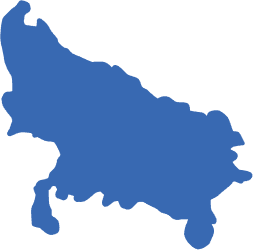
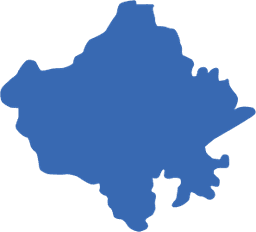
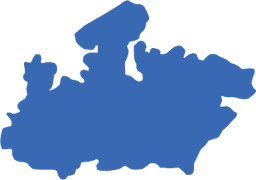
The spread of the Jhakar surname across India follows a pattern that is common among many northern Indian clans. Families carrying the name are believed to have originally settled in a core area, most likely within present day Punjab, Haryana, or parts of Rajasthan, where farming communities built strong local networks based on shared land and shared ancestry. As generations passed, branches of the same family moved outward in search of fresh land, better opportunities, or simply to follow family alliances through marriage. This kind of gradual movement, spreading out slowly from one region to neighbouring areas, is how many surnames travelled across the wider northern and western parts of the country. It also explains why the Jhakar name, along with its close spelling variants like Jhakhar and Jakhar, can be found today across a fairly wide stretch of land rather than being limited to just one small area.
Migration within India over the centuries was rarely a single dramatic journey. Instead, it tended to happen slowly, across many decades and even centuries, as families followed rivers, trade routes, and fertile farmland. For farming clans in particular, movement was often tied to the health of the land itself. When soil became less fertile, or when political changes disturbed settled life, families would move to new areas that offered better prospects. This slow drift of population is a major reason why surnames such as Jhakar are found scattered across several states today rather than being tightly packed into one single district or town. Each time a family branch settled in a new place, it carried the Jhakar name with it, planting the same identity in new soil while still holding on to a sense of connection with the original homeland.
From a language point of view, the name Jhakar sits comfortably within a group of Indian surnames that have a strong, slightly forceful sound to them, a feature common among many clan names from the Punjab and Haryana belt. Words in regional Indian languages often carried meaning tied to strength, land, weather, or nature, and many old surnames grew from such descriptive words rather than from personal names alone. While the exact original meaning of Jhakar is not fixed in any single historical text, its sound and structure place it firmly within this older naming tradition, alongside other well known clan names from the same region. The slight differences in spelling, such as Jhakar, Jhakkar, and Jhakhar, likely come from differences in local pronunciation and from how different scribes and officials chose to write the name down when it was first recorded in official papers, rather than from any real difference in origin. This is a very common feature of Indian surnames generally, where one spoken name can end up with several written forms depending on the region, the era, and the person doing the writing. Even the form Zakhar, which looks quite different on paper, is simply another attempt to capture the same sound using different letters, showing just how much spelling could vary while the spoken name itself stayed largely the same across generations of Jhakar families.
Description:
The surname Jhakar belongs to the Jat community, a group known across northern India for its deep ties to farming, land and rural life. People carrying the Jhakar surname today follow either the Sikh or Hindu faith, which shows how this one family name has grown branches across two religious traditions over time. This is quite common among Jat surnames, since many Jat clans trace back to shared ancestors and regional roots long before the religious divisions of Sikhism and Hinduism became more defined. The Jhakar name would have passed down through generations within these communities, carried by families who settled and farmed the land, built villages, and formed close-knit social networks bound by kinship and shared customs.
The Jat community itself has a long and layered history in India, with roots going back many centuries in the northern plains, particularly across Punjab, Haryana, Rajasthan and parts of western Uttar Pradesh. Jats have traditionally been associated with agriculture, cattle rearing and land ownership, and their social structure often revolves around clans, of which Jhakar is one. Clan identity among Jats carries real weight, shaping marriage customs, social standing and even how land and resources were historically shared within villages. Surnames like Jhakar would have served as a marker of lineage, helping people identify their clan, their place of origin and their extended family network, which mattered a great deal in village-based societies where kinship ties often decided social and economic matters.
Interestingly, the mother tongue and script linked with the Jhakar surname is Marathi, which points to a Maharashtra connection for at least some families carrying this name. This is a reminder that Jat clans and surnames are not confined to just one state or region. While the larger Jat community is strongly linked with Punjab, Haryana and Rajasthan, migration and settlement over centuries have carried Jat families into other parts of India too, including Maharashtra. Marathi is written in the Devanagari script and is one of the oldest and richest languages in India, with a literary tradition stretching back many hundreds of years. Families who speak Marathi and carry the Jhakar surname would have grown up with the rhythms, poetry and everyday expressions of this language shaping their home life, their festivals and their sense of identity. The presence of Marathi as a mother tongue among some Jhakar families also shows how surnames can travel far from their original heartland, adapting to new regions, languages and local customs while still holding onto the family name that connects them to their wider clan.
Communities linked to the Jat identity, whether Sikh or Hindu, share a number of cultural traditions that are closely tied to the farming calendar and the changing seasons. Festivals such as Baisakhi hold huge importance, especially for Sikh Jat families, marking the harvest season and also carrying deep religious meaning tied to the founding of the Khalsa. Hindu Jat families often celebrate festivals like Holi, Diwali and Teej, each one bringing its own customs, songs and family gatherings. Food traditions among Jat communities tend to be simple, hearty and rooted in what the land provides, with dishes built around wheat, maize, dairy and seasonal vegetables. Classic foods such as makki ki roti, sarson ka saag, bajra khichdi, lassi and various preparations of ghee and milk are commonly enjoyed, reflecting a farming lifestyle where fresh, home grown produce formed the backbone of daily meals. These food and festival traditions, while shared broadly across Jat communities, often carry small regional twists depending on whether a family settled in Punjab, Haryana, Rajasthan or elsewhere, including those Jhakar families who may have grown up with Marathi influences blending into their food and celebration customs.
Over time, the Jhakar surname has likely seen small changes in spelling and pronunciation, which is extremely common among Indian surnames that have passed through generations, regions and different transliteration habits from local languages into English. Variations such as Jakhar, Jakhad or Jhakhar may appear in records, documents or casual usage, often depending on regional accents or how officials recorded the name during census collections, land records or school enrolments. These small shifts in spelling do not change the identity or heritage behind the name, but they do show how oral traditions and regional dialects have shaped the way the Jhakar surname looks and sounds in different parts of India. Anyone researching their own Jhakar family history might find relatives listed under slightly different spellings in old documents, which is simply part of how surnames evolve naturally across time and geography, without taking away from the strong clan identity and sense of belonging that the name continues to carry for the families who hold it today.