History:
The name Pritha carries a gentle beauty that comes straight from the old Sanskrit language, one of the oldest languages in India and the root of many names still used today. Pritha is not really a surname in the way that family names like Sharma or Gupta are. It began life as a given name, and over time, in certain families and regions, it was carried forward and used as a family identifier too. The word Pritha itself is linked to ideas of broadness, generosity, and the earth, and in ancient texts it appears as another name for Kunti, the mother of the Pandavas in the Mahabharata. This connection to one of the most well known figures in Indian epic literature gives Pritha a sense of depth and dignity that has lasted for thousands of years. When a name is tied to such an old and respected story, it naturally gets passed down through generations, sometimes as a first name and sometimes evolving into a family name, which is likely how Pritha found its way into use as a surname in some households.
Looking at the historical roots of Pritha, we have to go back to the way Sanskrit names worked in ancient India. Names were rarely picked just because they sounded nice. They were chosen because they meant something, often tied to nature, virtue, or a respected ancestor or deity. Pritha fits this pattern perfectly. It comes from a root word suggesting something wide or spread out, which was then poetically connected to the earth itself, since the earth is wide and giving. Over centuries, as Sanskrit gave way to regional languages and dialects across India, many old Sanskrit names stayed in use, sometimes changing slightly in sound or spelling depending on the region. This is a big part of why we see variations like Preetha, Prita, Preeta, and Prithaa appearing in different parts of the country. These are not entirely different names, but rather the same root name shaped by local pronunciation and writing habits over hundreds of years.
The ancient references to Pritha, mainly through its link to Kunti in the Mahabharata, mean the name has been known and spoken in India for a very long time, likely for well over two thousand years given how old the epic itself is believed to be. Names connected to the Mahabharata and the Ramayana have always held a special place in Indian naming traditions because these stories were shared orally for generations before they were written down, and they travelled with people as they moved across the subcontinent. A name like Pritha would have spread not through formal records or documents in the early days, but through storytelling, family tradition, and the simple act of parents choosing a meaningful name for a daughter and passing on a piece of that ancient story with it. This oral spread across such a long stretch of time is one of the quiet but powerful ways old Sanskrit names like Pritha managed to survive into the modern age.
When we think about migration and settlement patterns connected to a name like Pritha, it helps to remember that India has seen constant movement of people for thousands of years, whether for trade, farming, marriage, or simply seeking better land and opportunities. Names travelled along with these movements. A name rooted in Sanskrit and connected to a well known epic story would not have stayed confined to just one village or region. Families carrying the name, or a version of it, would have moved from river valleys to newer settlements, from courts and temple towns to smaller villages, carrying their naming traditions with them. Over time, as regional kingdoms rose and fell across India, and as different areas developed their own spoken languages drawing from Sanskrit, the name Pritha would have naturally picked up slightly different forms in different places. This is a common pattern across Indian naming history, where one root name ends up with several cousins in spelling and sound, all tracing back to the same original word and meaning.
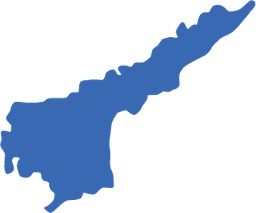
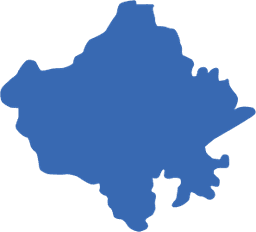
As for how the surname spread across regions of India, it is fair to say that Sanskrit based names connected to epic literature were never limited to just one state or area. Because the Mahabharata was known and recited across the length and breadth of India, from the north down to the southern tip, names tied to its characters found homes in many different linguistic communities. This is part of why spellings such as Preetha and Preeta tend to show up more in southern parts of the country, where the sound of the language naturally shapes words with softer vowel endings, while forms like Prita and Pritha itself are seen more commonly in northern and eastern regions where Sanskrit influence on everyday language remained quite direct for longer. The linguistic and etymological background of Pritha, then, is really a story of one strong, meaningful root word travelling across a huge and varied country, being shaped gently by each region it settled in, yet never losing the thread that ties it back to its ancient Sanskrit origin and its old, respected place in Indian storytelling.
Description:
The surname Pritha carries a gentle, poetic quality that sets it apart from many other Indian family names. This connection gives the surname Pritha a sense of warmth and dignity, as it echoes a figure remembered for her strength, patience, and devotion to her family. Families carrying the surname Pritha often take quiet pride in this link to one of the most respected women in Indian mythology, and the name continues to be passed down through generations as a mark of heritage and identity.
Those who bear the surname Pritha follow the Hindu religion, and their lives are shaped by the customs, values, and spiritual practices that are part of Hindu tradition across India. Within Hindu society, families are often grouped by gotra, which is a way of tracing lineage back to a common ancestor, usually a sage from ancient times. The Pritha surname is associated with several gotras, namely Aatreya, Dadhich, Kasyapa, Maandavya, and Raghu. Each of these gotras carries its own story and background. Aatreya is linked to the sage Atri, one of the most revered seers in Hindu tradition and a figure mentioned frequently in ancient texts. Dadhich takes its name from the sage Dadhichi, known for his selfless sacrifice for the greater good. Kasyapa traces back to the sage Kashyapa, considered one of the seven great sages or Saptarishi in Hindu belief. Maandavya is connected to the sage Mandavya, respected for his wisdom and patience. Raghu is tied to the ancient and celebrated lineage of King Raghu, an ancestor figure in the solar dynasty mentioned in Hindu scriptures. Having multiple gotras associated with one surname shows how families with the name Pritha may have spread across different regions and branches over time, each carrying forward their own particular ancestral line while still sharing the common surname.
Alongside gotra, many Hindu families also honour a kuldevta, or family deity, who is worshipped as a guardian and protector of the household and its future generations. For the Pritha surname, the kuldevtas recognised are Bhavani, Kali, and Venkateshwara. Bhavani is a form of the Mother Goddess, often worshipped as a symbol of power, protection, and motherly care. Kali is another powerful form of the Goddess, known for her fierce strength and her role in removing evil and darkness from the world. Venkateshwara is a name for Lord Vishnu as worshipped at the famous Tirumala temple, and is especially dear to families with roots connected to South India. The presence of these three kuldevtas suggests that families with the surname Pritha may have ties spreading across different parts of the country, with some households leaning towards Goddess worship through Bhavani and Kali, while others hold devotion to Lord Venkateshwara close to their hearts. These family deities are often worshipped during important life events such as weddings, housewarmings, and childbirth, and many families maintain the tradition of visiting their kuldevta's temple at least once in a lifetime as a mark of respect and gratitude.
Hindu festivals form a big part of life for families carrying the surname Pritha, just as they do for Hindu households across India. Festivals such as Diwali, the festival of lights, bring families together to celebrate the victory of good over evil, with homes lit up with lamps and decorated with rangoli patterns. Navratri, a nine night festival dedicated to the Goddess, holds special meaning for families connected to Bhavani and Kali, with fasting, prayer, and dance forming part of the celebrations. Makar Sankranti and Pongal mark the harvest season in different parts of India, bringing communities together to give thanks for a good crop and to share traditional sweets made from sesame and jaggery. For families with ties to South Indian traditions through Venkateshwara worship, temple visits and special prayers during festivals like Brahmotsavam carry deep significance. Traditional foods also play their part in these celebrations, with dishes varying from region to region but often including rice based sweets, lentil preparations, and seasonal vegetables cooked with simple spices that have been passed down through generations of home cooking.
The surname Pritha itself may appear with small changes in spelling depending on region, dialect, or personal preference, such as Preetha, Pritha, or Preeta, though the sound and meaning behind the name remain closely connected. These small variations are common across Indian surnames, as different languages and scripts can shape how a name is written or pronounced while keeping its original spirit intact. Whether written as Pritha or in a slightly different form, the name continues to carry forward its link to strength, grace, and ancestral memory. Families who carry this surname, wherever they may now live across India or beyond, often find a sense of connection and pride in a name that stretches back to the stories and sages of ancient Hindu tradition, making Pritha a surname that feels both personal and deeply rooted in history.