History:
The surname Tekuri belongs to a group of Indian family names that carry within them the story of language, land, and the people who have carried the name forward through many generations. Tekuri is most commonly found among Telugu-speaking families, and the structure of the word itself points towards South Indian linguistic roots, where surnames often grew out of place names, occupations, or descriptive words that were passed down and gradually settled into fixed family names. In many South Indian traditions, especially across the Telugu-speaking regions, surnames were not always planned or chosen for a specific meaning but rather evolved naturally from the village, region, or distinguishing feature associated with a family. Tekuri fits this pattern well, as its sound and structure are typical of surnames that have grown out of older forms of spoken Telugu, shaped over time by local pronunciation and everyday use. Variations such as Thekuri, Tekoori, Tekury, and Tekhuri show how the same family name could be written or spoken slightly differently depending on the region, the dialect, or even the preference of the person recording it in official documents during different periods of history.
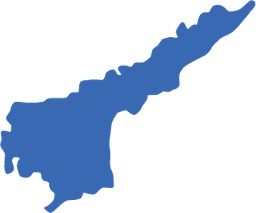
Looking at the historical roots of Tekuri, it helps to understand how surnames developed in India more generally. For most of India's early history, people were identified mainly by their given name, their father's name, or their village. Fixed family surnames, in the way we understand them today, became more common over the centuries as communities grew larger, as land and property needed to be recorded, and as administrative systems required clearer ways of identifying families across generations. This was especially true in the Telugu-speaking areas of what is now Andhra Pradesh and Telangana, where surnames often carried traces of geography, farming life, or local landmarks. Tekuri likely followed this same path, slowly forming as a way for a family or group of related families to be told apart from others living nearby. Over time, as the name was used again and again in local records, in land documents, and in everyday conversation, it became fixed as a proper surname rather than just a passing description.
Ancient references to specific small surnames like Tekuri are rare, simply because most early Indian records focused on kings, kingdoms, temples, and major events rather than on ordinary family names. However, this does not mean the roots of Tekuri are any less genuine. Many Telugu surnames that exist today trace their beginnings back hundreds of years, growing quietly within villages and farming communities long before anyone thought to write them down in detail. The Telugu-speaking lands have a long and layered history, shaped by various ruling dynasties, local chieftains, and shifting borders over the centuries. Families carrying names like Tekuri would have lived through these changes, adapting their language, their records, and sometimes even the spelling of their own name, while still holding on to the core identity that the surname represented within their community.
Migration and settlement patterns also help explain how the surname Tekuri came to be found in different parts of India today. Like many Telugu surnames, Tekuri would have started in a fairly concentrated area, most likely within present-day Andhra Pradesh or Telangana, before spreading outward as families moved in search of better land, work, or opportunities. Agricultural life played a major part in this movement, as farming families often shifted from one village to another depending on the availability of fertile land, water sources, or local trade routes. Over generations, branches of the same Tekuri family may have settled in neighbouring districts, and later in nearby states, carrying the name with them wherever they built their new homes. This slow, steady spread is typical of how many regional Indian surnames moved beyond their original birthplace, not through one single dramatic event, but through small, repeated steps taken by different generations seeking a better life.
In more recent history, broader patterns of movement within India have carried the Tekuri surname even further. The growth of towns and cities, improvements in transport, and the search for education and employment have all encouraged families to move away from their ancestral villages. Members of the Tekuri family, like countless other Telugu families, would have taken part in this wider shift from rural to urban living, settling in cities within Andhra Pradesh and Telangana, and in some cases moving to other parts of India altogether. Each move added a new chapter to the surname's journey, while the name itself remained a steady link back to its Telugu origins. Even as spellings shifted slightly in official records, from Tekuri to Thekuri or Tekoori, the underlying identity stayed connected to the same linguistic and regional roots. In this way, the history of the Tekuri surname reflects a much larger and familiar Indian story, one of a name born from language and land, carried forward quietly through ordinary family life, and spread gradually across the country through the natural movement of people over time.
Description:
The Tekuri surname belongs to the Thogata community, a Hindu group with deep roots in the Telugu speaking regions of South India. People carrying the Tekuri surname are found largely in Andhra Pradesh and Telangana, though families have also settled in parts of Karnataka and Tamil Nadu over the generations. The Thogata community has traditionally been associated with weaving and textile work, and this craft forms a strong part of the identity connected with the Tekuri name. Telugu is the mother tongue of the Tekuri family, and it is written in the Telugu script, one of the oldest and most expressive scripts in India, known for its rounded letters and smooth flow. Within the Thogata community, the Tekuri surname is one among many family names that help distinguish different lineages while still sharing a common cultural and social background. The sense of community is strong among Thogata families, with shared customs, language, and social ties binding them together regardless of which part of the Telugu speaking world they call home.
Gotra plays an important part in understanding the background of the Tekuri surname. Families with the Tekuri surname are linked to several gotras, including Kamalaja, Angira, Danoli, Kashyapa, Maddinolla, and Rebaala. A gotra is a way of tracing lineage back to a common ancestor, usually a sage or a respected figure from ancient times, and it plays a big role in matters like marriage, where people are generally expected to marry outside their own gotra. Each of these gotras carries its own story and sense of pride within the Tekuri family tree, and knowing one's gotra is often seen as a way of staying connected to one's roots and ancestry. This tradition of gotra has been passed down through many generations among Tekuri families, and it continues to matter during religious ceremonies, weddings, and other important family occasions, where the gotra name is often recited as part of the rituals.
Alongside gotra, the Tekuri family holds certain deities close to their hearts as kuldevta, or family gods. Bhavani, Khandoba, and Tirupati Balaji are the main family deities worshipped by those bearing the Tekuri surname. Bhavani is widely worshipped across many communities in South India as a powerful mother goddess, often linked with strength, protection, and courage. Khandoba is a much loved deity in the Deccan region, especially popular among communities with ties to Maharashtra and parts of Karnataka and Andhra Pradesh, and he is often seen as a guardian figure who watches over families and their wellbeing. Tirupati Balaji, the deity of the famous hill shrine in Andhra Pradesh, holds a special place for many Telugu families, including those with the Tekuri surname, and a visit to this temple is often considered one of the most meaningful journeys a devotee can make. Worship of these three deities forms a central part of religious life for Tekuri families, with prayers, visits to temples, and family rituals often built around honouring Bhavani, Khandoba, and Tirupati Balaji together.
Food and festivals bring warmth and colour to the life of any community, and the Thogata families connected to the Tekuri surname follow many of the wider Telugu traditions when it comes to celebrations. Festivals such as Ugadi, which marks the Telugu new year, and Sankranti, the harvest festival, are celebrated with great joy, featuring special sweets, rangoli patterns at the doorstep, and family gatherings. Dasara and Diwali are also celebrated widely, often with visits to temples dedicated to the family deities such as Bhavani and Khandoba, along with the lighting of lamps and sharing of festive meals. Traditional Telugu food plays a big role during these celebrations, with dishes like pulihora, a tangy tamarind rice, and payasam, a sweet milk based dessert, being common at festive tables. Simple everyday meals among Telugu households connected to the Tekuri name often include rice, sambar, and spicy pickles, reflecting the agricultural and rural background shared by many families in this community. These shared food habits and festival customs help keep families bonded even as members move to different cities or countries in search of work and better opportunities.
The Tekuri surname, like many Indian surnames, shows small changes in spelling and sound depending on region, local dialect, or how it has been written over time in official documents. Some people may come across the name written as Thekuri or Tekuri with slightly different pronunciation emphasis, though the root and meaning remain the same across these variations. Such small shifts in spelling are common across Telugu surnames in general, often happening simply because of how the sound is transcribed into English letters by different officials, teachers, or family record keepers over the years. Despite these small differences, the sense of identity tied to the Tekuri surname remains strong and consistent among those who carry it, connecting them to their gotra, their family deities, and their wider Thogata community heritage within the broader Telugu speaking world of South India.