Diwali is a time when homes across India glow with rows of diyas, families gather for Lakshmi Puja, and prayers are offered for prosperity and well-being. Yet, in many Hindu households, another deity is remembered before the Goddess Lakshmi is worshipped.
The first lamp may be lit for the family's kuldevta or kuldevi.
For generations, the name of the family deity has travelled quietly through families, passed from grandparents to parents and from one generation to the next. For some, the tradition remains an important part of every wedding, festival and auspicious occasion. For others, especially younger generations living away from their ancestral homes, the name of their kuldevta may have become a forgotten piece of family history.
This Diwali, before beginning Lakshmi Puja, it may be worth asking a simple question: Who is our family deity?
What Is a Kuldevta or Kuldevi?
A kuldevta or kuldevi is the deity traditionally worshipped by a particular family, lineage or clan over generations. The word kul refers to family or lineage, while devta and devi mean deity and goddess.
Unlike deities worshipped universally by millions of people, a kuldevta has a more personal connection with a family's history and traditions. The family may have worshipped the same deity for generations and may also share a connection with a particular temple or sacred place.
The tradition varies considerably across India.
In some families, the kuldevta is remembered before a wedding or another important ceremony. In others, the family makes regular visits to the deity's temple. Some families may have a small image or sacred symbol representing their kuldevta at home, while others honour the deity primarily when they visit their ancestral place.
There is no single practice followed by every Hindu family. Customs can differ according to region, community and family tradition.
Why Is the Kuldevta Remembered Before Auspicious Occasions?
For many families, worship of the kuldevta is closely connected with important moments in life.
A wedding, the birth of a child, a housewarming ceremony or another significant beginning may be marked by remembering the family deity and seeking blessings.
The idea is deeply connected with continuity.
A family may move from its ancestral village to a city, from one state to another or even to another country. Homes and lifestyles may change, but the memory of a family deity can continue to connect generations with their shared past.
This is why the kuldevta is not simply another deity in a family's religious practice. The deity represents a tradition that belongs to the family's own history.
Before praying for what lies ahead, many families first remember what has brought them to the present.
Kuldevta Traditions Across India
The practice of honouring a family deity takes different forms in different parts of India.
In Maharashtra, the tradition of the kuldevta or kuldevi remains closely connected with family ceremonies and ancestral traditions. Families may identify strongly with deities such as Tulja Bhavani, Khandoba, Mahalakshmi, Ekvira or Renuka Devi, depending on their lineage and region.
Tulja Bhavani of Tuljapur, for example, is especially significant to many Maharashtrian families. Popular tradition also connects the goddess with Chhatrapati Shivaji Maharaj and the famous story of the Bhavani Talwar.
In Gujarat and Rajasthan, many families have long-standing connections with particular goddesses and temples associated with their communities and ancestral regions. The name of the family deity may even appear prominently on traditional wedding invitations.
In Tamil Nadu, the concept of kula deivam remains an important part of family tradition. Extended families often travel to their ancestral deity's temple, sometimes gathering together for an annual visit.
Similar traditions exist throughout India, although the names, rituals and customs vary. The important point is that a kuldevta is not defined by one uniform method of worship. It is a living family tradition, shaped by generations.
The Connection Between a Kuldevta and Family History
One of the most meaningful aspects of a kuldevta tradition is its connection with place.
A family deity may be associated with a temple located in the family's ancestral village, district or region. Even when descendants move away, the temple remains part of the family's story.
This can become particularly meaningful for families living far from their ancestral homes.
Over time, a family may lose touch with its village. Children may grow up in a different city, speak another language or have little opportunity to visit the places their grandparents knew. Yet a temple, a deity's name or an annual family visit can preserve a connection that might otherwise slowly disappear.
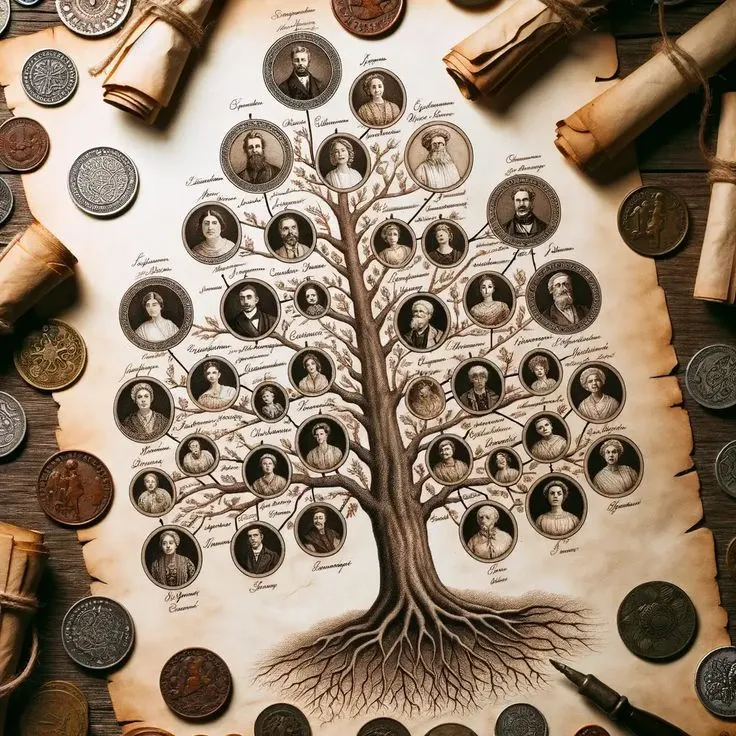
For this reason, asking about a kuldevta can often lead to other family stories.
- Where is the temple?
- Who used to take the family there?
- What festivals were celebrated?
- Was there a family vow or tradition connected with the deity?
These questions can reveal memories that are rarely written down but remain important parts of a family's heritage.
The Story of Kheer Bhawani and Kashmiri Pandit Families
For Kashmiri Pandits, Mata Ragnya Devi, also known as Kheer Bhawani, holds deep religious and cultural importance.
The temple at Tulmul is associated with a sacred spring and remains an important place of pilgrimage for Kashmiri Pandit families. Despite the displacement and migration experienced by many members of the community, the connection with the deity and the temple continues to hold profound meaning.
Families may now live in Jammu, Delhi, Pune, Mumbai or countries across the world, but religious journeys and memories associated with the ancestral homeland continue to bring people back to shared traditions.
This reflects something important about family deities. A family can become geographically scattered, but certain traditions remain points of connection. The deity's name, the temple and the stories surrounding them can continue to link generations.
Why Remember Your Kuldevta Before Lakshmi Puja?
Honouring the family deity does not always require an elaborate ceremony. If this is part of your family's tradition, you can begin the evening by gathering the family together and remembering your kuldevta or kuldevi.
If your family has an image of the deity, it can be placed respectfully at the place of worship. Different families may have their own traditional ways of representing or remembering their family deity.
The moment can also become an opportunity to preserve family knowledge.
Ask the eldest members of the family:
- What is the name of our kuldevta or kuldevi?
- Where is the main temple located?
- Which side of the family does the tradition come from?
- When did the family traditionally visit the temple?
- Are there any stories, vows or memories associated with the deity?
Encourage someone to write down the answers. A few minutes spent recording these details can help preserve information that might otherwise disappear with time.
After remembering the kuldevta according to your family's custom, you can continue with Lakshmi Puja.
What If Nobody Knows Your Family's Kuldevta?
This situation is more common than many people realise.
As families move away from ancestral towns and traditional joint-family structures become less common, knowledge that was once passed naturally from one generation to another can be forgotten.
There are several places to begin your search.
Speak to the Oldest Members of the Family
Grandparents, older aunts, uncles and other senior relatives may remember details that younger generations have never heard.
It can be useful to ask relatives from both sides of the family, as different branches may have their own traditions and histories.
Look at Old Family Documents
Traditional wedding invitations, family records and religious documents may contain the name of a kuldevi or kuldevta.
Old photographs from temple visits can also provide valuable clues.
Contact the Family Purohit
Some families have long-standing relationships with a family purohit who may know about the family's religious traditions and ancestral connections.
Ask About Your Ancestral Village
Relatives from the ancestral village may know which temple the family traditionally visited or which deity was associated with a particular lineage or community.
However, it is important not to assume that every family sharing the same surname has the same kuldevta. Surnames can be shared across different regions, communities and family branches. Family-specific information should always be checked with elders or reliable traditional sources where possible.
Remembering Both Sides of the Family
Marriage can bring together two different family traditions.
In many Hindu communities, a woman becomes part of her husband's family traditions after marriage and may participate in the worship of her husband's kuldevta. At the same time, the kuldevi or kuldevta associated with her parents' home can remain an important part of her personal and family heritage.
Different communities follow different customs, so there is no single rule that applies everywhere.
Diwali can be a meaningful occasion to remember the traditions and deities associated with both sides of the family.
A Simple Kuldevta Lamp Ritual for Diwali Evening
It does not need a priest or a long vidhi. It simply needs the family together.
Before Lakshmi Puja begins, gather everyone, especially the youngest and the oldest.
Light one diya in front of your kuldevta's or kuldevi's image, if your family traditionally does so. If your family uses another sacred symbol or method of remembrance, follow that custom.
Say the kuldevta's name aloud and ask the eldest person present to share one family story, whether it is about the temple, a family visit or a tradition associated with the deity.
Let a child or another family member write it down: the deity's name, the temple and its location, along with the story and the name of the person who shared it.
Then continue with Lakshmi Puja according to your family's tradition, including the recitation of the Shri Sukta if that is customary in your home.
Five minutes. One lamp. And a family memory that can now be preserved for the generations to come.
Preserve the Tradition This Diwali
This Diwali, take a moment to ask about your family's kuldevta or kuldevi. Learn the name, find out about the temple and listen to the stories that older members of your family remember.
Traditions survive when they are passed from one generation to another. Sometimes, preserving a family's history can begin with something as simple as lighting a diya and asking one question.
Frequently Asked Questions About Kuldevta
- What is a Kuldevta?
A kuldevta or kuldevi is a deity traditionally worshipped by a particular family or lineage over generations. The tradition may be connected with a specific ancestral temple or region.
- Should the Kuldevta be worshipped before Lakshmi Puja?
Many families follow the tradition of remembering their kuldevta before an auspicious ceremony, including Lakshmi Puja. However, customs vary, so it is best to follow your family's own tradition.
- How can I find my Kuldevi if nobody remembers?
Start by speaking to the oldest relatives in the family. Old wedding cards, family documents, the family purohit and people from the ancestral village may also provide useful information.
- Does every Hindu family have a Kuldevta?
Many Hindu families follow a kuldevta or kuldevi tradition, but practices differ significantly between regions, communities and individual families.
- When is Diwali in 2026?
Diwali, Lakshmi Puja falls on Sunday, 8 November 2026. Check the exact muhurat for your city on the iMeUsWe Panchang.